

Andorra Military Power Ranking 2026
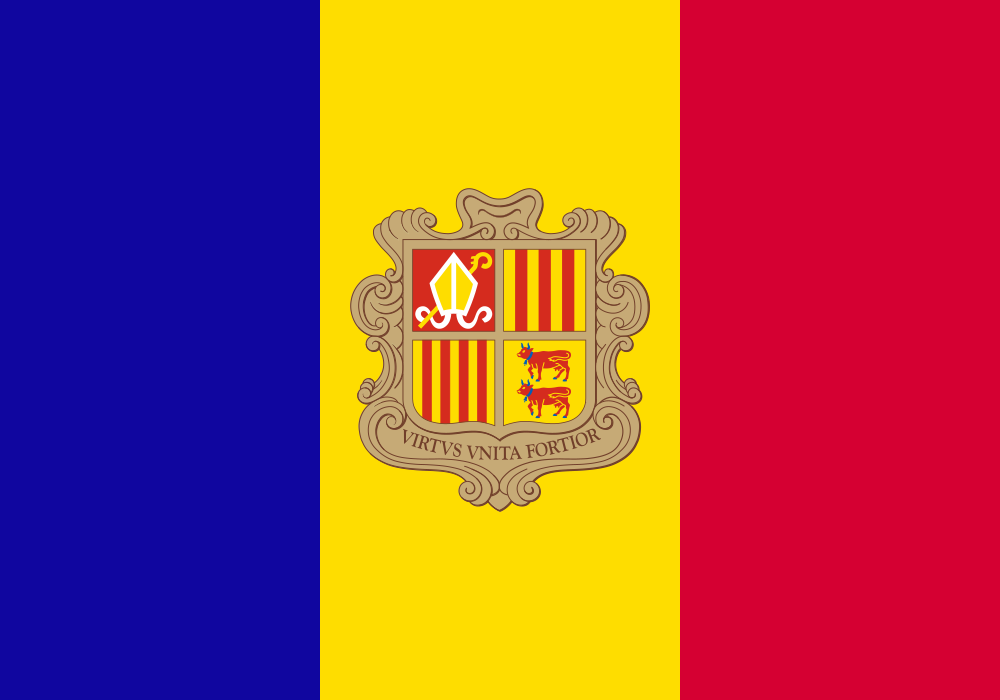
Andorra ranks 194th in the 2026 Military Power Rankings. This small, landlocked principality in the Pyrenees between France and Spain does not maintain a standing military force.
Its defense is guaranteed by long-standing arrangements with France and Spain, while internal security responsibilities fall to the Andorran Police Corps and the historical Sometent tradition.
MPR Overview
Andorra ranks 194th in the 2026 Military Power Rankings. This small, landlocked principality in the Pyrenees mountains between France and Spain does not maintain a standing military force.
Instead, its defense is guaranteed by the 1993 tripartite treaty with France and Spain. Andorra's security responsibilities fall to the Andorran Police Corps and the historical Sometent citizen-militia tradition; neither constitutes a standing field army.
The country's neutral status, peaceful geography, and reliance on external defense partnerships have enabled it to pursue a national security policy centered on law enforcement, internal stability, and non-alignment in international military affairs.
Strategic Geography Schematic
- Andorra la Vella
- police command
- France support
- Spain support
- Pyrenees barrier
- mountain valleys
- border control route
- landlocked security zone
- neutral microstate
- Border security route
- France / Spain defense link
- Police command node
Core MPR Strengths
Defense Guarantees from France and Spain
Andorra's defense is protected by arrangements that allow France and Spain to safeguard its sovereignty in the event of external aggression.
Stable Internal Security Forces
The Andorran Police Corps is tasked with civil protection, border security, criminal enforcement, and VIP protection during diplomatic and financial events.
Geographic Insulation and Neutrality
Andorra's mountainous terrain, geopolitical location, and historical neutrality provide a degree of inherent security and reduce the likelihood of external threats.
European Law Enforcement Links
Though not an EU or NATO member, Andorra maintains close ties with European defense and law enforcement bodies, supporting intelligence sharing and regional coordination.
MPR assesses the police system as comparatively well resourced for the principality’s size, with professional training and European coordination supporting domestic security.
MPR Doctrine and Strategy
Andorra's doctrine is based on non-militarization, internal policing, civil protection, ceremonial security, neutrality, and reliance on France and Spain for external defense.
The country does not maintain an army, navy, air force, missile force, armored units, air-defense network, or strategic military infrastructure.
Operational priorities include law enforcement, border control, financial-crime enforcement, VIP protection, civil protection, emergency response, and diplomatic coordination with France and Spain.
Force Profile
Andorra's security structure is civilian and law-enforcement based. It is designed for public order, border management, civil protection, and emergency response rather than military operations.
Ground Forces
Andorra does not maintain a formal military. Internal security and law enforcement are the responsibility of the Police Corps of Andorra, while external defense is provided through France and Spain.
The country has no tanks, armored vehicles, artillery, mechanized formations, or expeditionary ground capability.
Air Power
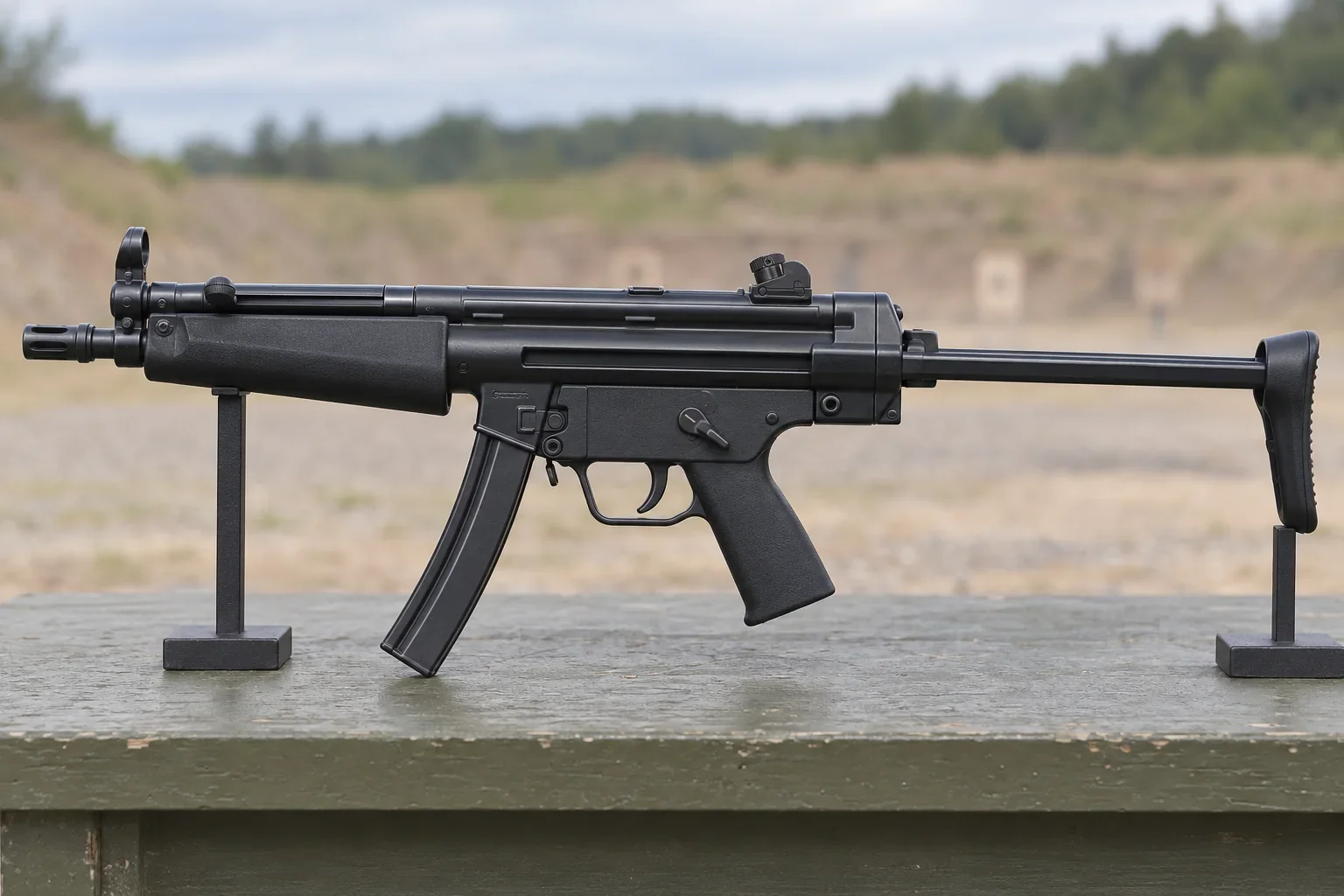
Andorra does not maintain an air force and relies on France and Spain to secure its airspace.
Naval Forces
As a landlocked country, Andorra does not have any naval forces or maritime infrastructure.
2025 MPR assessment — Merchant Marine Fleet: None.
2025 MPR assessment — Naval Replenishment Capability: Not applicable.
Missile Systems
Andorra does not possess any missile capabilities and relies on its defense partners for external security.
Detailed Missile Inventory
| System Category | Status | Operational Role | MPR Assessment |
|---|---|---|---|
| Ballistic missiles | None | Not applicable | No strategic strike capability |
| Cruise missiles | None | Not applicable | No long-range precision strike capability |
| Air-defense missiles | None | Not applicable | Air defense depends on France and Spain |
| Anti-ship missiles | None | Not applicable | Landlocked state with no naval missile capability |
| Police and ceremonial weapons | Limited | Internal security and ceremonial functions | Relevant to policing, not military deterrence |
Nuclear and Strategic Deterrence
Andorra has no strategic deterrent of its own. Its security against external threats depends on the protection of France and Spain, while domestic institutions focus on policing and civil protection.
Cyber, Space, ISR, and Electronic Warfare
Andorra has no military cyber, space, ISR, or electronic-warfare capability. Internal security is handled by national police and civilian agencies, with intelligence sharing through European and international law enforcement channels.
Partnerships and Alliances
Andorra's external-security framework is the 1993 tripartite treaty of good neighbourliness, friendship, and cooperation with France and Spain. Both countries provide external defense and protection, while Andorra manages its internal security and law enforcement.
France
France is one of Andorra's two neighboring security guarantors and plays a central role in protecting Andorran sovereignty.
Spain
Spain provides the second pillar of Andorra's external defense environment and supports cross-border law enforcement coordination.
Interpol and European Partners
Andorra cooperates with international law enforcement networks on criminal enforcement, financial security, border issues, and regional policing.
Combat History
Andorra’s security history centres on local policing, citizen-militia traditions, and agreements with its neighbours. It does not maintain a professional field army or an expeditionary force.
The Sometent and local security
Before professional policing, the Sometent was a communal citizen militia led by local officers. Andorran Police history describes exceptional mobilisation of men under sixty when local manpower was insufficient. This historical security role is distinct from a modern standing combat formation.
Professional policing from 1931
The first Police Corps regulation, dated 15 May 1931, established a chief and five officers as hydroelectric construction and new roads transformed the principality. Modern police work includes border enforcement, public order, organised and financial crime, and international coordination, with tourism and diplomatic events adding protection requirements.
The 1993 constitutional and treaty framework
The medieval paréage of 1278 helped establish the principality’s constitutional tradition. The 1993 tripartite treaty supports Andorra’s sovereignty and territorial integrity alongside the modern constitution. French and Spanish relationships remain central to its external-security model.
Civil protection and the limits of military participation
Domestic institutions concentrate on law enforcement, emergency response, and civil protection. Andorra has no national military contingents for expeditionary campaigns or conventional peacekeeping deployments. MPR therefore treats its security experience as police-led and diplomatic rather than a source of independent combat power.
Geography, Economy, and Infrastructure
Andorra is a landlocked mountain state with rugged terrain, narrow valleys, snowy winters, and warm dry summers. Its geography provides isolation but also limits infrastructure scale.
Natural resources include hydropower, timber, iron ore, and tourism value. MPR records no proven oil or natural-gas reserves. Andorra relies on imported fuel and electricity from France and Spain, alongside domestic electricity generation.
National Metrics
| Metric | Estimate or Status |
|---|---|
| Capital | Andorra la Vella |
| Founding date | 1278 Pareage feudal treaty; modern constitution in 1993 |
| System of government | Parliamentary co-principality |
| Defense budget | Approximately $3 million USD for civil protection and ceremonial units; 2025 MPR estimate |
| Defense budget as percentage of GDP | Approximately 0.2%; 2025 MPR estimate |
| GDP at purchasing-power parity | Approximately $6.2 billion USD; 2025 MPR estimate |
| GDP per capita at purchasing-power parity | Approximately $78,000 USD; 2025 MPR estimate |
| External debt | Approximately $700 million USD; 2025 MPR estimate |
| Airports | 0; served by airports in France and Spain |
| Railway network | None |
| Roadways | Approximately 300 km |
Security-spending estimates cover policing and civil protection where stated. They are distinct from conventional military expenditure; PPP output and all-sector external debt retain their separate definitions.
2025 MPR spending assessment: flat, with no standing military and resources directed toward policing, civil protection, and ceremonial functions.
Military Infrastructure and Readiness
Andorra has no military districts, no combat installations, and no military airfields. Ceremonial guard posts and police facilities in Andorra la Vella support internal order and symbolic state functions.
Readiness is strongest in policing, civil protection, border management, and cooperation with France and Spain rather than military mobilization.
Defense Industry
Andorra has no domestic defense production base and no wartime industrial surge capacity.
Domestic generation and imported energy
FEDA reported that domestic generation supplied almost 24% of electricity consumed in 2024. Hydropower was the largest domestic source, so reliance on neighbouring grids does not mean that all electricity is imported.
2025 MPR energy assessment: no domestic oil production and no identified strategic petroleum reserve.
2025 MPR assessment — Foreign Military Personnel Presence: None.
Why Andorra Ranks 194th
No Army, Navy, or Air Force
Andorra has no combat units, military infrastructure, or strategic assets, making it reliant on external defense partners.
No Independent Deterrence
The country has no missile systems, combat vehicles, combat aircraft, defensive radar, or air-defense network.
No Force Projection or Military Autonomy
Without indigenous defense forces, Andorra cannot participate in military operations, peacekeeping, or independent national defense planning.
Minimal Defense Spending
Andorra's national security spending is focused on police, civil protection, and ceremonial functions rather than military readiness.
Andorra's 194th-place ranking reflects its role as a non-militarized, externally protected microstate with a stable internal policing model.
Its defense model is built on diplomatic neutrality, geographic advantage, and trusted protection from France and Spain, giving it stability but no independent military capability.
MPR Tools and Comparisons
Related Country Profiles
Ranking Navigation
War Simulations
Use the MPR War Simulator to compare Andorra with another military using MPR rankings, force structure, doctrine, geography, security partnerships, external defense guarantees, and scenario-specific conditions.
Research Trail
This country profile draws on military and public-security personnel estimates, force-structure reporting, government information, treaty-based defense relationships, economic data, historical records, and the Military Power Rankings analytical framework.
Figures are estimates and may vary by reporting period, source methodology, operational availability, maintenance status, and the distinction between military, police, ceremonial, reserve, stored, and serviceable equipment.
- France Diplomatie: Andorra and the 1993 tripartite treaty
- FEDA: domestic electricity generation in 2024
- World Bank population profile (2025)
MPR Research Portal
Research Library
© 2026 Military Power Rankings. All rights reserved.