

Military Power Rankings
A country may possess formidable weapons and still be unable to use much of their advertised power. Ammunition may be scarce, equipment unserviceable or poorly maintained, and forces unable to reach the theater of war. Actual warfighting ability today depends on what can really be brought to bear. Military Power Rankings measures actual warfighting ability today.
Combining the scientific method with predictive modelling, MPR draws its factors from the lessons of all the wars in its database of significant conflicts from antiquity through 1945, together with its subsequent study of postwar conflicts. Fourteen recurring influences on war outcomes form the foundation of 209 ranking factors. The factors are assessed through quantitative measurement, qualitative military analysis and regression analysis, then weighted within a proprietary, real-valued mathematical function subject to mathematical limits.
Explore the science behind the assessmentHistorical performance, regression, normalization, validity and reliability
History as a test of the argument
MPR's historical conflict research examines objectives, force employment, resources, endurance and outcomes. The lessons drawn from every war in the database, together with the postwar study, establish the fourteen categories from which the factors are developed. Battlefield success and political success are considered in relation to what each side set out to achieve.
Regression and mathematical structure
Regression analysis examines relationships between military factors and war outcomes. MPR places weighted inputs within a proprietary, real-valued mathematical function subject to mathematical limits. Regression examines patterns in the evidence; interpretation still requires an understanding of the wars and variables being compared.
Statistical explanation: NIST, least-squares regression.
Direct and indirect contributions
Normalization places different measurements on a comparable scale. Weighting expresses their relative contribution. Ready forces and usable munitions have an immediate military application; economic output, spending and industrial capacity contribute through procurement, production, training and mobilization. Their contribution depends on the demands and duration of the conflict.
Validity, reliability and judgment
Construct validity concerns whether the model measures what it is intended to measure: actual warfighting ability today. Statistical reliability and consistency testing, followed by refinement, address random and systematic measurement error. The objective is to connect empirical evidence, military judgment and mathematical reasoning in a coherent assessment of usable military power. Where exact quantities are unavailable, estimates require evidence, explicit definitions and military judgment.
Measurement concepts: AERA/APA/NCME Standards (2014), pp. 11, 33–34.
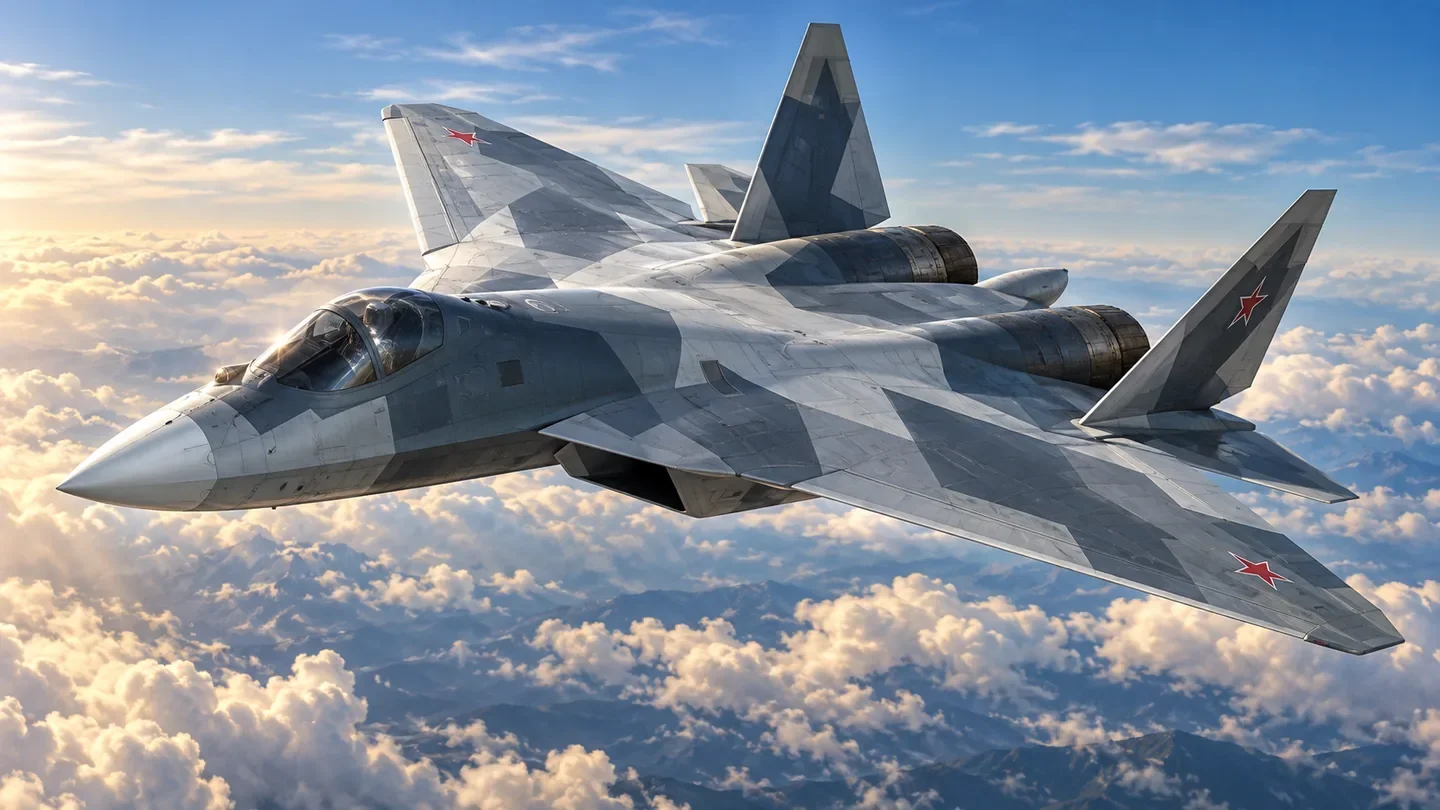
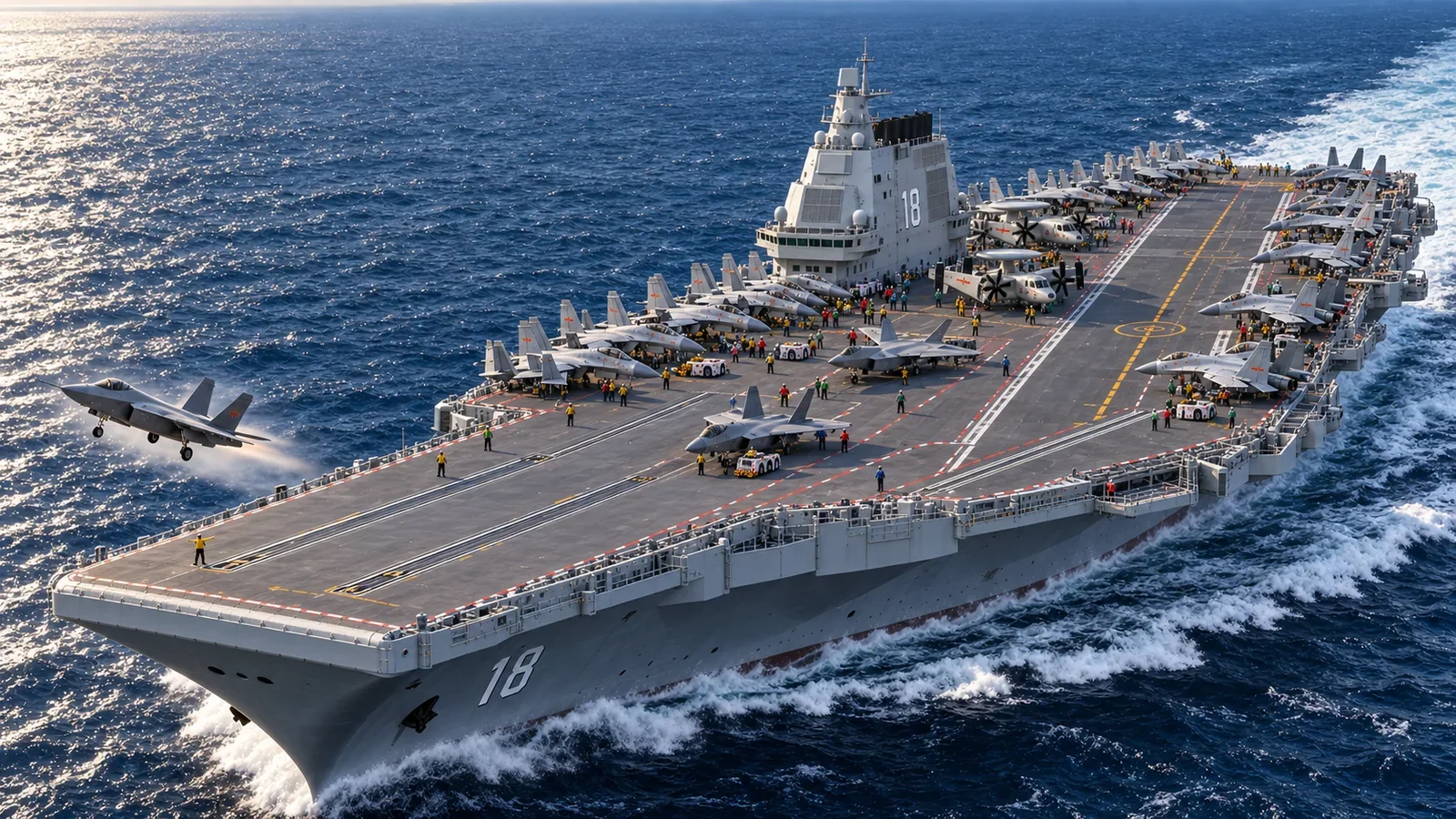
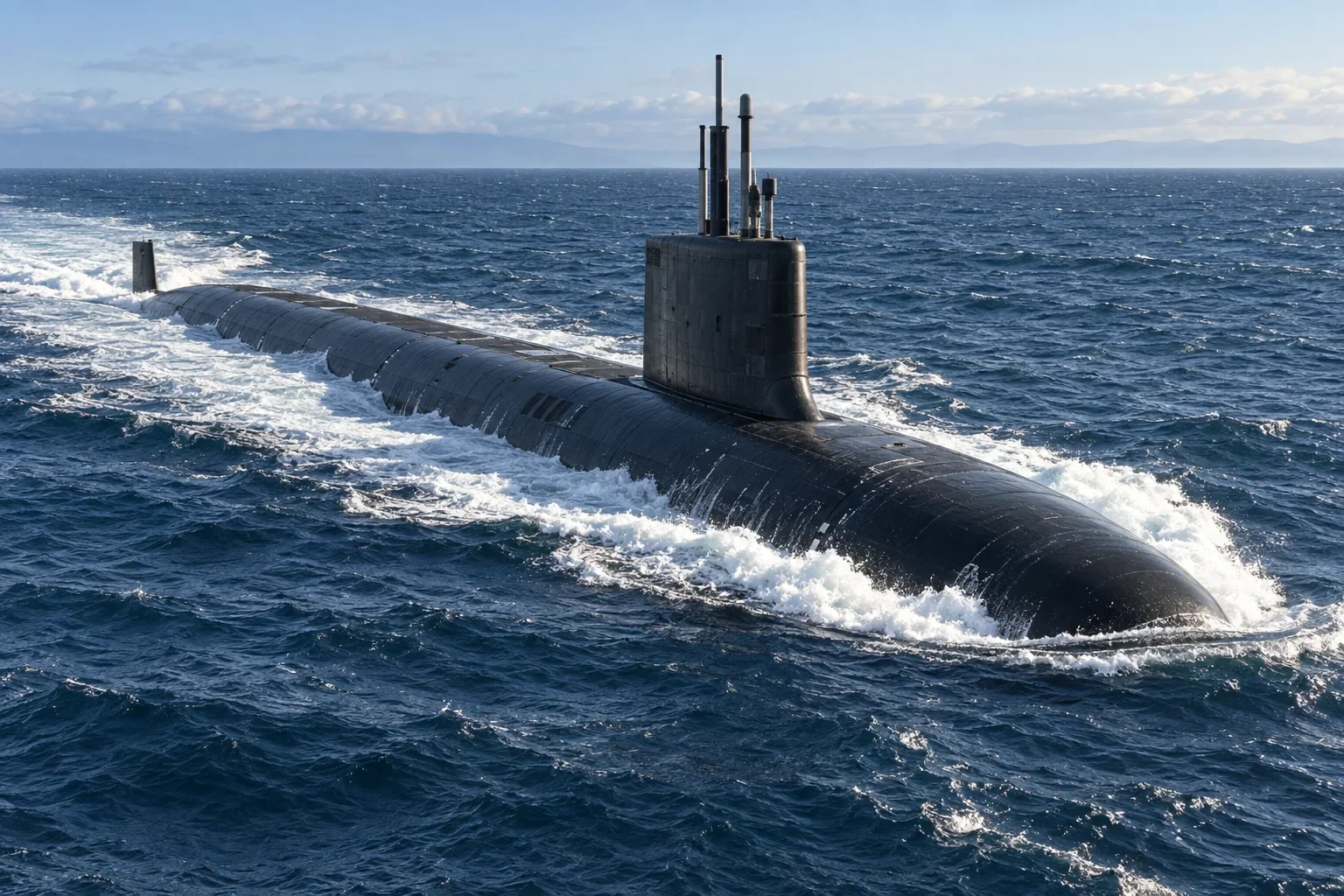
The World's Strongest Militaries
The top five military powers in the current MPR index. View the full rankings to compare all 203 militaries by combat-focused strength.
The MPR Military Power Equation
A military built to defend its homeland faces different demands from one organized for overseas intervention. MPR assesses each country's strength in relation to its doctrine, force posture and the most plausible conflict it is prepared to fight, including the constraints it would actually face.
Power+Destruction
Tolerance+Qualitative
Superiority−Qualitative
Inferiority
This equation expresses the reasoning behind MPR's real-valued mathematical function. The full calculation applies factor weights, normalization and mathematical limits.
Destruction Power52 factors · The destructive power that can actually be brought to bear.
Destruction Power assesses the forces and weapons available for use. Readiness and deployment capacity determine how much of their nominal strength can be brought to bear.
Readiness and sustainment: GAO readiness review (2024) · Joint Logistics (2008), pp. II-4–II-7.
GDP and defense spending help finance military capability, but their contribution depends on what has actually been converted into usable forces, weapons and support. A future acquisition cannot fight today's war. Existing ammunition stocks, annual indigenous ammunition production and reliable weapons imports reveal different parts of the country's ability to fight and replenish its forces.
Resources and military capability: RAND, Measuring National Power (2000), chapter 7.
- Personnel and readiness: active and paramilitary forces, force readiness and battlespace deployment capacity.
- Ground firepower: tanks, armored vehicles, self-propelled and towed artillery, rocket artillery and anti-tank weapons.
- Missiles and strategic weapons: precision-guided munitions, ballistic, cruise and hypersonic missiles, glide vehicles, multiple-warhead delivery capability and nuclear warheads.
- Air power and drones: fighters, bombers, helicopters, combat drones and coordinated swarms, airlift, aerial refueling, airborne warning, maritime patrol, electronic-warfare aircraft and reconnaissance drones.
- Naval power: aircraft carriers; strategic and attack submarines, including nuclear, conventional and midget classes; surface warships; coastal defense; mines and mine warfare; and amphibious forces.
- Specialist capabilities: special forces, offensive cyber and electronic warfare, anti-satellite and space-based weapons, directed energy and psychological warfare.
The ability to sustain and restore this fighting power is assessed through Destruction Tolerance.
Destruction Tolerance58 factors · The capacity to withstand destruction and keep fighting.
Destruction Tolerance encompasses the material resources, protective systems, national resilience and human endurance that make continued resistance possible.
Russia: endurance under destruction
Russia's experience within the Soviet Union during World War II shows why the capacity to withstand destruction belongs at the heart of military assessment. The Soviet Union lost approximately 27 million people—military personnel and civilians across its republics—yet continued fighting to victory. Russian Academy of Sciences demographic research documents the scale of those losses.
MPR regards that wartime endurance as an unmatched demonstration of national resolve. It is a key component of MPR's assessment of Russia: the capacity to absorb enormous losses, sustain resistance and continue fighting for national survival. This historical experience informs the assessment alongside the forces, resources and resilience Russia possesses today.
Vietnam: firepower and endurance
The fall of Dien Bien Phu in 1954 brought France's attempt to retain Indochina to a decisive defeat. American intervention later brought vastly greater destructive resources to the conflict, but the United States withdrew its combat forces in 1973, and South Vietnam fell in 1975. Endurance, political objectives, outside support and the ability to keep fighting all belong in an explanation of those outcomes.
For MPR, the lesson is fundamental: the damage a force can inflict and the damage its opponent can withstand have to be examined together.
Historical accounts: Dien Bien Phu · American withdrawal.
- Personnel replacement: reserves, mobilization, national service, recruitment and retention.
- Stocks and sustainment: ammunition and fuel reserves, spare parts, aircraft maintenance, equipment recovery, field and depot repair, medical support and casualty evacuation.
- Transport and infrastructure: naval replenishment, military ground transport, sealift, merchant shipping, railways, roads, ports, military and civilian airfields and inland waterways.
- Protection and resilience: air, missile and drone defense; radar and sensor survivability; hardened sites; fortifications; strategic depth; natural defensibility; resilient infrastructure, supply chains, cyber defenses and communications.
- Replenishment and outside support: industrial surge capacity, annual indigenous ammunition production, energy security, resistance to sanctions, reliable foreign arms and spare-parts supply, foreign-exchange reserves, external funding, defense treaties, demonstrated allied support and diplomatic resilience.
- National endurance: military and civilian morale, discipline, cohesion, public support, national will and demonstrated grit, tolerance of casualties and hardship, civil defense, the domestic information environment, leadership continuity and sustained combat endurance.
Qualitative Superiority87 factors · The qualities that make available military power more effective.
Forces with comparable inventories can perform very differently. Qualitative Superiority concerns the leadership, skill, technology, experience, national resources and strategic circumstances that improve their effectiveness.
China illustrates the distinction between capability and demonstrated capability. In MPR's current assessment, the only remaining distinction keeping China from a tie with Russia is demonstrated military capability and combat experience, together with the uncertainty surrounding aspects of China's full wartime performance. MPR sees exceptional strength; what remains less established is how completely that strength would translate into performance in a comparable major war. Limited public knowledge is not evidence that a capability is absent.
Afghanistan: the demands of the war
Afghanistan's conflicts with outside powers occurred in different periods and under different conditions. The 1919 settlement ended British control of Afghan foreign affairs. Soviet forces withdrew in 1989. In 2021, the American-backed political order collapsed as the United States completed its withdrawal.
The common analytical question is how a stronger intervening power can secure its objectives against persistent resistance. Geography, local networks, external support, political legitimacy and the determination to continue fighting can profoundly alter that task.
Historical accounts: the 1919 settlement · Soviet withdrawal documents · MPR's U.S. combat-history account · SIGAR: the 2021 collapse and withdrawal.
Türkiye: overturning an imposed settlement
After the First World War, Turkish nationalists resisted a settlement that threatened to partition their homeland. Battlefield victory over Greece, French withdrawal from Cilicia and the diplomatic resolution of confrontation with Britain helped produce the new settlement at Lausanne in 1923.
The episode illustrates the relationship between military resistance, leadership, national cohesion and political purpose. The eventual outcome differed sharply from the future envisaged by the victorious Allied powers after the Ottoman defeat.
Historical account: Birth of the Turkish Republic · French diplomatic archives: Cilicia withdrawal.
- Equipment, training and command: aircraft quality, weapon generations, pilot and reserve training, military education, the NCO corps, command competence, decisiveness, execution speed, audacity, initiative, planning and joint operations.
- Experience and military thought: combat history, successful offensives and defenses, adaptability, institutional learning, flexibility across war types, doctrine, clarity of objectives and coherence between doctrine and force structure.
- Suitability for the war: defensive, offensive, expeditionary and asymmetric proficiency; weapons suited to the battlespace; mountain, urban, desert, Arctic, jungle and coastal warfare; mobile-fire coordination and sea denial.
- Institutions and partnerships: civil–military coordination, institutional integrity, forward bases, foreign access, deployment distance, strategic partnerships, foreign technology and training, joint exercises, coalition interoperability and intelligence sharing.
- Intelligence and advanced systems: command and sensor integration, intelligence analysis, signals intelligence, data fusion, AI-assisted decisions and targeting, stealth, military quantum technology, satellite navigation and communications, space reconnaissance and surveillance, and undersea communications.
- Population, economy and industry: population and military-relevant age groups, service eligibility, workforce skills, economic scale and growth, defense funding, industrial capabilities, resource conversion, oil production and demand, and strategic natural resources.
- Geography: land area, borders, coastlines, terrain, islands and archipelagos, chokepoints, climate and seasonal operating conditions.
Qualitative Inferiority12 factors · The weaknesses and burdens that reduce usable strength.
Qualitative Inferiority accounts for constraints that prevent a country from applying its full military potential. A country confronting two hostile neighbors may have to divide its forces; a military committed across several theaters may be unable to concentrate where it is most needed. An assessment must consider these burdens alongside its advantages.
For the United States, global force dispersal is an important example. In MPR's assessment, forces and commitments spread across multiple theaters limit the strength the United States can concentrate in any one conflict. Its rating therefore considers the power available for the likely war, including competing commitments, rather than assuming that every American formation can be assembled in the same theater at once.
Force-allocation background: GAO, competing global requirements (2016), pp. 5–6.
- Dispersal and commitments: forces divided among competing tasks, internal conflicts and the burden of offensive objectives.
- Demonstrated failures: failed offensives and failed defenses.
- Strategic opposition: adversarial neighbors, major international disputes and influential strategic rival powers.
- Financial constraints: national debt, fiscal vulnerability and the military expenditure burden on the economy.
- Mismatch and credibility: a force design or doctrine ill suited to the war being fought, and the gap between declared doctrine or ideological claims and demonstrated military reality.
The nuclear reality
Nuclear weapons possess extraordinary destructive power. Their delivery systems, survivability and capacity for retaliation influence deterrence, escalation and the choices available in a major confrontation. MPR includes that reality in its assessment of national military power, while examining the demands and objectives of conventional campaigns.
Nuclear effects and deterrence doctrine: ICRC research review (2020) · NATO nuclear policy.
Follow Your Curiosity.
A disputed ranking, a remarkable weapon, a commander whose decisions changed history—there is more than one way into the study of military power. Start with the question that interests you, then follow the connections.
Who's Strongest?
Explore the official 2026 MPR ranking table and compare global military strength.
Country Profiles
Study individual militaries, strengths, vulnerabilities, and national force posture.
Who Would Win?
Compare published MPR scores through Monte Carlo trials, then explore the detailed conflict scenarios.
Learn Warfare
Explore doctrine, strategy, commanders, battles, tactics, and military history.
Featured Military Profiles
Every military has a character of its own: the geography it defends, the wars it remembers, the weapons it favors and the ambitions it prepares to pursue. Explore ten major military powers below, or browse the full country index for the strengths, vulnerabilities and national circumstances behind each assessment.
The profiles connect equipment and personnel with doctrine, logistics, combat experience and strategic purpose.
Watch the MPR introduction.
Rankings, country profiles, comparisons and the study of war — in 1 minute 56 seconds.
About MPRIf playback does not start, open the MPR introduction.
Read the video transcript
Russia. China. The United States. In MPR’s 2026 rankings, these are the top three military powers. Surprised by the order? Explore the analysis behind it.
Welcome to Military Power Rankings dot com. MPR measures actual warfighting ability today: the forces a country can bring to bear, the destruction it can inflict, and the losses it can withstand.
Explore 203 militaries through 209 ranking factors in 14 categories. These factors draw on lessons from every war in MPR’s database, from antiquity through 1945, together with its study of postwar conflicts.
Open a country profile to discover its forces, strengths, vulnerabilities, and military history. Examine readiness, leadership, logistics, and resolve. Follow the research trail and see the context behind the ranking.
Then put your own questions to the comparison tools. Compare countries and coalitions across land, air, sea, and strategic forces.
Curious about a matchup? Choose two countries in the War Simulator and see MPR’s comparative estimates. Dive into detailed scenarios, from China and Taiwan to NATO and Russia.
Step into the Warfare Library for the strategies, commanders, and battles that shaped how nations fight.
The site is free to explore. Whether you’re following world events, studying military history, or exploring a debate, start with a question—and keep exploring.
Visit Military Power Rankings dot com. Find your country. Compare the forces. Explore the analysis.
Featured War Simulations
Explore conflict forecasts built from rankings, force posture, doctrine, geography, missile power, air defense, logistics, and multi-domain warfare.
A mountain frontier, an exposed supply route or a narrow sea passage can transform a campaign. Explore how the balance changes with the theater, the forces available and the objectives each side seeks.
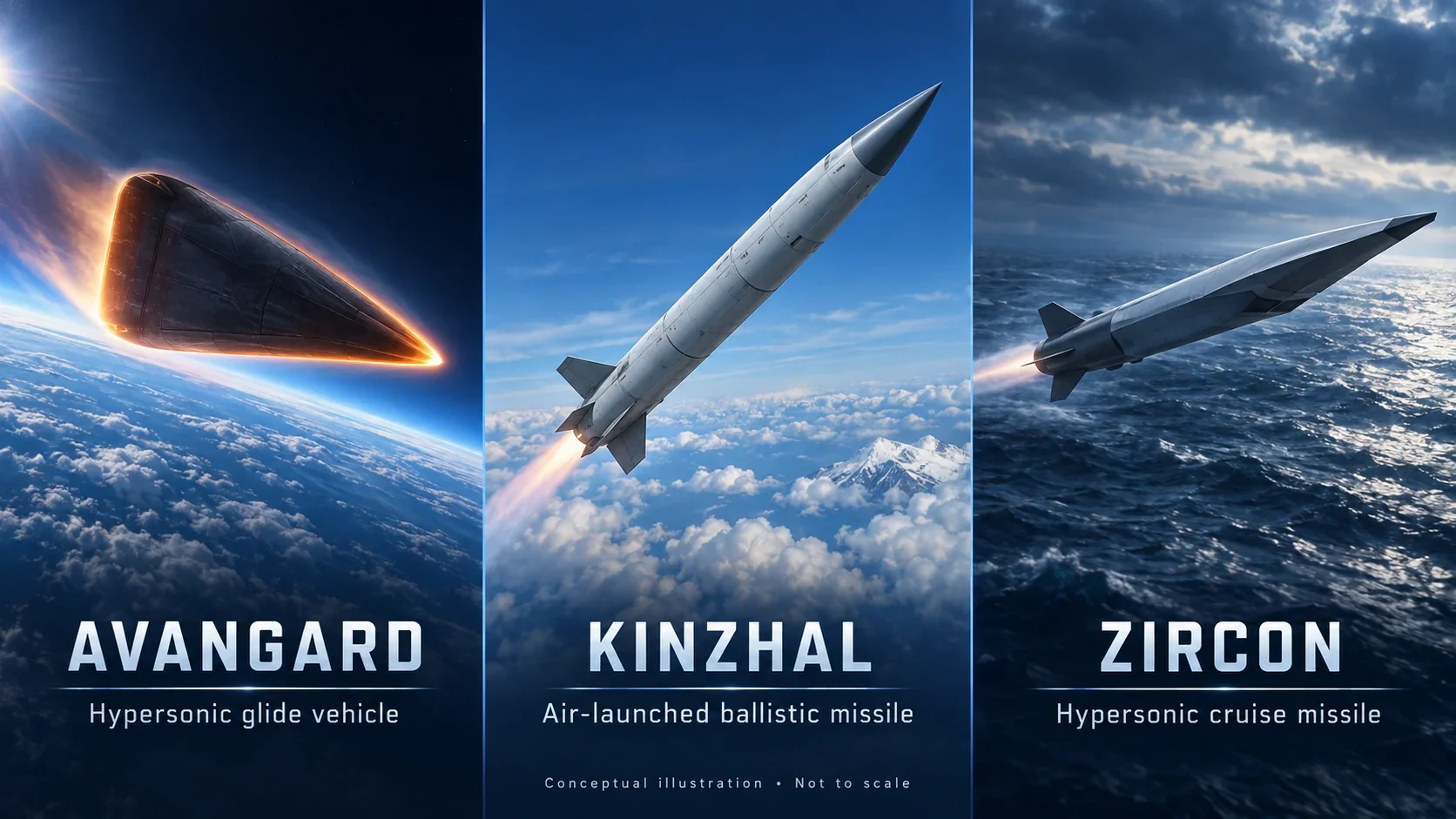
China vs Taiwan
Blockade, missile warfare, air defense, amphibious risk, and U.S. intervention pressure.
NATO vs Russia
Baltic escalation, Kaliningrad pressure, missile warfare, air defense, and strategic endurance.
India vs Pakistan
Air combat, missile escalation, nuclear deterrence, A2AD, and coalition-support dynamics.
Russia vs Ukraine
Attrition warfare, artillery depth, drones, manpower exhaustion, and battlefield endurance.
U.S. / Israel vs Iran
Missile saturation, Hormuz pressure, regional escalation, air defense, and strategic endurance.
Turkey vs Greece
Cyprus escalation, Aegean pressure, naval balance, drone warfare, air defense, and NATO constraints.
Iran and the limits of military coercionHow missiles, drones, geography and endurance enter MPR's assessment
MPR's Iran analysis examines how a materially weaker state can preserve strategic leverage against more powerful opponents. Dispersed missile forces, drones, asymmetric methods and the geography of the Persian Gulf matter through the pressure they can exert and the options they can deny.
In MPR's assessment, frustrating an adversary's political objectives can amount to strategic success even after serious military damage. The crucial questions concern what each side can still accomplish, what it can sustain and what terms it can compel the other to accept. Destruction, endurance and political results have to be considered together.
Read the U.S. / Israel–Iran scenario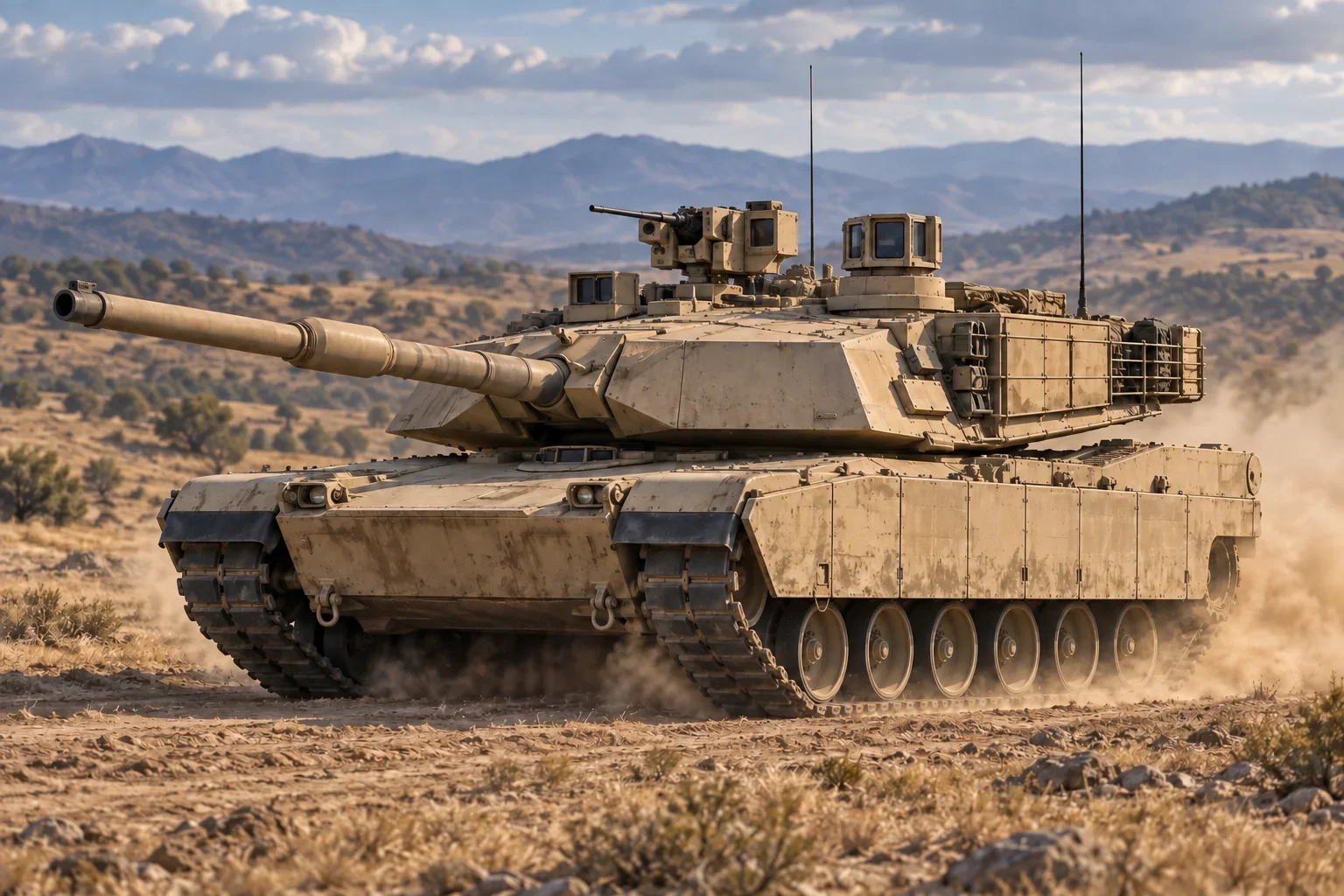
Compare the World's Armed Forces
Move beyond total force size. Compare countries by force structure, air power, naval capability, land forces, strategic forces, and the military factors that shape real-world combat effectiveness.
Main Factors That Influence War Outcomes
Across centuries of warfare, the same questions return: who commands effectively, who can sustain the fight, who adapts, and who endures? MPR organizes the lessons of its historical and postwar research into fourteen categories. Each connects the experience of war with the capabilities assessed today.
Strategic Leadership and Command
Choosing achievable objectives, making sound decisions, coordinating forces, and connecting battlefield success to the war’s political purpose. Divided command, overconfidence, and pursuing the wrong objectives repeatedly undermine military strength.
Historical examples: Alexander’s campaigns, Napoleon at Borodino, Germany’s 1918 Spring Offensive.
Logistics and Sustainment
Keeping forces supplied with food, water, ammunition, fuel, transport, and essential equipment throughout a campaign. Supply disruption, blockade, encirclement, and overextension repeatedly turn strong armies into exhausted or immobilized forces.
Historical examples: Hattin, the Siege of Kut, Barbarossa, the Battle of the Bulge.
Morale, Cohesion, and Political Will
The willingness of troops, leaders, and populations to endure losses and continue resisting. Discipline, loyalty, confidence in leadership, and commitment to the cause sustain resistance; panic, betrayal, and political disintegration can collapse forces that retain substantial material strength.
Doctrine, Tactical Execution, and Adaptability
How effectively forces fight together, respond to unfamiliar threats, and learn from experience. Combined arms coordination, flexible formations, and adaptation repeatedly overcome rigid methods or poorly coordinated attacks.
Historical examples: Roman adaptation during the Pyrrhic War, Breitenfeld, Amiens, Bagration.
Intelligence, Reconnaissance, and Deception
Understanding enemy intentions, positions, capabilities, and vulnerabilities while protecting or disguising one’s own plans. Accurate information creates opportunities; its value depends on commanders acting effectively upon it.
Historical examples: Metaurus, Tannenberg, Midway, the deception supporting Normandy.
Economic Capacity, Mobilization, and Replacement Power
The ability to produce equipment, mobilize manpower, replace losses, and rebuild fighting strength. This becomes especially influential as wars lengthen: an army can win engagements while exhausting resources it cannot replace.
Historical examples: Pyrrhus’s costly victories, Allied shipbuilding in the Atlantic, Japan’s losses of trained naval aircrews.
Geography, Terrain, and Defensive Preparation
Mountains, rivers, straits, cities, distance, fortifications, and defensive depth shape which forces can fight effectively. Favorable ground and engineering can restrict an opponent’s numbers, mobility, and firepower.
Historical examples: Salamis, Stirling Bridge, Agincourt, Kursk.
Alliances, Diplomacy, and External Support
Reliable allies provide additional forces, supplies, access, and pressure on other fronts. Their contribution depends on shared objectives, timely assistance, and coordination; defections or strategic isolation can overturn a military position.
Force Quality, Training, and Readiness
The proficiency and preparedness of soldiers, crews, officers, and formations. Experience, disciplined fire, reliable communications, and competent junior leadership determine how much usable combat power a force actually possesses.
Historical examples: Trafalgar, Mons, Kasserine Pass, the Philippine Sea.
Force Concentration and Reserve Employment
Bringing sufficient effective strength to the decisive location and committing reserves at the right moment. Overall numbers matter, but dispersed forces, delayed reinforcements, or exhausted reserves can leave the critical sector vulnerable.
Historical examples: Leuctra, Cannae, Marengo, the First Marne.
Control of Sea Lanes, Airspace, and Strategic Routes
The ability to move, reinforce, supply, and project force while restricting the enemy’s access. Maritime and aerial control can determine whether an invasion, overseas expedition, or prolonged campaign remains possible.
Historical examples: Hansan Island, Yorktown, Jutland, the Battle of Britain, the Atlantic campaign.
Technology and Effective Firepower
Advantages in weapons, range, protection, accuracy, sensors, and destructive power. Their influence depends on deployment, trained operators, supporting doctrine, and the enemy’s ability to develop countermeasures.
Historical examples: Pavia, Omdurman, Cambrai, radar-supported British air defence.
Mobility, Initiative, and Exploitation
Moving quickly, setting the pace of operations, and exploiting success before the enemy recovers. Speed can create surprise and disrupt coordination, provided advancing forces retain supplies and mutual support.
Historical examples: Mongol campaigns, Jena–Auerstedt, France in 1940, Bagration.
Weather, Disease, and Physical Endurance
Rain, mud, cold, heat, illness, and fatigue affect movement, supply, equipment, and fighting capacity. These conditions can become decisive when one side is substantially better prepared or adapted.
Historical examples: Cartagena de Indias, Waterloo, Passchendaele, Kokoda.
The fourteen categories explain the historical basis of the factors; the four components of the military equation organize their contribution to military power.
Records of successful and failed offensives and defenses provide evidence across the categories, showing how forces performed under the demands of war. They remain part of the complete 209-factor assessment.
Enter the World of Military History.
Audacious commanders, ingenious defenses, formidable empires and catastrophic miscalculations: military history is a vast record of human ambition under extraordinary pressure. Follow the decisions, rivalries and strategic ideas that shaped its outcomes.
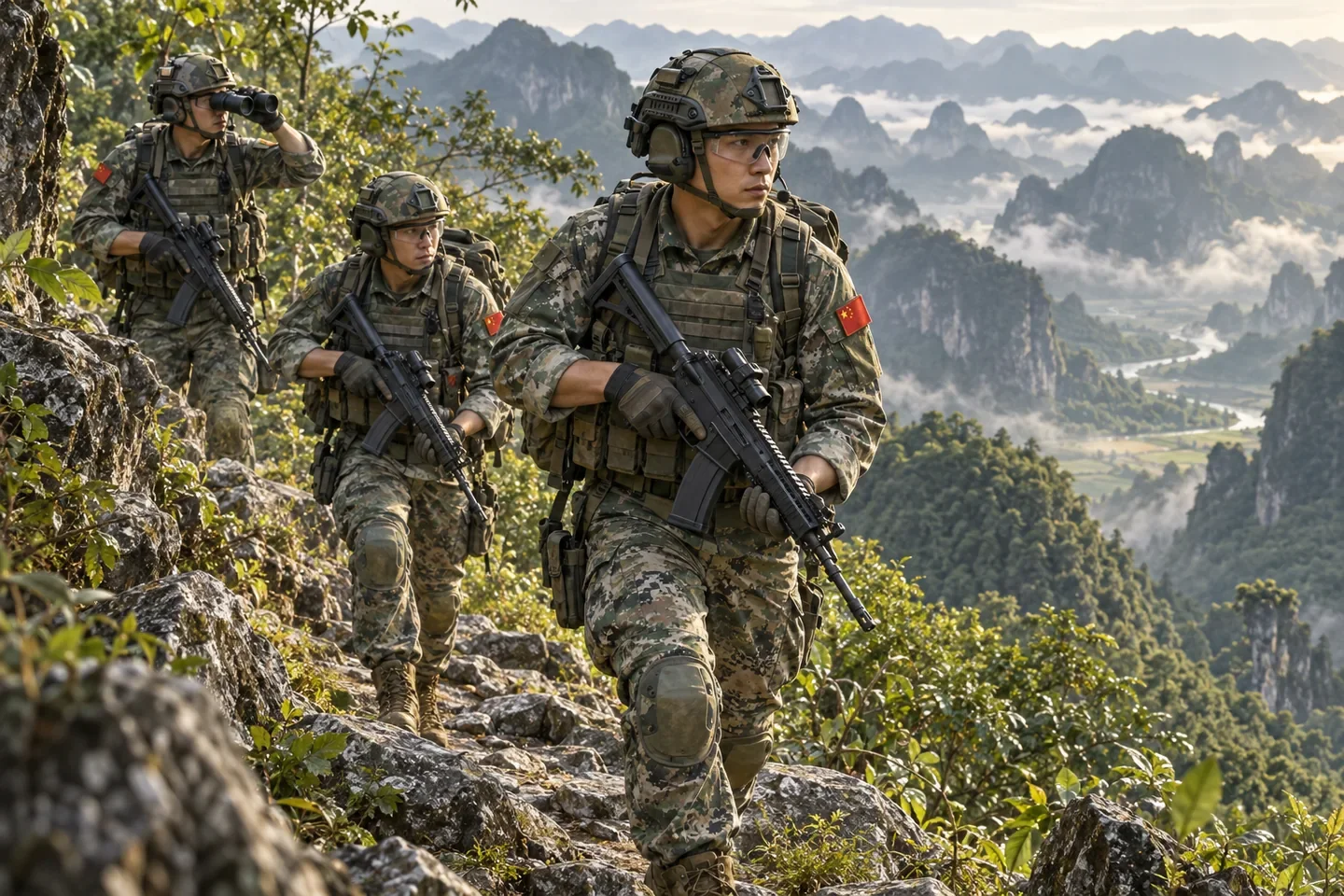
The Warfare Library connects doctrine, strategy and tactics with commanders, battles and the history behind them. Explore a familiar campaign in greater depth, or follow an unfamiliar idea into a part of the past you have yet to discover.
Military Doctrine
How armed forces organize, think, and fight.
Military Strategy
How states convert military force into political results.
Tactical Methods
Battlefield techniques, maneuvers, and operational practices.
Command Profiles
Commanders who shaped military history and doctrine.
Military Theorists
The thinkers behind modern war, strategy, and operations.
Conflict Archive
Historical wars and battles used to understand combat outcomes.
Take the Commander's Seat.
Recognize a military thinker, revisit a decisive battle or weigh a command decision. The games and quizzes offer a different way to engage with warfare: curious, competitive and hands-on.
Patriotism Demands the Truth.
A weakness recognized can be corrected. A weakness concealed becomes an advantage for the enemy.
Political ambitions, commercial incentives and institutional reputations can influence how military power is presented. An inflated assessment may flatter its audience while making the country less prepared. Recognizing an opponent's strengths is a first step toward countering them. Recognizing shortcomings at home is a first step toward remedying them. Exaggerated claims of strength can encourage commitments a military is unprepared to sustain; underestimating an adversary can leave crucial capabilities unchallenged.
Historical perspective on institutional influence: Eisenhower's farewell address (1961), National Archives.
That is a constructive patriotic purpose: protecting lives, strengthening national security and improving decisions before their cost is measured in war. MPR applies the same analytical standard across countries. Evidence and military reasoning must carry more weight than whether a conclusion is flattering.
Explore MPR's military analysisOriginal Analysis and Research Trails
Follow an argument beyond the headline. MPR analysis connects ranking data, battlefield lessons, doctrine and contemporary military questions. Essays, research trails and further reading give you the material to examine the reasoning and reach an informed view of your own.
A Thought on War
"The supreme art of war is to subdue the enemy without fighting."
Follow the research behind the rankings.
Explore the sources, country research and ranking factors behind MPR’s analysis. Dates, definitions and operational status matter: a planned acquisition, a delivered weapon and a combat-ready formation describe different things.
Independent
No government affiliation, partisan agenda, or national advocacy. MPR evaluates capability, not ideology.
Comprehensive
Coverage spans 203 militaries, country profiles, comparison tools, simulation pages, and warfare education.
Transparent
The ranking system is connected to published sources, factor explanations, and a clear algorithm.