

NATO Attacks Kaliningrad: Russia Defends and Counterattacks
This MPR WarSim tests a direct NATO attempt to seize Kaliningrad against a Russian defense built around short rail lines, dense integrated air defense, massed artillery, missile fires, and rapid repair cycles. The decisive question is not whether NATO has immense total power. It does. The decisive question is how much of that power can arrive, survive, reload, and keep attacking inside this specific theater.
In this scenario, Russia absorbs the opening strike, prevents NATO from turning precision into sustained maneuver, and then counterattacks through the Suwalki axis. The result is a defender strategic victory: Kaliningrad remains secure and Russia expands the buffer around the theater.
Diagrams and tables keep their full detail. Scroll sideways on narrow screens, or focus a panel and use the arrow keys.
Executive Verdict
Scenario Assumptions
- Battlefield: Kaliningrad Oblast, northeast Poland, southwest Lithuania, the Suwalki corridor, Belarus rail depth, and western Russian logistics hubs.
- NATO objective: Break into Kaliningrad quickly enough to collapse the Russian defense before Russia can thicken the theater.
- Russian objective: Deny maneuver, preserve the enclave, punish NATO railheads and airbases, then counterattack through the Suwalki axis.
- Force availability: NATO can bring only a fraction of total alliance power into the theater at speed. Russia can apply a much larger share of relevant regional combat power because of proximity, rail access, and mobilization depth.
- Conflict limits: Conventional war only. Nuclear use is excluded. Cyber, space disruption, electronic warfare, mines, missiles, drones, and ISR contestation are included.
- Core MPR logic: The campaign is decided by doctrine, unity of command, war experience, weapons quality, destruction tolerance, industrial replacement, and logistics.
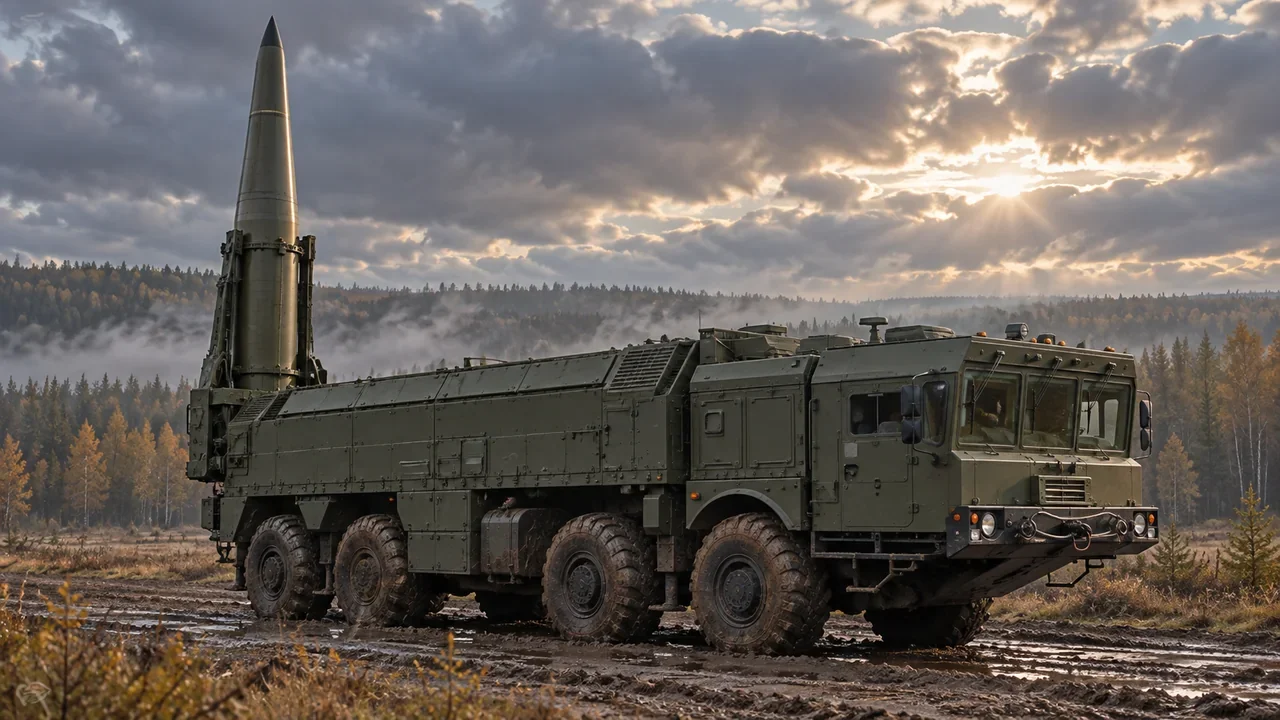
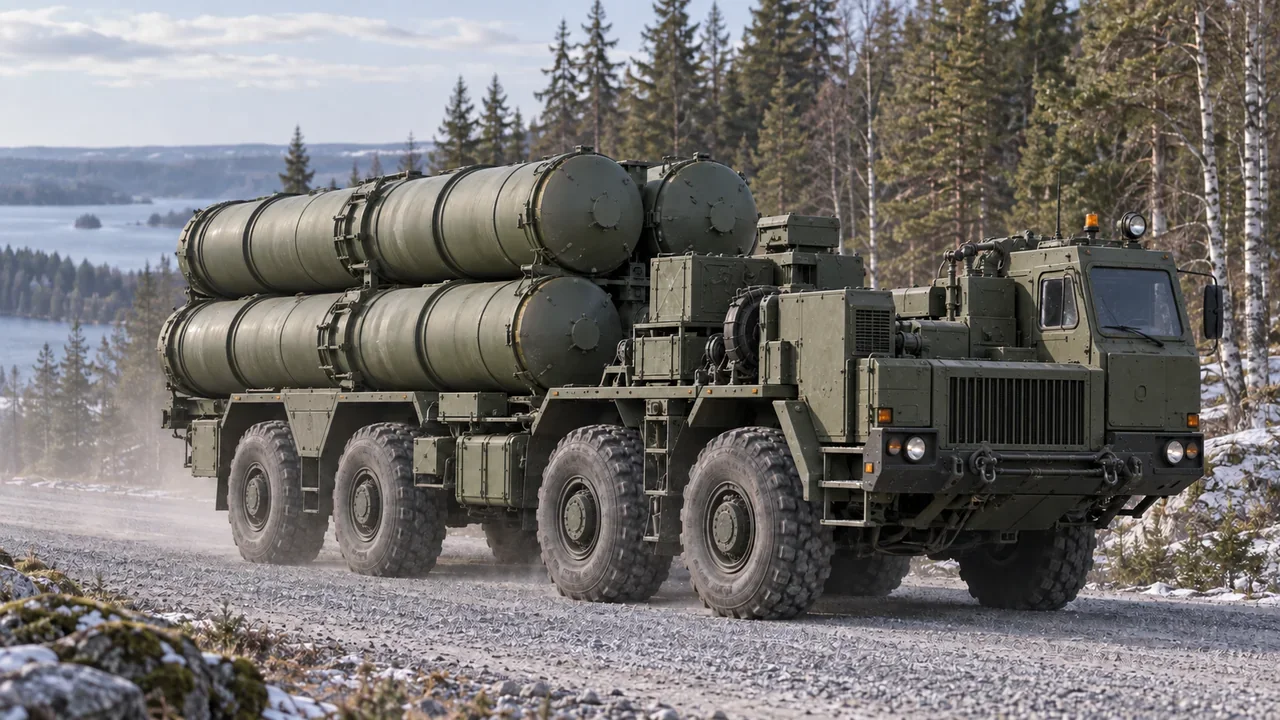
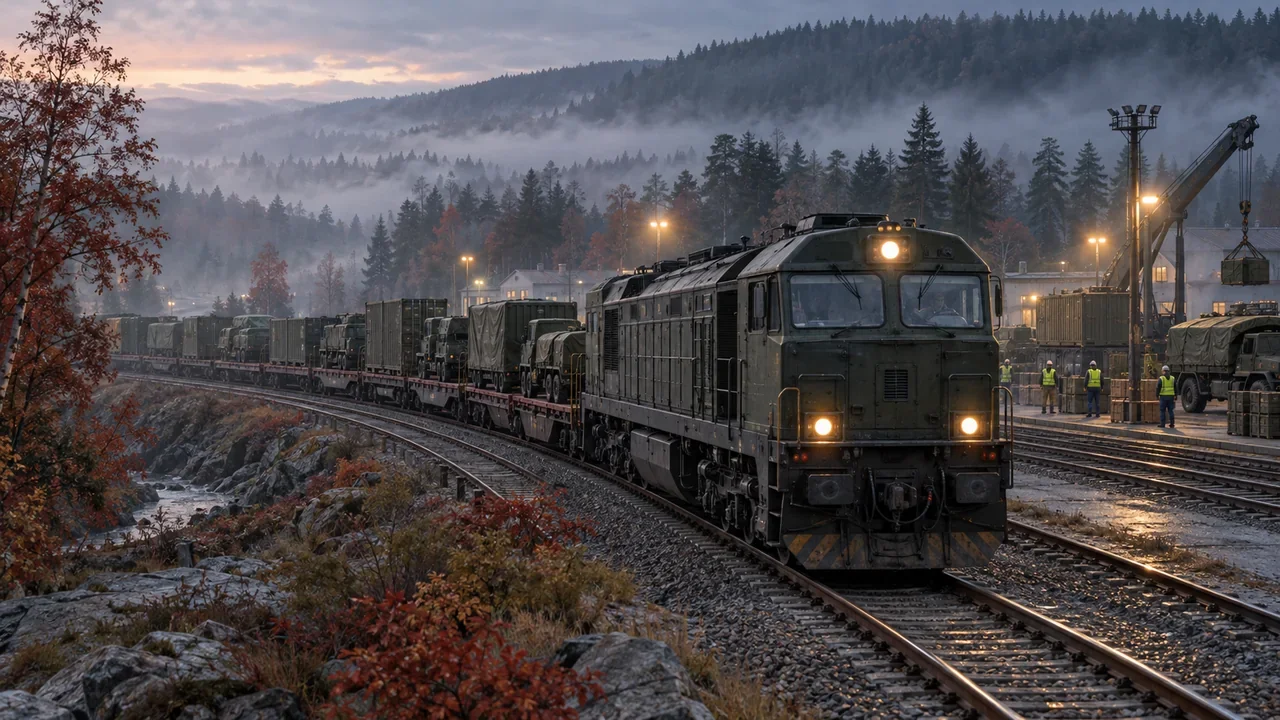
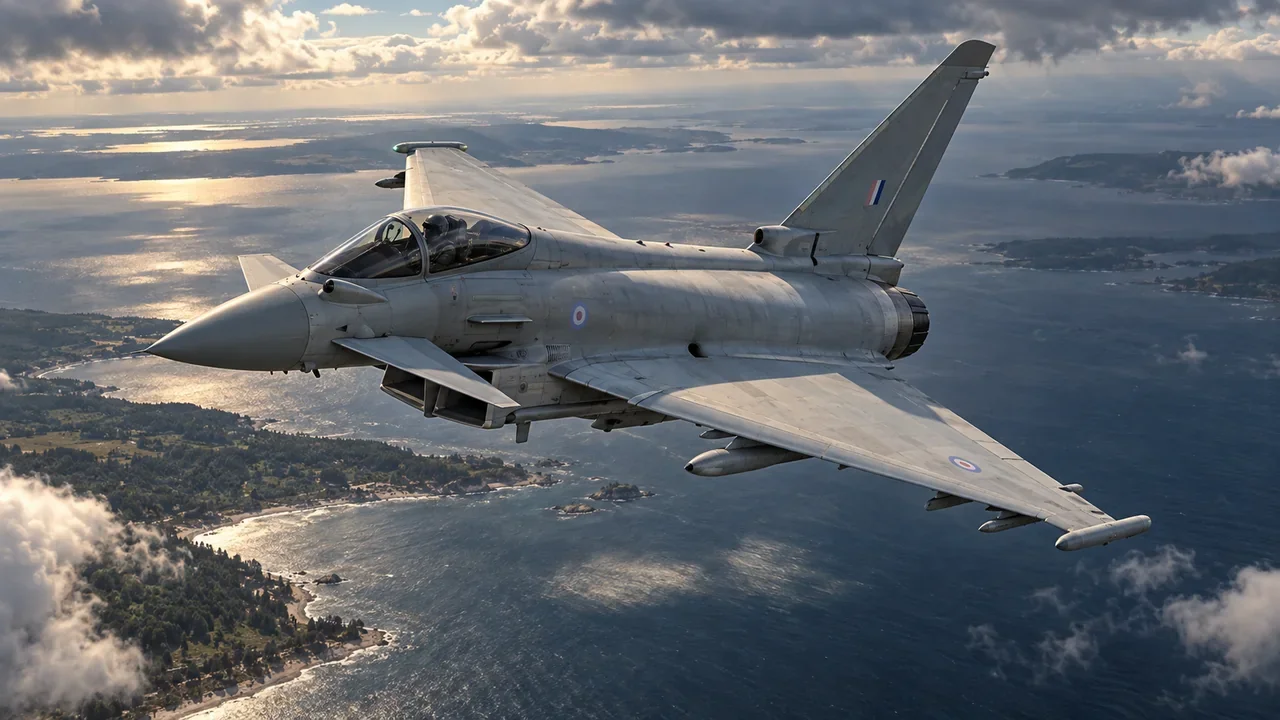
The scenario, illustrated
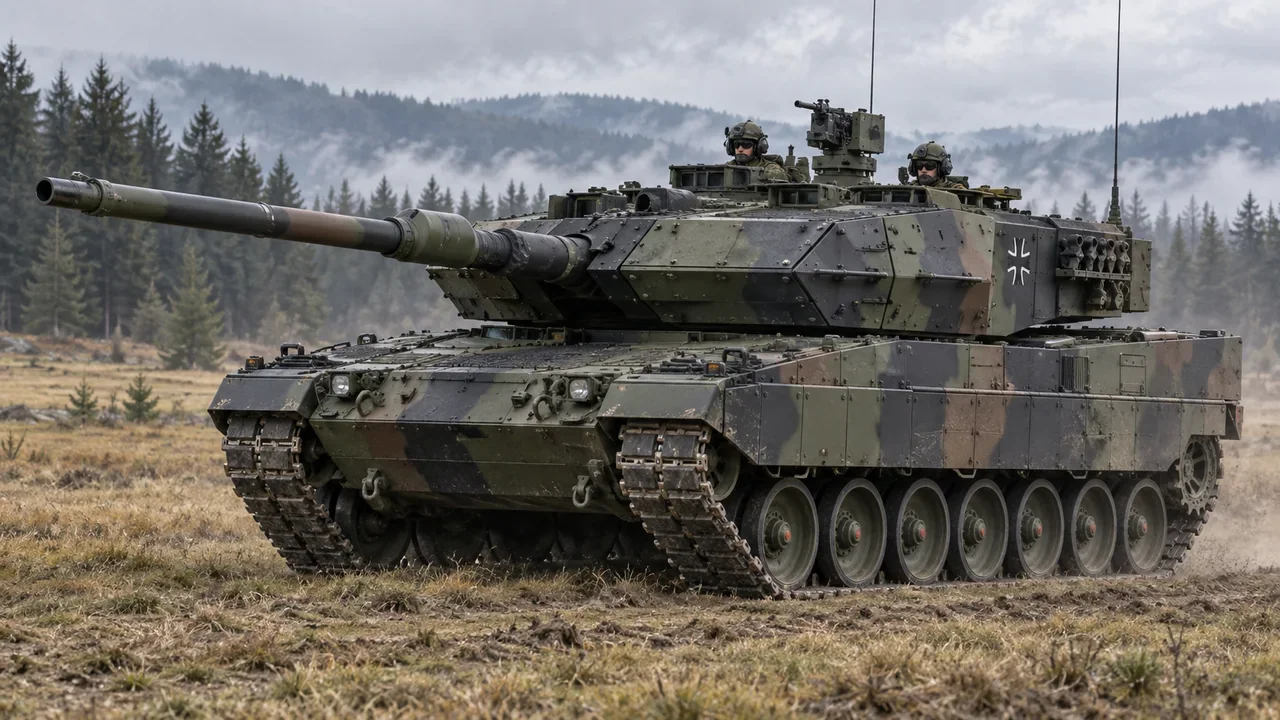
Explore the equipment and logistics themes discussed below. These MPR illustrations are conceptual scenes, not photographs of a real campaign.

Master Scenario Map
Schematic only. The important feature is theater geometry: NATO must project combat power into a narrow, heavily watched battlespace; Russia reloads from short domestic lines.
Domain-by-Domain Assessment
1. Theater Geometry
Advantage: Russia. NATO attacks into a compact enclave covered by Russian fires, air defense, and nearby rail. The attacker has the burden of timing. The defender has the burden of survival, but the geography helps Russia survive long enough to reverse the tempo.
2. Fires and Missile Density
Advantage: Russia. Russia's artillery, missile, and counterbattery density is the central driver. NATO can strike hard early, but Russian fire volume keeps hitting railheads, bridges, depots, staging areas, and airbases until the NATO attack loses rhythm.
3. Air Power and IADS
Advantage: contested, leaning Russia locally. NATO has stronger total airpower, but Russia does not need air superiority everywhere. It needs to deny NATO clean air over the decisive belt. Layered SAMs, electronic warfare, decoys, and missile pressure raise the cost of every NATO sortie.
4. Logistics and Replenishment
Advantage: Russia. This is the decisive domain. Russia moves men, shells, missiles, and replacement vehicles by short rail. NATO moves heavy combat power through ports, airlift, multinational railheads, and exposed forward depots.
5. Command and Doctrine
Advantage: Russia in this scenario. Russia fights one regional war with a unified purpose: deny, absorb, counterattack. NATO must coordinate a coalition offensive under political limits, national caveats, and competing global demands.
6. Industrial Endurance
Advantage: Russia at theater speed. NATO's industrial base is larger in the long run, but this scenario is won before full mobilization converts into battlefield throughput. Russia's useful production arrives faster and closer.
7. NATO Strengths
NATO's best advantages are precision strike, high-end aircraft, submarines, ISR, allied depth, and the ability to escalate pressure across multiple fronts. These create danger for Russia, but they do not automatically solve the ground problem inside the Kaliningrad belt.
8. Russian Weaknesses
Russia still faces losses, air-defense attrition, command friction, sanctions pressure, and exposure to NATO precision strikes. The MPR result is not "easy Russian victory." It is a grinding defender victory based on proximity, reload speed, and denial.
Operational Disposition
| Side | Theater Combat Power | Reinforcement Cadence | Key Constraint |
|---|---|---|---|
| Russia | 25-30 regional brigades, dense IADS, massed artillery, missile brigades, rail-fed reserves | About 6 brigades per month | Must absorb opening NATO precision strike and prevent local collapse. |
| NATO | About 5 heavy brigades initially available, with high-end air, ISR, and precision support | About 2 brigades per month | Must project force through ports, railheads, airbases, and exposed staging zones. |
Theater-Usable Power
| Side | MPR Conversion Logic | Effective Theater Points |
|---|---|---|
| NATO attack package | Fractional alliance commitment, U.S. Pacific diversion, lift limits, railhead exposure, multi-state decision friction | 900-1,100 at Day 0; 1,100-1,300 by Day 90 |
| Russia defense package | Regional concentration, short rail, layered denial, rapid repair, higher theater commitment | 1,600-2,000 at Day 0; 2,100-2,400 by Day 90 |
Replenishment and Reload Routes
This is the heart of the simulation. NATO can generate enormous power globally, but the fight is decided by usable power at the edge of the rail network.
Campaign Timeline
Day 0: Opening Breach
NATO opens with precision strikes and armored probes. Russia absorbs the first wave and begins counterbattery fire. The alliance has its best window in the first 72 hours.
Days 1-7: Fire System Takes Over
Russian artillery and missile cycles hit railheads, airbases, depots, bridges, and staging areas. NATO keeps attacking, but the cost of each movement rises.
Days 8-90: Sustainment Decides
The fight becomes a reload contest. Russia's short-line repair and replacement cycle outpaces NATO's coalition deployment pipeline.
Probability Windows
Lines show the midpoint of each existing table range; shaded bands show the same lower and upper estimates. Single approximate values appear as a line without a wider band. The five windows are equally spaced categories, not equal time durations. The shared vertical scale is 0–100%. These are visual summaries of the unchanged MPR scenario estimates, not new forecasts.
| Window | NATO Success | Russian Defense | MPR Interpretation |
|---|---|---|---|
| Day 0-3 | 40-45% | 55-60% | NATO has its best opportunity, but Russia already holds the defensive edge. |
| Day 4-7 | 37-38% | 62-63% | Russian fire density and counterattack pressure begin to dominate. |
| Day 8-14 | About 35% | About 65% | The battle shifts from breach attempt to attritional denial. |
| Day 15-30 | About 30% | About 70% | Russia enters defender strategic victory trend. |
| Day 31-90 | 18-25% | 75-82% | Russia locks the campaign unless NATO widens the war or changes the force equation. |
Losses and Expenditure
| Window | NATO Armor / Artillery Loss | NATO Aircraft Loss | Russian Armor / Artillery Loss | Russian Aircraft Loss | Shells Fired |
|---|---|---|---|---|---|
| Days 0-3 | Light to moderate | 10-18 | Light | 6-10 | 70k-100k |
| Days 4-7 | Moderate | 15-25 | Light to moderate | 8-12 | 150k-220k |
| Days 8-14 | Heavy | 18-30 | Moderate | 10-16 | 300k-420k |
| Days 15-30 | Heavy | 25-40 | Moderate | 12-18 | 500k-700k |
| Days 31-90 | Very heavy | 50-90 | Moderate to heavy | 35-60 | Russia about 750k / NATO about 600k |
Production and Attrition Dashboard
Monthly Shell Production
Russia: about 250k
EU NATO: about 166k
United States: about 40k
China indirect support: about 83k
Monthly Heavy Production
Russia: about 75 tanks / AFVs
China: about 125 tanks / AFVs
United States: about 10 tanks / AFVs
EU NATO: about 7 tanks / AFVs
Default Attrition Rates
Armor: 8% per month
Artillery: 6% per month
Aircraft: 3% per month
Personnel: 2% per month
What Could Change the Outcome?
NATO Path to Better Odds
- Widen the war to force Russia to defend multiple simultaneous axes.
- Destroy Russian rail reload faster than Russia can repair it.
- Suppress enough air defense to create sustained air superiority, not just temporary strike windows.
- Pre-stock far more shells, interceptors, bridge equipment, spare parts, and heavy armor before the attack begins.
Russian Path to Faster Victory
- Cripple NATO railheads and depots in the first 72 hours.
- Force NATO aircraft onto distant bases by repeated missile pressure.
- Keep counterbattery superiority and prevent NATO from establishing stable artillery mass.
- Convert the defense into a limited but politically shocking Suwalki counteroffensive.
Final MPR Assessment
NATO can damage Kaliningrad, punish Russian air defense, and create severe losses in the opening phase. But it does not convert that opening strike into a sustainable ground seizure. The alliance is fighting through distance, coalition friction, railhead exposure, magazine limits, and a dense Russian denial system.
Russia wins this simulation not because it is globally stronger than NATO, but because it is locally better aligned to this specific war. The theater rewards short logistics, massed fires, fast repair, destruction tolerance, and unified command. By Month 3, Russia secures Kaliningrad and expands the buffer.
Projected result: Russian Strategic Defensive Victory. Kaliningrad remains in Russian hands; NATO suffers heavy losses; the conflict ends with Russia holding a stronger forward military position than it held at the start.
Related MPR Pages
Sources and Simulation Method
This NATO vs Kaliningrad scenario is an educational conflict forecast using Baltic geography, Russian A2/AD, NATO airpower, missile defense, logistics, alliance access, escalation control, and MPR ranking context. For the research trail and ranking methodology, review the MPR Sources, MPR Algorithm, and 209 Ranking Factors.