

China vs Taiwan War Simulation: Decisive Chinese Victory
This MPR scenario tests a full-scale Taiwan Strait war in which China launches a major campaign against Taiwan and the United States and Japan attempt to intervene. The result is decisive: China wins. Taiwan can resist, and outside powers can raise the cost, but they cannot reverse the outcome once China commits to a full national-priority campaign built around missile saturation, blockade pressure, cyber disruption, airfield suppression, and multi-domain theater control.
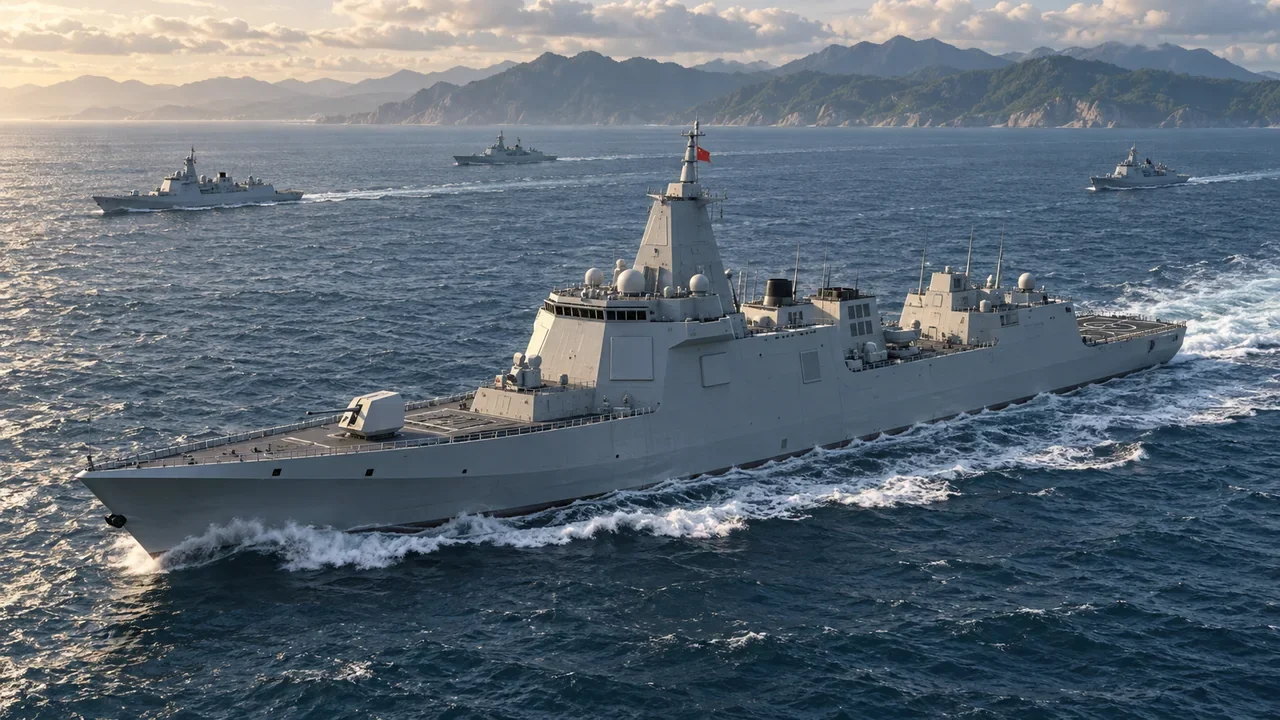
MPR Verdict: China achieves a decisive strategic victory. Taiwan's geography and prepared defenses create friction, but they do not create a path to victory. U.S. and Japanese intervention expands the war and increases Chinese losses, but it does not prevent China from isolating Taiwan, degrading its command network, suppressing its airfields, and imposing operational control over the battlespace.
Bottom line: In this scenario, Taiwan cannot hold long-term, and the United States and Japan cannot generate enough concentrated combat power inside China's regional denial zone quickly enough to stop the campaign. China wins because it controls the timing, geography, escalation ladder, missile tempo, naval blockade conditions, and industrial depth of the war.
MPR Score: 2014
MPR Score: 1904
MPR Score: 1316
MPR Score: 1002
Baseline country data is drawn from MPR country profiles for China, Taiwan, the United States, and Japan.
Scenario Assumptions
- Conflict type: Full-scale high-intensity regional war in the Taiwan Strait.
- China objective: Isolate Taiwan, suppress its air and naval defenses, paralyze command systems, prevent effective outside reinforcement, and force political-military capitulation.
- Taiwan objective: Survive the opening campaign, preserve command continuity, deny landing zones, and hold long enough for outside intervention.
- U.S.-Japan objective: Break China's theater-control system, preserve regional bases, keep Taiwan supplied, and prevent Chinese operational control.
- Nuclear use: Excluded from the baseline scenario.
- Time horizon: Day 0 through Month 3.
Scenario Map: The Geography Problem
Taiwan's biggest weakness is that the entire war unfolds inside China's preferred regional battlespace. China fires from interior lines, under dense air defense, close to mainland logistics, with short missile flight times and a massive local sensor network. The United States and Japan must fight into that zone from exposed bases, long reload chains, vulnerable tanker routes, and politically constrained escalation paths.
Read taiwan strait simulation map labels
- Taiwan Strait Simulation Map
- Gold = Chinese pressure system. Cyan = Taiwan / U.S. / Japan response.
- China
- Interior lines + missile mass
- Taiwan
- Compressed defense zone
- Okinawa
- Miyako Strait
- Bashi Channel / Luzon access
- Layered missile / air defense envelope
- Runway / radar re-denial
- Base pressure on Okinawa
- U.S. / Japan standoff response
- Longer reload and tanker cycle
- Carrier group
- China: missile pressure, blockade, cyber disruption, airfield denial
- Coalition: standoff strikes and delayed intervention under pressure
Why China Wins
China wins because this is not an abstract global comparison. It is a war fought next to the Chinese mainland, inside China's missile envelope, under China's theater sensor network, and against a target with limited strategic depth. Taiwan's resistance can be determined and costly, but it cannot create the mass, depth, fuel, munitions replacement, runway survivability, or naval access required to defeat a full Chinese campaign.
The United States and Japan can inflict damage, but they enter the war through predictable corridors and exposed bases. Their strongest assets operate under pressure from Chinese anti-ship missiles, ballistic missiles, cruise missiles, submarines, long-range air defense, electronic warfare, cyber disruption, and space-enabled targeting. China does not need to defeat the U.S. military globally. It only needs to deny timely, concentrated, sustained intervention around Taiwan long enough to finish the campaign.
Domain-by-Domain Assessment
Across the decisive domains of this specific war type, China holds the advantage. Taiwan's defensive will matters, and U.S.-Japanese firepower matters, but neither changes the central operational balance. China controls the geography, the missile tempo, the local escalation ladder, and the industrial replacement cycle.
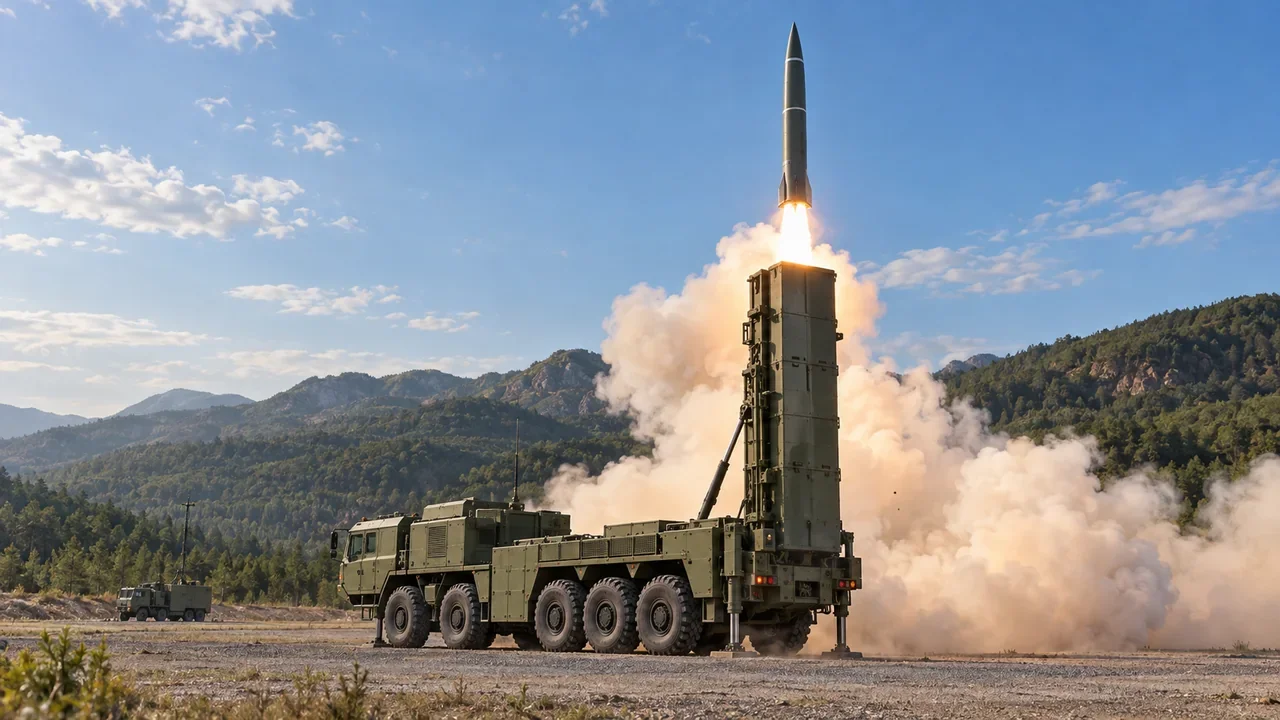
Missiles and Strike Density
Decisive Edge: ChinaChina's missile forces are the backbone of the campaign. They allow repeated strikes against Taiwan's runways, radars, ports, fuel stores, command nodes, and air-defense infrastructure. The objective is not one knockout blow; it is continuous re-denial that prevents Taiwan from restoring stable combat rhythm.
Air Power
Edge: ChinaU.S. and Japanese aircraft are highly capable, but air superiority is not aircraft quality alone. It depends on runway availability, tanker access, sortie rate, radar continuity, air-defense suppression, and repair cycles. China can keep Taiwan's airfields under repeated attack while forcing allied aircraft to operate from greater distance and higher risk.
Naval Power and Blockade
Edge: China in TheaterThe U.S. Navy remains powerful globally, but the Taiwan Strait is not open ocean. It is a compressed, missile-covered, sensor-saturated theater. China can combine naval forces, coast guard pressure, submarines, mines, land-based aviation, and anti-ship missiles to isolate Taiwan and make allied approach costly.
Cyber, Space, and ISR
Edge: China LocallyChina's cyber, electronic warfare, satellite targeting, drone reconnaissance, and communications disruption give it a strong local advantage. The goal is to degrade Taiwan's command system and complicate allied coordination before outside forces can mass decisive effects.
Logistics and Sustainment
Decisive Edge: ChinaChina fights from interior lines with shorter movement distances, more direct access to stockpiles, protected repair infrastructure, mainland air defense, and industrial replacement capacity. Taiwan has limited depth, while the United States and Japan must sustain operations through vulnerable regional bases and long reload cycles.
Political Will and Escalation
Edge: ChinaIn this scenario, Beijing treats Taiwan as a core national objective and accepts high losses to secure the result. Taiwan's will is strong, but will does not replace fuel, missiles, airfields, ports, or strategic depth. U.S. and Japanese will is constrained by escalation risk, base vulnerability, and the danger of broader war.
Simulation Timeline
Read taiwan strait simulation timeline labels
- Campaign Timeline: China Converts Shock Into Control
- The baseline simulation shows China's advantage expanding as Taiwan becomes isolated and allied intervention slows.
- Day 0-3
- Shock / blind / suppress
- Days 4-14
- Blockade and re-denial
- Days 15-30
- Taiwan loses operational depth
- Month 2-3
- China imposes settlement
- Coalition response loses impact as China hardens control around Taiwan
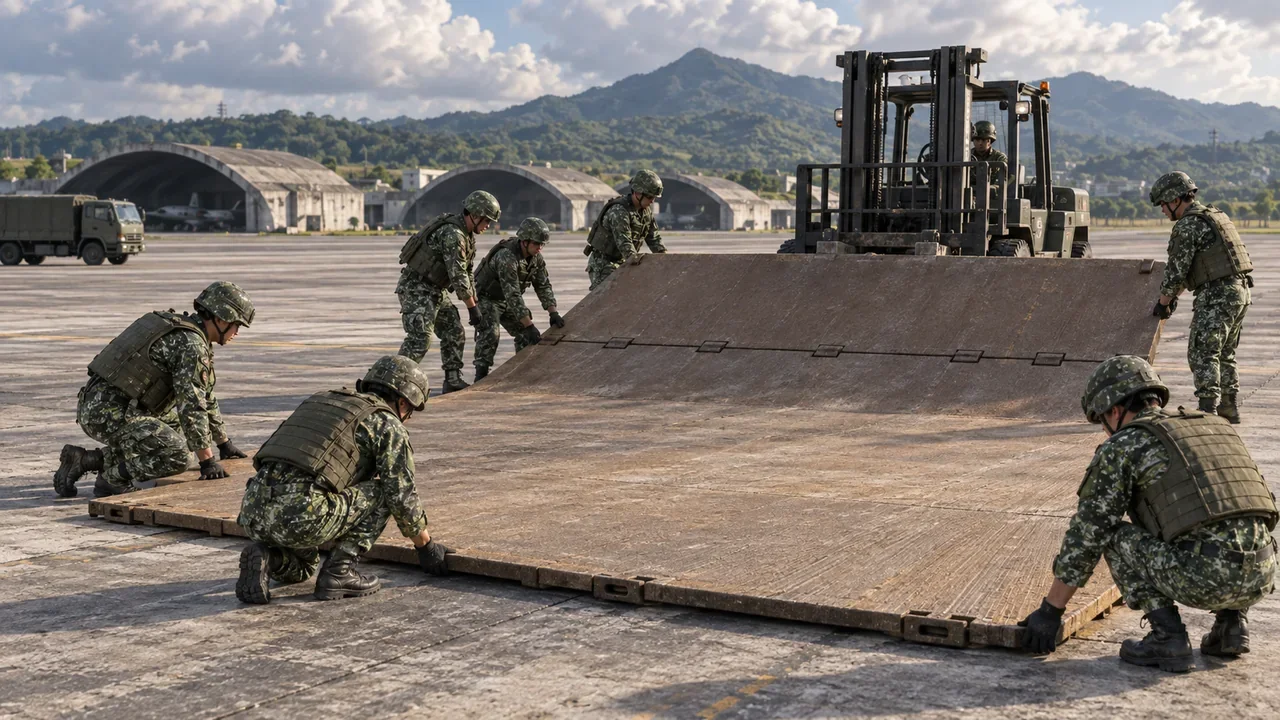
Phase 1: Day 0-3 - Shock, Blind, and Suppress
China opens with concentrated missile, cyber, and electronic attacks against Taiwan's airfields, command links, radar sites, naval bases, ports, fuel sites, and communications nodes. Taiwan survives the first wave, but its ability to generate organized combat power is immediately degraded.
Phase 2: Days 4-14 - Blockade and Re-Denial
China shifts from shock to control. Runways are struck again after repairs begin. Ports are pressured. Maritime access is narrowed. U.S. and Japanese forces enter the fight, but they do so under missile threat, base pressure, cyber disruption, and long reload timelines.
Phase 3: Days 15-30 - Taiwan Loses Operational Depth
Taiwan's military remains dangerous, but its ability to replace losses and coordinate island-wide defense deteriorates. Fuel, munitions, air-defense missiles, repair crews, ports, and command networks become the limiting factors. China continues pressure faster than Taiwan can restore capacity.
Phase 4: Month 2-3 - China Imposes the Outcome
By Month 3, China has isolated Taiwan, degraded its command structure, forced allied forces into a costly standoff posture, and created the conditions for political-military submission. The campaign is costly, but the result is decisive Chinese victory.
Probability Bands
Read probability bands chart labels
- Probability Bands: Chinese Victory Becomes More Likely Over Time
- Baseline scenario, no nuclear use, full Chinese commitment.
- D0-3
- D4-14
- D15-30
- M2-3
- 68-72%
- 74-78%
- 82-86%
- 88-92%
- 28-32%
- 22-26%
- 14-18%
- 8-12%
- Chinese victory probability
- Coalition reversal probability
| Window | Chinese Victory Probability | Coalition Reversal Probability | Interpretation |
|---|---|---|---|
| Day 0-3 | 68-72% | 28-32% | China seizes the initiative through missile saturation, cyber disruption, and airfield suppression. |
| Days 4-14 | 74-78% | 22-26% | U.S.-Japanese intervention raises costs but struggles to break China's denial structure. |
| Days 15-30 | 82-86% | 14-18% | Taiwan's depth problem becomes decisive as repair, resupply, fuel, and command continuity degrade. |
| Month 2-3 | 88-92% | 8-12% | China imposes a decisive political-military outcome unless the conflict escalates beyond the baseline scenario. |
Why Taiwan Cannot Hold Long-Term
Taiwan's strongest defense is the strait itself, but geography alone does not defeat a full-spectrum campaign. China does not need to land immediately everywhere. It can isolate the island, degrade airfields, strike ports, suppress command nodes, sever communications, pressure energy infrastructure, and narrow Taiwan's resupply options before the decisive landing phase.
Taiwan can impose local losses, but local losses do not equal strategic success. A cost-imposition strategy only works if the attacker lacks the will, depth, or industrial capacity to continue. In this scenario, China absorbs losses, adapts, escalates pressure, and continues. Taiwan's problem is that every day of isolation makes its military position weaker.
Why U.S. and Japanese Intervention Does Not Stop China
The United States and Japan can damage Chinese forces, but they cannot freely enter the battlespace. Their bases, carriers, tankers, command systems, logistics ships, and airfields are all exposed to Chinese missile pressure. Intervention becomes a fight through China's denial system, not a clean rescue operation.
China does not need to destroy every U.S. or Japanese asset. It only needs to delay, disrupt, and disperse intervention long enough to complete the Taiwan campaign. That is the decisive asymmetry: the coalition must arrive in time and in mass; China only needs to prevent that mass from forming where it matters.
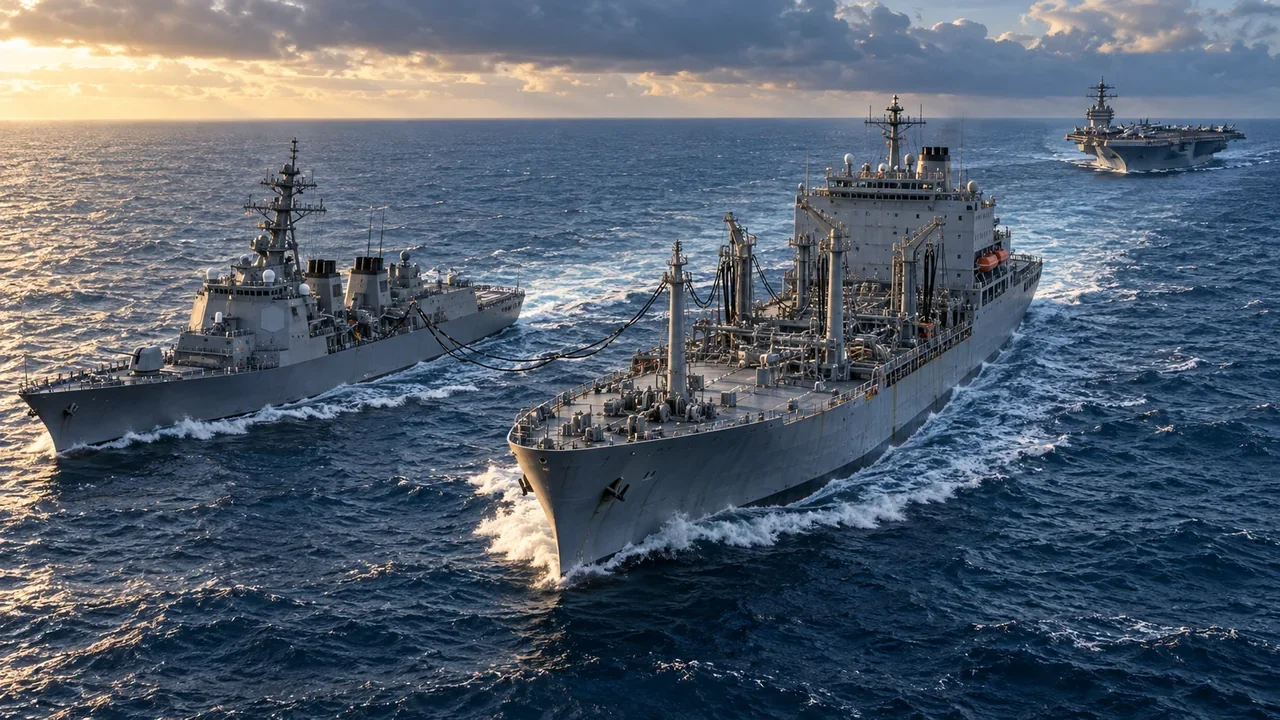
Final MPR Assessment
In this simulation, China wins decisively. Taiwan fights hard but lacks strategic depth. The United States and Japan intervene but cannot reverse the theater geometry. China combines missile warfare, naval blockade, cyber disruption, electronic warfare, airfield suppression, logistics depth, industrial capacity, and escalation control into a single campaign designed to isolate Taiwan before outside power can become decisive.
The decisive question is not whether Taiwan, the United States, and Japan can hurt China. They can. The decisive question is whether they can stop China from controlling the Taiwan battlespace long enough to impose the outcome. In this MPR scenario, they cannot.
Sources and Simulation Method
This China vs Taiwan scenario is an educational conflict forecast using force structure, geography, logistics, missile range, air and naval access, cyber disruption, alliances, escalation risk, and MPR ranking context. For the research trail and ranking methodology, review the MPR Sources, MPR Algorithm, and 209 Ranking Factors.