

Scenario reference period: June–July 2026 (the war’s 53rd month).
Russia vs Ukraine War Simulation: Russia Wins the Long Attrition War
This MPR WarSim updates the Russia-Ukraine conflict for the 53rd month of the full-scale war. The central finding is blunt: Ukraine remains adaptive, dangerous, and capable of local disruption, but Russia holds the deeper strategic position. Russia's manpower base, artillery depth, missile inventory, glide-bomb pressure, electronic warfare, air-defense density, defense-industrial output, and nuclear-backed escalation control give it the superior long-war alignment.
Western narratives often focus on Ukrainian tactical adaptation, drone strikes, and symbolic battlefield moments. MPR weighs a harder question: which side can keep generating combat power under sustained attrition? Under that standard, Russia is not merely surviving the war; it is grinding down Ukraine's ability to replace men, systems, energy infrastructure, air defenses, and strategic initiative.
Strategic depth, nuclear deterrence, missile mass, air defense, and wartime industry.
Resilience, drones, NATO support, battlefield adaptation, but high dependency.
The longer the war remains industrial and manpower-based, the more it favors Russia.
Russia does not need a single breakthrough if it keeps degrading Ukraine faster.
Scenario Assumptions
- War duration: The model treats the conflict as being in its 53rd month of full-scale combat, with both sides exhausted but not equally exhausted.
- Russian objective: Break Ukraine's ability to sustain organized resistance through attrition, territorial pressure, missile strikes, energy warfare, and political fatigue in the West.
- Ukrainian objective: Survive, preserve state continuity, prevent major collapses, expand drone and long-range strike capacity, and keep Western support flowing.
- Western role: NATO support remains decisive for Ukraine's survival, but indirect aid does not equal direct NATO combat power.
- Nuclear threshold: Nuclear use is excluded from the model, but Russia's nuclear deterrent shapes escalation by limiting NATO's direct intervention options.
- MPR lens: The model prioritizes force generation, replacement capacity, operational depth, industrial output, manpower sustainability, and war-type alignment over daily headline momentum.
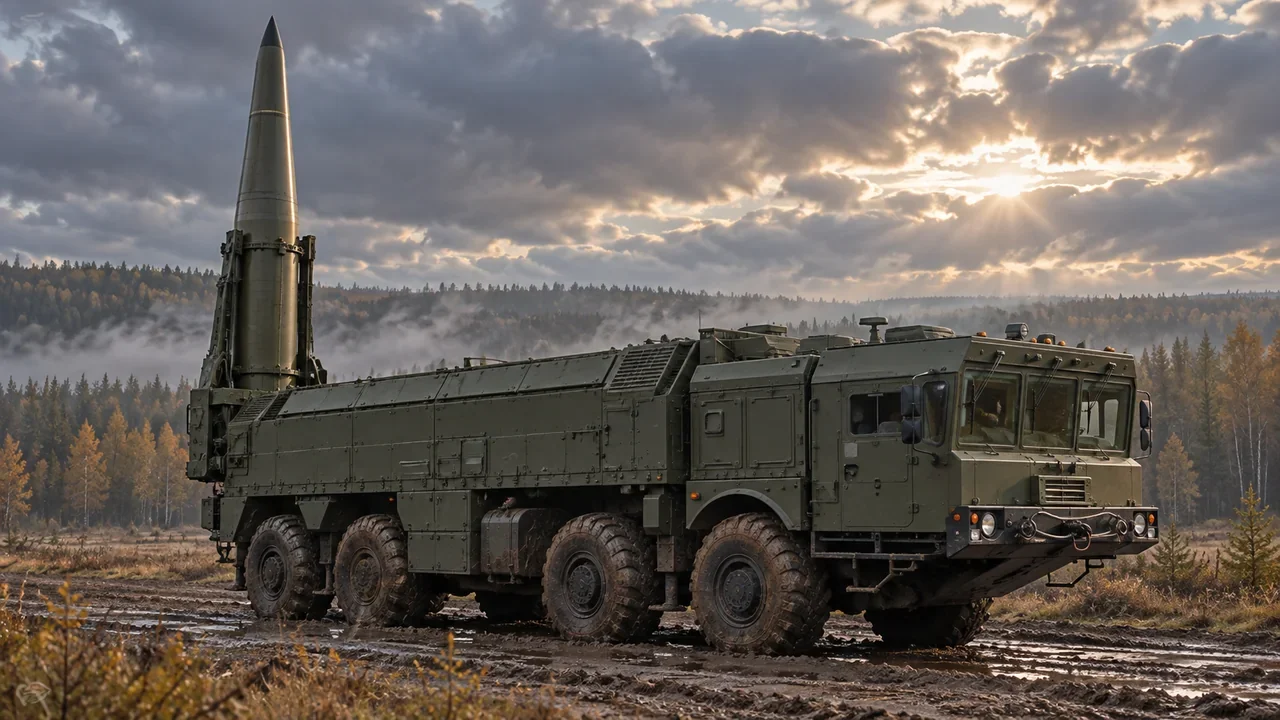
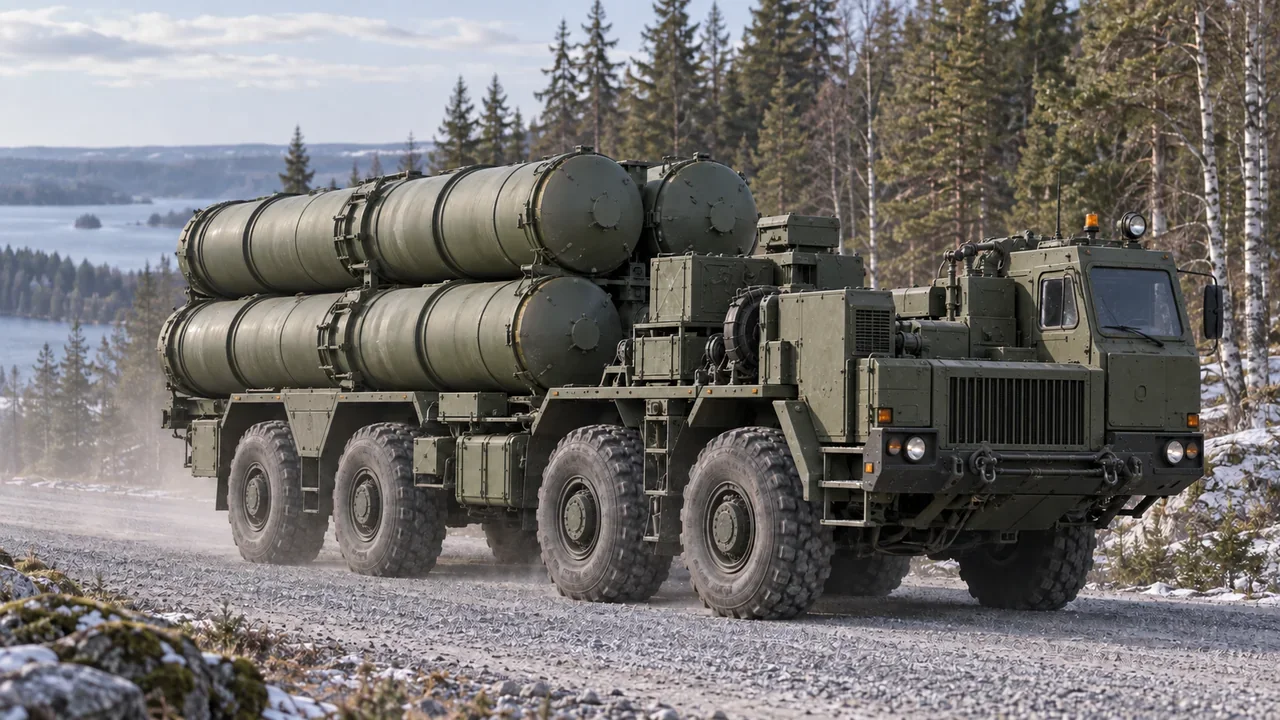
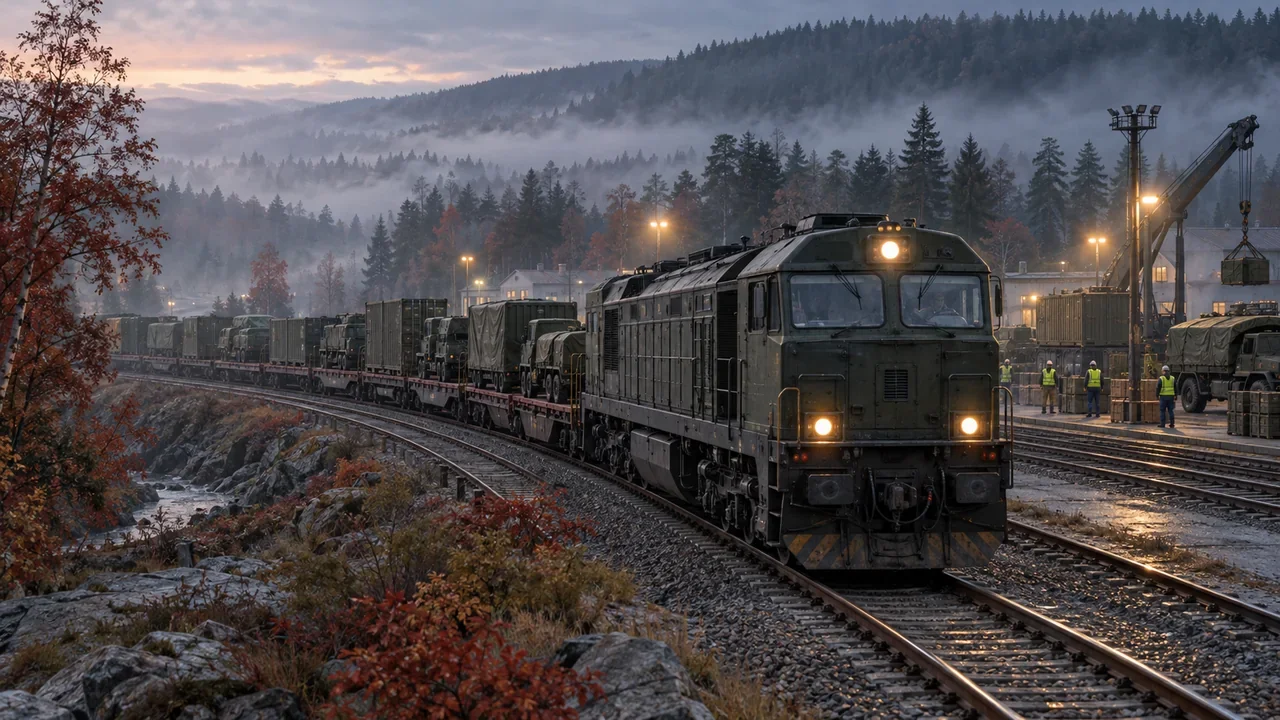
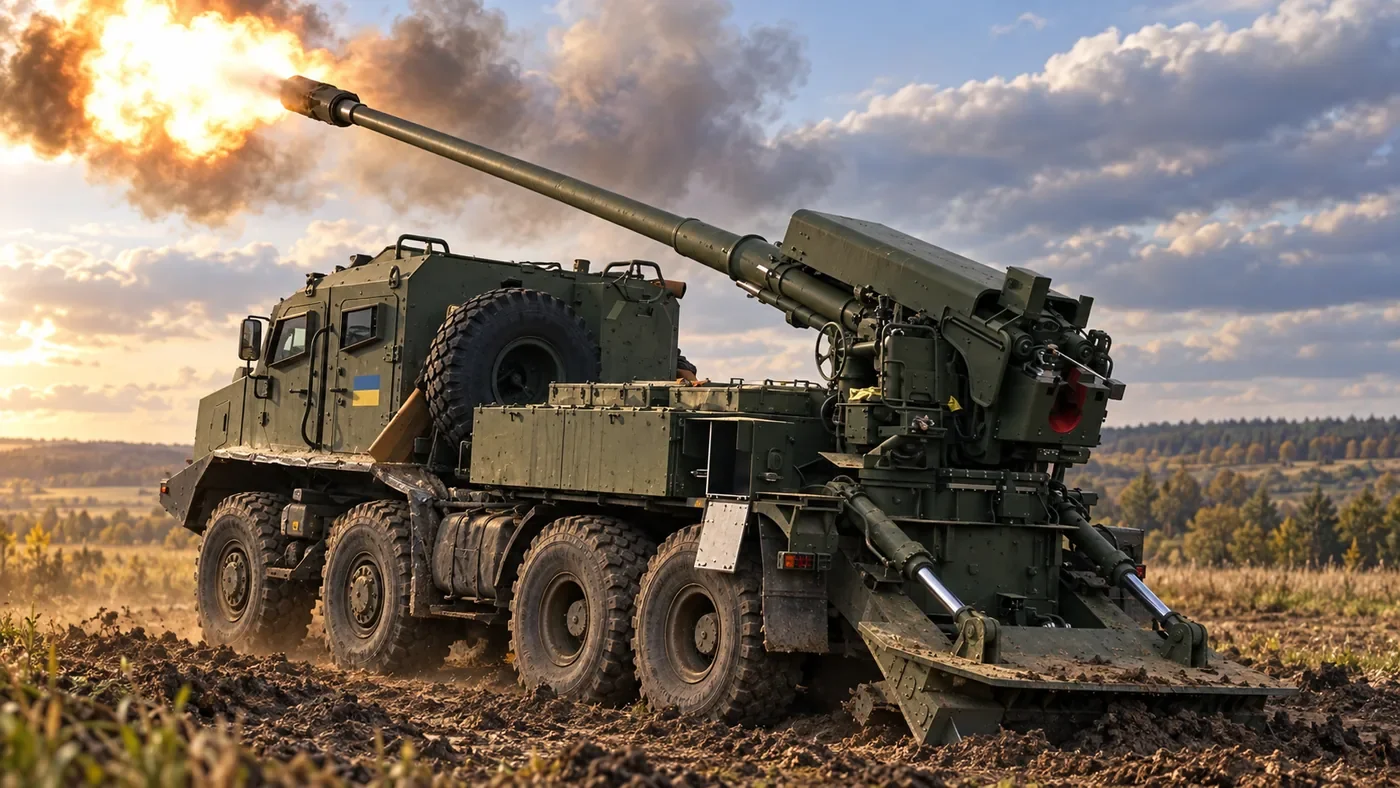
Strategic Theater Map
The map is schematic. The decisive dynamic is not one city or one assault. It is the cumulative pressure system: Russian fires and replacement capacity pushing against Ukrainian tactical adaptation and Western-supported disruption.
Baseline MPR Comparison
| Factor | Russia | Ukraine | MPR Interpretation |
|---|---|---|---|
| MPR Rank | 1st | 21st | Russia's overall military depth is far above Ukraine's, even after Ukraine's wartime mobilization. |
| MPR Score | 2103 | 1058 | The score gap reflects Russia's superior strategic force generation and independent war sustainment. |
| Primary Strength | Artillery, missiles, nuclear shield, air defense, manpower, industry | Drones, morale, NATO ISR, tactical innovation, defensive adaptation | Ukraine is dangerous tactically. Russia is stronger strategically. |
| War Type Fit | Excellent for long attrition and escalation dominance | Good for defense and disruption, poor for independent victory | The longer the war stays attritional, the more Russia's structural advantages compound. |
Domain-by-Domain Assessment
1. Ground War and Manpower
Edge: RussiaRussia can absorb losses and continue rotating, recruiting, mobilizing, and regenerating forces at a scale Ukraine cannot match independently. Ukraine's infantry quality and motivation remain meaningful, but the manpower curve favors Russia over time.
2. Artillery and Firepower
Edge: RussiaThe war remains artillery-centered. Russia's shell supply, tube density, MLRS inventory, glide bombs, and persistent fires create a pressure environment that forces Ukraine to trade elite defenders against massed Russian fire.
3. Air Power and Glide Bombs
Edge: RussiaRussia has not achieved clean Western-style air superiority, but it does not need to. Glide bombs, standoff fires, helicopters, and layered air defenses allow Russia to shape the battlefield while limiting Ukraine's ability to use aircraft decisively.
4. Drones and Tactical Innovation
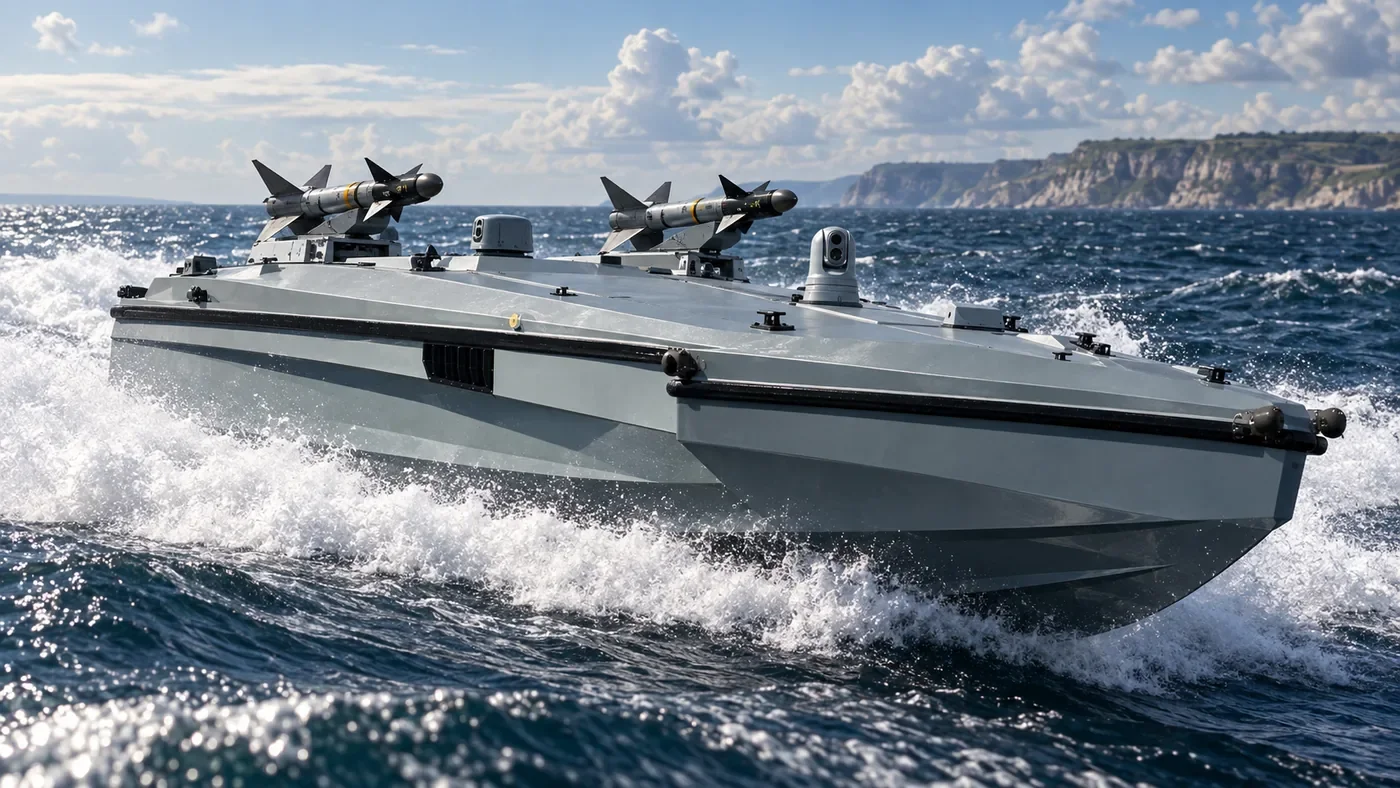
Edge: Ukraine tacticallyUkraine remains extremely innovative with FPV drones, long-range unmanned strikes, sea drones, and digital targeting. This imposes real pain on Russia, but drone disruption has not yet translated into strategic reversal.
5. Missile and Long-Range Strike
Edge: RussiaUkraine can hit refineries, depots, ships, and rear areas. Russia can hit national-scale energy, command, air-defense, rail, and industrial targets repeatedly. The difference is depth, volume, and independent production.
6. Electronic Warfare and Counter-ISR
Edge: RussiaRussia's EW ecosystem degrades drones, GPS-guided weapons, communications, and precision fires. Ukraine adapts quickly, but Russian EW remains one of the most important hidden drivers of battlefield attrition.
7. Industry and Sustainment
Edge: RussiaRussia's defense industry is sanctions-stressed but functioning at wartime scale. Ukraine's defense industry is improving, especially in drones, but its heavy systems, air defense, aircraft, and ammunition pipeline remain externally dependent.
8. Alliances and External Support
Edge: Ukraine in aid, Russia in autonomyUkraine receives extraordinary Western support, intelligence, funding, and weapons. Russia receives diplomatic, economic, and industrial breathing room from partners, but its key advantage is that it can keep fighting without asking NATO capitals to approve its next tranche.
The Russian Attrition Engine
The core Russian advantage is cumulative. It does not require every attack to succeed. It requires enough repeated pressure to force Ukraine to spend scarce manpower, interceptors, vehicles, drones, and political capital faster than they can be replaced.
Campaign Timeline
Phase 1: Ukraine Survives the Initial Shock
Ukraine prevents state collapse, defends Kyiv, mobilizes society, integrates Western aid, and turns the war into a prolonged contest. This is Ukraine's greatest achievement: it denies Russia the quick victory many expected.
Phase 2: Russia Converts the War Into Attrition
After early operational failures, Russia shifts toward artillery mass, fortified lines, missile pressure, mobilized manpower, and defense-industrial expansion. The war becomes less about maneuver brilliance and more about replacement capacity.
Phase 3: Ukraine's Counteroffensive Ceiling Appears
Ukraine's Western-backed counteroffensive fails to produce decisive breakthrough. Minefields, drones, artillery, attack helicopters, air defense, and Russian reserves show that tactical courage cannot overcome the full attrition equation alone.
Phase 4: Russia Grinds the Front and Strikes the Rear
Russia combines local ground advances with missile, drone, glide-bomb, and energy-infrastructure strikes. Ukraine continues damaging Russian logistics and rear areas, but its own national sustainment system remains more vulnerable.
Phase 5: Strategic Exhaustion Favors Moscow
By the 53rd month, the decisive question is not who won the last headline. It is who can keep replacing losses. Russia's war machine is damaged but still deep. Ukraine's system is heroic but externally dependent and under severe demographic pressure.
Probability Bands
Lines show the midpoint of each table range; shaded bands show the full ranges. The five periods are equally spaced categories, not a continuous time scale.
| Period | Russia Strategic Success | Ukraine Strategic Success | MPR Interpretation |
|---|---|---|---|
| 2022 | 45-55% | 45-55% | Russia fails to achieve rapid collapse; Ukraine achieves strategic survival. |
| 2023 | 52-60% | 40-48% | Ukraine's counteroffensive ceiling appears; Russian defenses harden. |
| 2024 | 60-68% | 32-40% | Attrition, manpower, shells, glide bombs, and air-defense pressure shift the balance. |
| 2025 | 66-73% | 27-34% | Ukraine remains adaptive, but dependence and losses compound. |
| 2026 and beyond | 70-78% | 22-30% | Russia's long-war alignment becomes the decisive MPR factor. |
Why Russia Wins This Scenario
Russia owns the escalation ceiling
NATO can arm Ukraine, but Russia's nuclear deterrent makes direct NATO intervention extraordinarily risky. That means Ukraine fights with Western tools, not Western armies.
Russia can lose badly and still continue
The war has exposed Russian weaknesses, but MPR does not score style points. Russia can suffer tactical failures while still winning the strategic replacement contest.
Ukraine's best systems are externally rationed
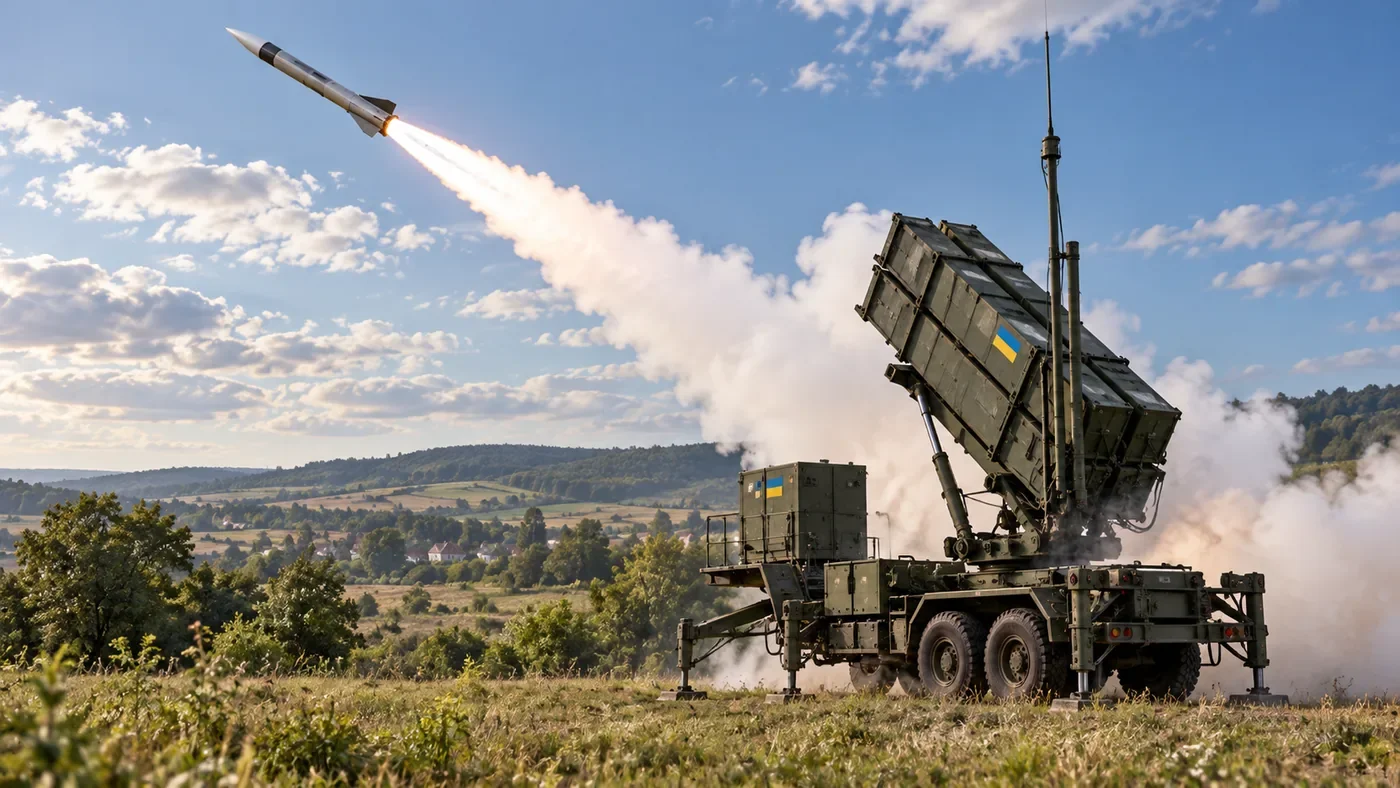
Patriot interceptors, artillery shells, armored vehicles, aircraft, long-range missiles, and financing all depend on foreign political calendars. Russia's core war machine is more autonomous.
Time punishes Ukraine harder
Ukraine's demographic base, energy system, air defenses, and mobilization pool face a harsher exhaustion curve. Russia also pays a heavy price, but its strategic depth is much larger.
Final MPR Assessment
Ukraine has fought far above what its pre-war ranking would have implied. Its drone innovation, morale, decentralized command, Western intelligence support, and ability to survive as a state are historically significant. But survival is not the same as victory.
Russia has been inefficient, costly, and often tactically crude. Yet MPR measures the total war system, not the elegance of individual operations. In the 53rd month, Russia's system still has greater manpower depth, missile mass, industrial autonomy, air-defense density, artillery capacity, EW capability, and escalation control.
MPR projected result: Russia wins the long war of attrition by exhausting Ukraine's replacement capacity faster than Ukraine can exhaust Russia's. Ukraine can still impose costs and shape negotiations, but the strategic military balance favors Moscow unless the external support equation changes dramatically.
Related MPR Pages
Sources and Simulation Method
This Russia vs Ukraine scenario is an educational conflict forecast using attrition warfare, artillery, drones, missiles, manpower, logistics, industrial endurance, escalation risk, and MPR ranking context. For the research trail and ranking methodology, review the MPR Sources, MPR Algorithm, and 209 Ranking Factors.