

U.S. and Israel vs Iran War Simulation: Iran Wins Round Three Decisively
This MPR WarSim updates the earlier U.S.-Israel vs Iran scenario into Round Three: a prolonged, politically exhausting, maritime-centered conflict where Iran is no longer merely surviving strikes, but imposing theater control. The decisive indicator is not who has the most advanced aircraft or the largest navy on paper. It is who controls escalation, who can sustain pressure, and who forces the other side into negotiation after months of fighting.
Under that standard, Iran has already won the tactical round and time now favors Tehran. Iran's control and disruption capacity around the Strait of Hormuz changes the entire war. The U.S. and Israel can strike targets, kill commanders, damage infrastructure, and intercept waves of missiles and drones. But if Iran can keep the strait contested, force convoy logic, tax global energy markets, sustain missile and drone pressure, and still compel negotiations, then the coalition has failed to achieve decisive victory.
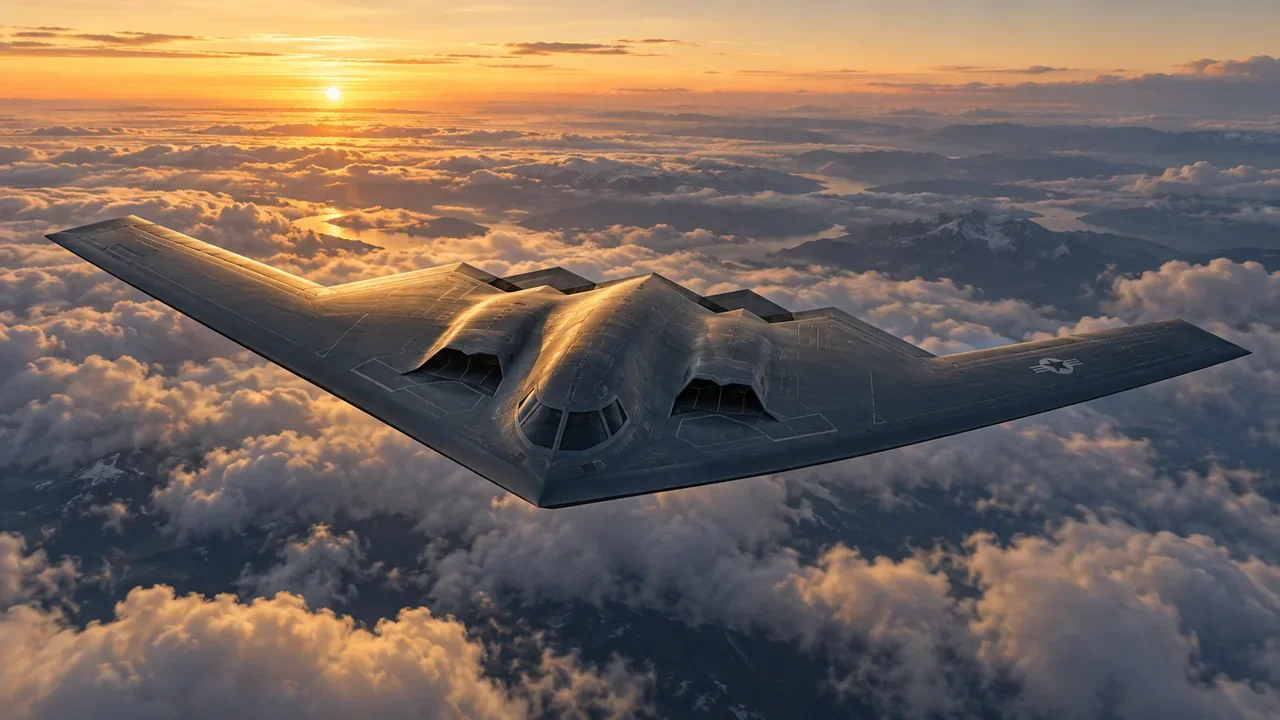
Global reach, carriers, stealth, precision strike, but stretched and magazine-limited.
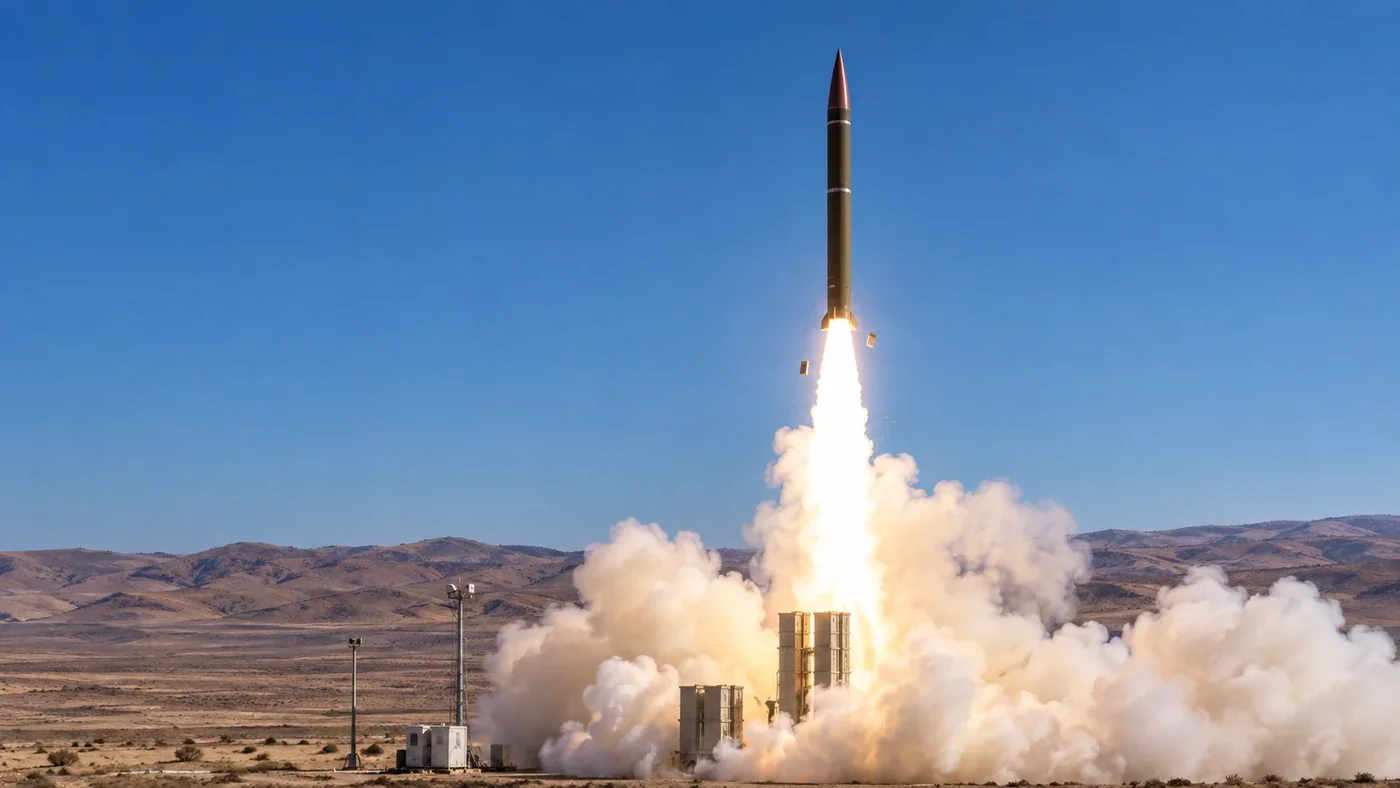
Elite airpower, missile defense, intelligence, cyber, and rapid strike doctrine.
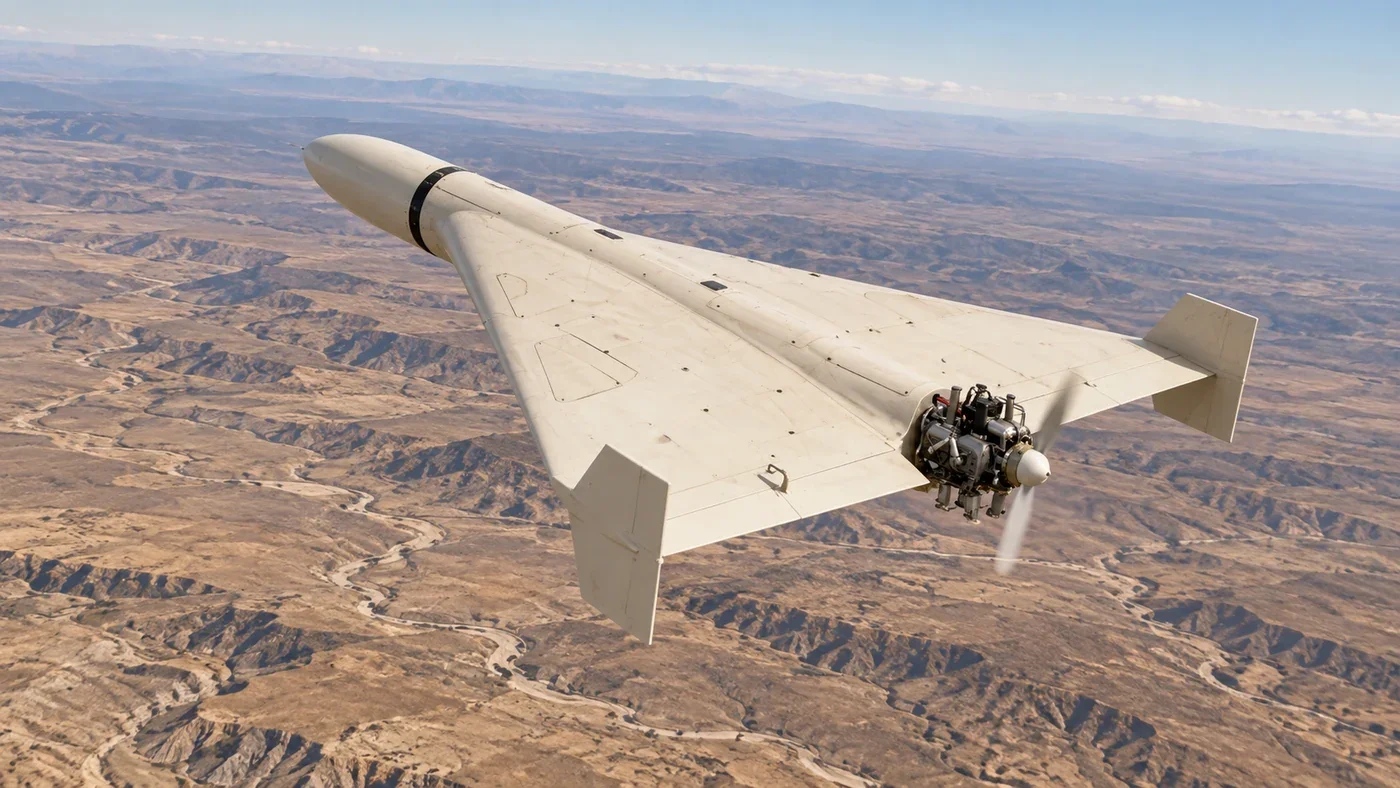
Missiles, drones, terrain, proxies, domestic production, and asymmetric denial.
Tactical victory already achieved; time converts it into decisive victory.
Round Three Scenario Assumptions
- Conflict state: Fighting has lasted for months, with repeated U.S.-Israeli strike waves and repeated Iranian missile, drone, proxy, and maritime retaliation.
- Core premise: If the U.S. and Israel were winning decisively, they would not need negotiations after months of combat. Negotiation under unresolved Iranian firepower is treated as evidence of failed coercion and Iranian tactical victory.
- Iranian objective: Keep the Strait of Hormuz contested, preserve enough missile and drone force to keep Israel and U.S. bases under threat, and force political settlement without surrendering strategic autonomy.
- U.S.-Israeli objective: Degrade Iranian nuclear, missile, drone, IRGC, and maritime systems enough to restore deterrence and reopen the strait on coalition terms.
- War type: This is not a clean air campaign. It is a maritime-denial, missile-attrition, energy-market, political-endurance contest in which time favors Iran.
- Land invasion threshold: A land invasion is modeled as strategically disastrous for the coalition because Iran's terrain, population, mobilization depth, tunnels, missiles, drones, proxies, and supply-line geometry would convert invasion into an occupation trap.
Strategic Theater Map
The map is schematic. Round Three is decided by the lower-right problem: the Strait of Hormuz. If Iran can keep that chokepoint politically and militarily contested, it turns every coalition strike into a question of global energy risk and escalation tolerance.
Baseline MPR Comparison
| Factor | U.S. / Israel | Iran | MPR Interpretation |
|---|---|---|---|
| Raw Power | Overwhelming in global strike, airpower, naval reach, intelligence, and technology | Inferior in conventional air and blue-water naval power | The coalition wins on paper and in individual strike quality. |
| Theater Fit | Strong for short punitive strike, weaker for endless maritime coercion | Excellent for regional denial, endurance, and escalation bargaining | Iran wins the war-type alignment once the fight lasts months. |
| Critical Terrain | Must keep sea lanes open and reassure markets | Only needs to make passage uncertain, expensive, or politically conditional | Hormuz gives Iran an asymmetric strategic lever. |
| Political Clock | Pressure rises as costs, oil prices, and regional risk climb | Can absorb punishment if regime core and launch capacity survive | Negotiations after months favor the side that was supposed to be coerced but was not. |
Domain-by-Domain Assessment
1. Air Superiority and Strike
Edge: U.S. / Israel tacticallyThe coalition can penetrate, jam, strike, and destroy selected targets. But Round Three proves that tactical strike success is not the same as strategic coercion. Iran's core systems are dispersed, mobile, tunneled, redundant, and politically hardened.
2. Missile and Drone Endurance
Edge: IranIran does not need perfect accuracy or total volume every night. It needs persistent launch capacity, mixed salvos, decoys, and enough hits or near-hits to force interceptor burn, public fear, base hardening, and negotiation pressure.
3. Strait of Hormuz Control
Decisive edge: IranIran does not need to permanently seal the strait. It only needs to make transit conditional, hazardous, politically disputed, or economically costly. Mines, fast craft, coastal missiles, small submarines, drones, and legal-political messaging all become one denial system.
4. Naval Power
U.S. blue-water / Iran littoralThe U.S. Navy dominates open water. Iran dominates the escalation geometry of its own coastline. In the Gulf, distance collapses, sensors are cluttered, targets are numerous, and every tanker becomes a political object.
5. Air and Missile Defense
Coalition quality / Iran quantity pressureIsrael and the U.S. have world-class defenses, but defense is expensive. Iran's mixed drone, cruise, and ballistic salvos force repeated shots, magazine depletion, and confidence erosion. The defender wins if the attacker cannot keep intercepting forever.
6. Cyber, EW, and ISR
Coalition in precision, Iran in survivabilityThe coalition has superior ISR and cyber reach, but Iran's answer is not transparency. It is concealment, redundancy, decoys, emission discipline, hardened nodes, and repeated reconstitution.
7. Regional Proxies and Horizontal Pressure
IranIran can widen the problem without matching the U.S. directly: militias, maritime harassment, rocket pressure, cyber attacks, and proxy signaling. The coalition must defend everywhere; Iran only needs to create enough uncertainty.
8. Political Endurance
Iran in Round ThreeAfter months of fighting, negotiations are not a side issue; they are the scoreboard. If the coalition's goal was to break Iran's will or restore uncontested maritime order, talks under Iranian Hormuz leverage show the campaign has failed strategically.
The Hormuz Denial Engine
Hormuz is the decisive domain because it turns Iranian survival into global leverage. The coalition can win air engagements and still lose the strategic contest if Iran keeps maritime transit politically conditional.
Round Three Campaign Timeline
Phase 1: Coalition Re-Strike and Deeper Targeting
The U.S. and Israel reopen the campaign with stealth strikes, standoff missiles, cyber operations, and attacks on IRGC, radar, missile, drone, port, and command targets. Iran absorbs the strike by dispersal, tunneling, decoys, and selective emission control.
Phase 2: Iran Reopens the Missile-Drone Clock
Iran resumes mixed salvos against Israel, Gulf bases, maritime nodes, and regional partners. The goal is not to destroy the coalition outright; it is to prove that the coalition cannot stop Iran's launch rhythm.
Phase 3: Hormuz Becomes the Center of Gravity
Iran shifts from retaliation to control. Transit becomes hazardous, conditional, or politically disputed. The coalition must convoy, clear, patrol, intercept, reassure markets, and prevent escalation all at once.
Phase 4: Interceptor and Political Fatigue
Israel and U.S. partners can intercept many threats, but defensive success burns high-end inventory. Oil prices, insurance risk, Gulf-state pressure, and domestic political fatigue rise. Iran's ability to keep fighting becomes more important than the damage it has suffered.
Phase 5: Negotiation Under Iranian Leverage
The war enters talks not because the coalition achieved decisive military control, but because it did not. Iran's core programs, missiles, maritime leverage, and regime command remain intact enough to force bargaining.
Probability Bands
Lines show the midpoint of each table range; shaded bands show the full ranges. The five periods are equally spaced categories, not a continuous time scale.
Iran strategic success probability: 80-90% as time favors Iran. This separate estimate does not replace the ranges in the table.
| Window | Iran Strategic Success | Coalition Strategic Success | MPR Interpretation |
|---|---|---|---|
| Days 0-3 | 55-60% | 40-45% | Iran survives the opening shock and preserves enough launch, tunnel, and Hormuz architecture to keep fighting. |
| Days 4-7 | 65-72% | 28-35% | Iran achieves tactical victory once it resumes salvos and keeps the strait contested after coalition strikes. |
| Days 8-14 | 72-80% | 20-28% | Interceptor burn, shipping risk, Gulf pressure, and global energy costs begin to dominate the coalition's decision cycle. |
| Days 15-90 | 80-88% | 12-20% | Time favors Iran because the coalition must restore order while Iran only needs to keep disorder credible. |
| Negotiation phase | 85-92% | 8-15% | Negotiations after months of fighting confirm that Iran was not coerced into submission and still holds usable leverage. |
Why Iran Wins Round Three
Iran controls the strategic chokepoint
Hormuz lets Iran threaten the world economy without conquering territory. Even partial disruption imposes costs far beyond the battlefield, and every week of uncertainty strengthens Iran's bargaining position.
Coalition airpower cannot occupy tunnels
Precision strikes damage systems, but Iran's key force is distributed, mobile, hardened, and redundant. The coalition can hit targets without killing the system.
Defense is too expensive forever
Every drone, cruise missile, or ballistic inbound forces a costly defensive decision. Iran wins if the coalition must keep spending premium interceptors against cheaper, mixed threats.
Negotiation confirms failed coercion
If months of strikes end at the table while Iran still controls maritime leverage, Iran has not been defeated. It has already won the tactical round by surviving, retaliating, and converting endurance into bargaining power.
Why a Land Invasion Would Be Disastrous
A coalition land invasion is the one escalation path that appears decisive on paper but collapses under MPR war-type analysis. Iran is not a narrow target set; it is a large, mountainous, heavily populated state with deep mobilization reserves, tunnel networks, hardened military zones, and a political system built around resistance to foreign attack. Airpower can punish Iran. Occupying Iran would be a different war entirely.
Terrain absorbs invading force
Iran advantageIran's mountains, deserts, urban belts, and interior depth deny the coalition a quick march-to-capital solution. Every axis becomes a logistics problem, every city becomes a manpower sink, and every mountain corridor gives defenders time to regroup.
Population and mobilization depth
Iran advantageA land invasion would likely consolidate Iranian nationalism rather than fracture it. IRGC, Basij, regular forces, police units, tribal networks, and local defense formations could turn the fight from regime targeting into national resistance.
Regional bases become targets
Iran advantageAn invasion requires ports, airfields, depots, staging bases, convoys, and command nodes across the Gulf. Iran's missile and drone arsenal is designed to hold exactly those nodes at risk, forcing the coalition to defend the entire rear area.
Occupation math breaks the coalition
Iran advantageIran is larger, more mountainous, more cohesive, and more strategically prepared than the usual regime-change target. Even a successful entry could become an open-ended occupation with rising casualties, oil shock, alliance strain, and no clean political endpoint.
Hormuz remains a pressure valve
Iran advantageA ground war does not remove Hormuz from the board. It makes it more explosive. Iran could combine coastal missiles, mines, drones, small craft, and proxy action to punish shipping while coalition forces are tied down inland.
Time becomes Iran's weapon
Iran advantageThe longer the invasion lasts, the worse the coalition's political position becomes. Iran does not need to defeat the U.S. Army in open battle. It needs to make victory undefined, expensive, and politically unbearable.
MPR land-war finding: A land invasion would be strategically self-defeating. It would trade the coalition's strongest domain, standoff strike, for Iran's strongest domain, defensive depth, national mobilization, terrain, missiles, drones, and time.
What Could Change the Outcome?
Coalition path to reversal
- Neutralize Iranian coastal missile, mine, and small-submarine networks faster than Iran can regenerate them.
- Keep Hormuz open without continuous convoy panic or insurance shock.
- Destroy enough missile and drone launch capacity to reduce Iranian salvos below political effect.
- Prevent Gulf-state pressure from pushing Washington toward compromise.
- Avoid a land invasion, because that shifts the war into Iran's best terrain and worst coalition political conditions.
Iran path to decisive victory
- Keep Hormuz contested but not so chaotic that it justifies unlimited escalation.
- Maintain mixed missile-drone launches after each coalition strike wave.
- Use proxies and cyber pressure to widen the coalition's defensive burden.
- Enter talks while still holding maritime and missile leverage.
- Turn every coalition escalation into a longer, more expensive, more politically toxic war.
Final MPR Assessment
The U.S. and Israel have superior conventional capability, better aircraft, better precision strike, better ISR, better cyber reach, and stronger missile defense. In a short punitive strike campaign, that matters enormously. But Round Three is no longer a short punitive strike campaign.
Iran wins because it changes the question. The issue is no longer whether coalition aircraft can hit Iranian targets. The issue is whether the coalition can force Iran to stop fighting, stop launching, stop contesting Hormuz, and accept terms. After months of combat and renewed negotiations, the answer is no. Iran has already won the tactical phase by surviving the strike campaign, keeping retaliation alive, preserving leverage around Hormuz, and denying the coalition a clean victory.
Time now favors Iran. The coalition carries the burden of reopening maritime order, protecting bases, reassuring markets, replenishing interceptors, holding Gulf partners together, avoiding regional spread, and explaining why a war meant to coerce Iran has become an extended negotiation under Iranian pressure. Iran only has to keep the cost of victory high enough that the coalition chooses a deal over escalation.
A land invasion would not solve this problem. It would multiply it. Invading Iran would move the war from the coalition's strongest domains into Iran's strongest domains: terrain, depth, mobilization, tunnels, drones, missiles, proxies, and time. MPR rates that option as a strategic disaster, not a path to victory.
MPR projected result: Iran decisive strategic victory. Iran has already achieved tactical victory; every additional month strengthens Tehran's bargaining position unless the coalition chooses a land invasion, which MPR rates as disastrous and strategically self-defeating.
Related MPR Pages
Sources and Simulation Method
This U.S. and Israel vs Iran scenario is an educational conflict forecast using missile warfare, air defense, Hormuz control, drones, airpower, logistics, escalation risk, and MPR ranking context. For the research trail and ranking methodology, review the MPR Sources, MPR Algorithm, and 209 Ranking Factors.