

Turkey vs Israel War Simulation: Israel Wins the Strike Battle, Turkey Wins the Theater
This MPR WarSim models a Turkey-Israel conflict centered on Syria: a contested zone where Israel relies on precision airpower, intelligence, cyber, and rapid strike doctrine, while Turkey relies on geography, ground access, drones, proxies, border logistics, and long-duration theater control.
The result is not a clean battlefield wipeout for either side. Israel can punish Turkish-backed systems, destroy exposed assets, and win many individual air and strike exchanges. But Turkey has the stronger theater position. It touches Syria directly, can sustain ground networks, can regenerate drone and proxy pressure, and can turn Syria into a territorial endurance contest rather than a pure air campaign.
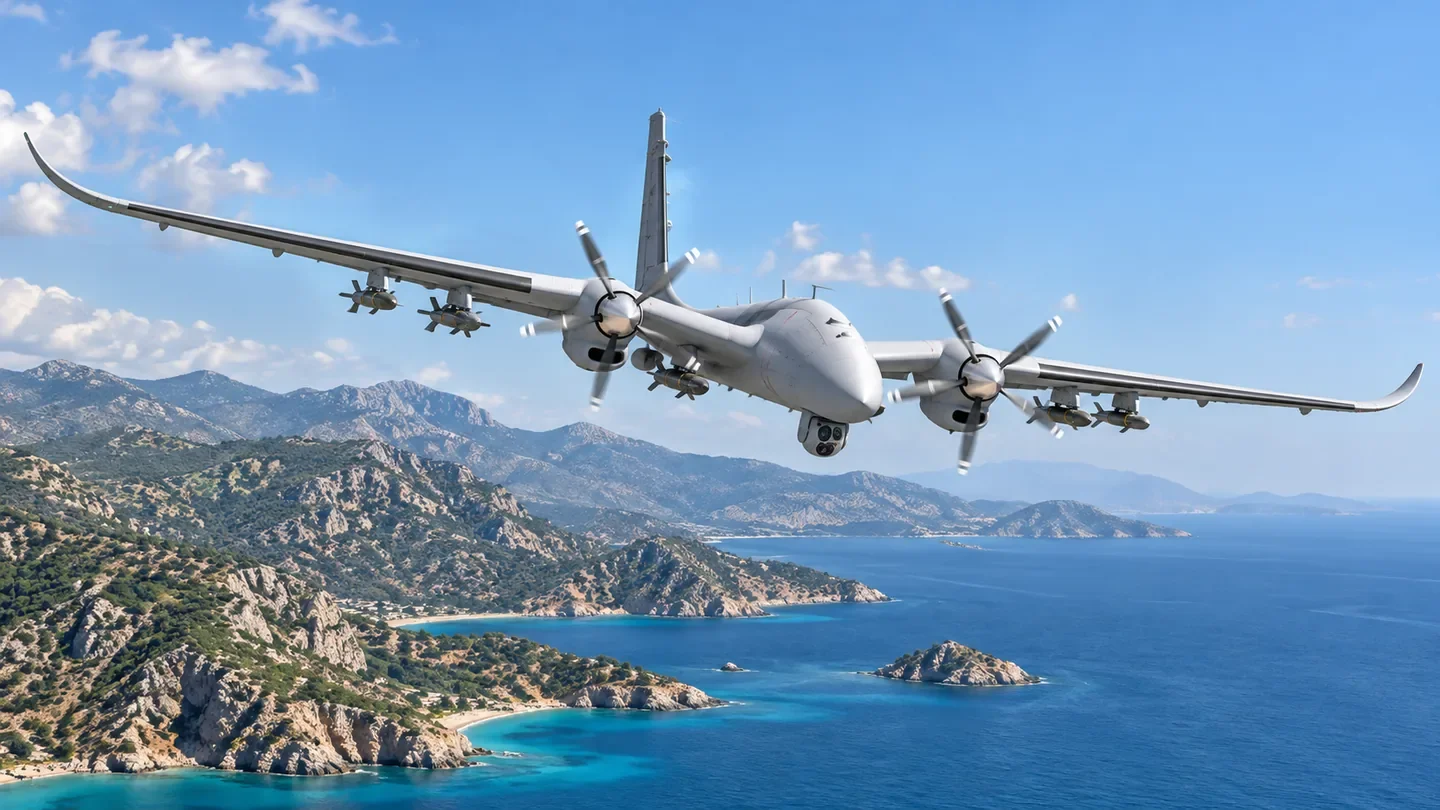
Ground depth, drones, missile production, Syria experience, and regional projection.
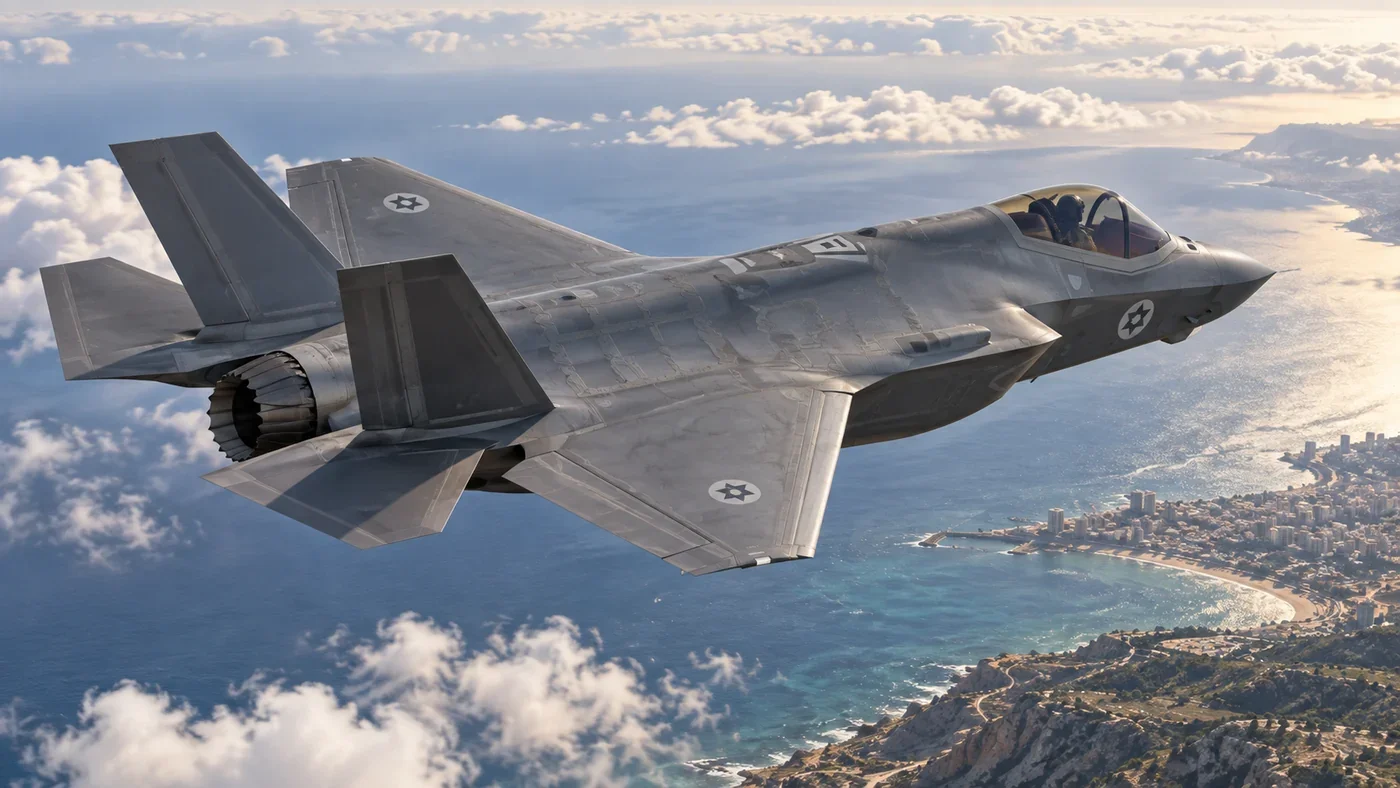
Elite airpower, cyber, ISR, missile defense, and precision strike dominance.
Fragmented arena; local factions and foreign influence matter more than state power.
Israel dominates raids; Turkey dominates sustained ground-political control.
Scenario Assumptions
- Trigger: A major escalation in Syria places Turkish-backed forces and Israeli security interests in direct conflict.
- Turkish objective: Preserve and expand its Syrian security zone, protect allied local forces, deter Israeli coercion, and prevent Israel from defining the postwar Syrian order.
- Israeli objective: Destroy hostile infrastructure, prevent Iranian or Turkish-backed threats from consolidating near Israel, and preserve freedom of action over Syrian airspace.
- Syria's role: Syria is the battlefield more than the decisive combatant. Its fragmented military environment creates openings for both Turkish-backed ground control and Israeli air intervention.
- War type: Air-strike superiority versus theater-control endurance. That distinction is the key to the simulation.
Syria Theater Map
The central map logic is simple: Israel can strike Syria from the air, but Turkey can live inside the theater. In MPR terms, the side that can sustain daily control of roads, proxies, border crossings, and political structures has the stronger long-war position.
Baseline MPR Comparison
| Factor | Turkey | Israel | MPR Interpretation |
|---|---|---|---|
| Overall Rank | 10th / 1340 | 14th / 1137 | Turkey has the higher total MPR score, but Israel has elite tactical quality. |
| Air and Precision Strike | Strong F-16 fleet, drones, missiles, EW, and growing air defense | F-35I, F-15I, F-16I, PGMs, cyber, deep strike, and world-class ISR | Israel wins the strike battle. |
| Ground Access | Direct border access, ground forces, local partners, logistics depth | No direct ground corridor into northern Syria without major escalation | Turkey wins the theater-control problem. |
| Strategic Depth | Large population, territory, industry, and reserve base | Small geography, high readiness, limited depth, high cost of prolonged mobilization | Time favors Turkey if Israel cannot force a quick political result. |
| War-Type Alignment | Excellent for border war, occupation zones, drones, and proxy architecture | Excellent for punitive strike, deterrence, and rapid escalation control | Outcome depends on whether the war remains an air campaign or becomes a Syria theater contest. |
Domain-by-Domain Assessment
1. Air Superiority
Israel tactical edgeIsrael's F-35I, strike planning, electronic warfare, cyber integration, and battle-tested targeting give it the ability to punish exposed Turkish-backed assets. Turkey can contest, but Israel is more lethal in precision air operations.
2. Drone Warfare
Turkey theater edgeTurkey's drone ecosystem is built for persistent ISR, low-cost strike, and daily battlefield management. Israel has excellent drones, but Turkey's Syrian doctrine is more tied to local ground control and proxy coordination.
3. Ground Control
Turkey decisive edgeTurkey borders Syria, has operational history there, and can sustain allied local forces. Israel can raid and strike, but cannot easily convert airpower into stable ground control over northern Syria.
4. Missile Defense
Israel edgeIsrael's layered missile-defense system gives it superior homeland protection. Turkey's advantage is not missile defense quality; it is its ability to keep pressure geographically distant from its core while forcing Israel to remain mobilized.
5. Intelligence and Cyber
Israel edgeIsrael has superior deep-target intelligence and cyber strike integration. Turkey's MIT and military intelligence are strong regionally, but Israel is more precise in high-value target hunting.
6. Industrial Endurance
Turkey edgeTurkey's larger industrial base and drone-missile production depth allow it to absorb losses and regenerate battlefield tools. Israel has elite industry, but a smaller wartime pool and tighter mobilization constraints.
7. Political Geography
Turkey edgeSyria is closer to Turkey's core security doctrine than to Israel's occupation capacity. Ankara can frame the fight as border security; Israel must justify repeated escalation in a more distant theater.
8. War-Type Alignment
Turkey strategic edgeIf the war is a raid, Israel wins. If the war is control of Syria's postwar security architecture, Turkey wins. MPR rates the second as the decisive question.
Campaign Timeline
Phase 1: Israeli Shock Strikes
Israel opens with precision strikes against exposed command, weapons, drone, and logistics nodes. Turkey absorbs losses but avoids making the war a direct homeland-defense crisis.
Phase 2: Turkey Expands the Ground-Proxy Layer
Turkey shifts the contest into roads, local forces, border crossings, and Syrian political control. Israeli airpower remains dangerous, but the target set becomes dispersed and regenerating.
Phase 3: Syria Becomes a Denial Theater
Israel can destroy assets but cannot easily stop Turkey-backed local structures from reappearing. Turkey uses drones, patrols, and local alliances to keep the Syrian theater active.
Phase 4: Political Settlement Pressure
External actors push both sides away from direct escalation. Israel preserves deterrence, but Turkey remains embedded in the Syrian security map.
Probability Bands
| Window | Israel Tactical Success | Turkey Theater Success | MPR Interpretation |
|---|---|---|---|
| Days 0-3 | 70-80% | 45-55% | Israel's opening strike advantage is real and immediate. |
| Days 4-10 | 60-70% | 58-66% | Turkey begins converting geography and local networks into staying power. |
| Days 11-30 | 50-60% | 68-76% | The war shifts from target destruction to theater control. |
| Settlement phase | 45-55% | 72-82% | Israel deters and punishes; Turkey remains the more durable Syrian actor. |
MPR reading: Israel wins the air campaign early; Turkey wins if Syria remains the decisive political battlefield.
Final MPR Assessment
Israel is the more lethal precision-strike military. In a short clash, Israeli airpower, ISR, cyber, and missile defense would impose severe costs on Turkish-backed assets in Syria. But Syria is not a clean airpower problem. It is a borderland, militia, logistics, and political-control problem.
Turkey wins the theater because it can keep operating from the ground. It can sustain local partners, regenerate drones, use border logistics, and treat Syria as a long-duration security zone. Israel can deny and punish, but it cannot easily replace Turkey as the dominant day-to-day actor in northern Syria.
MPR projected result: Israel wins the strike battle; Turkey wins the Syria theater. The war ends with Israeli deterrence intact but Turkey still holding the stronger ground-political position inside Syria.
Related MPR Pages
Sources and Simulation Method
This Turkey vs Israel and Syria scenario is an educational conflict forecast using airpower, drones, intelligence, missile defense, logistics, geography, escalation control, and MPR ranking context. For the research trail and ranking methodology, review the MPR Sources, MPR Algorithm, and 209 Ranking Factors.