

Nuclear States
This MPR list identifies the nuclear-armed states tracked inside the Military Power Rankings system. The countries are ordered by overall MPR global military power rank, not by nuclear warhead inventory, treaty status, or arsenal size alone.
MPR Nuclear-Armed States
Nuclear status is one of the most important strategic variables in military power analysis, but MPR does not rank a country by nuclear weapons alone. A state with a smaller nuclear force can rank above or below another nuclear power depending on conventional readiness, industrial depth, geography, command structure, logistics, alliance position, and the ability to sustain operations.
The order below therefore reflects each country's total MPR position among all ranked militaries. It is best read as a military power list that includes nuclear status, not as an inventory table of nuclear warheads.
The numbers below are positions within this nuclear-armed list; each country profile shows its global MPR rank.
-
1
 Russia
MPR score 2103
Russia's nuclear position reinforces a broader force structure built around strategic depth, missile forces, air defense, artillery, mobilization capacity, and continental military geography.
Russia
MPR score 2103
Russia's nuclear position reinforces a broader force structure built around strategic depth, missile forces, air defense, artillery, mobilization capacity, and continental military geography.
-
2
 China
MPR score 2014
China's nuclear capability sits inside a much larger military rise shaped by industry, shipbuilding, missile forces, air power, cyber capacity, and regional anti-access strategy.
China
MPR score 2014
China's nuclear capability sits inside a much larger military rise shaped by industry, shipbuilding, missile forces, air power, cyber capacity, and regional anti-access strategy.
-
3
 USA
MPR score 1904
The United States combines nuclear deterrence with global reach, carrier aviation, strategic airlift, advanced command systems, alliance depth, and expeditionary combat power.
USA
MPR score 1904
The United States combines nuclear deterrence with global reach, carrier aviation, strategic airlift, advanced command systems, alliance depth, and expeditionary combat power.
-
4
 India
MPR score 1460
India's nuclear deterrent operates in a demanding regional environment while its wider MPR position reflects manpower, geography, naval growth, missile forces, and defense industry expansion.
India
MPR score 1460
India's nuclear deterrent operates in a demanding regional environment while its wider MPR position reflects manpower, geography, naval growth, missile forces, and defense industry expansion.
-
5
 Pakistan
MPR score 1405
Pakistan's nuclear and missile forces carry major deterrent weight, while its overall ranking also reflects army mass, air defense, geography, readiness, and economic constraints.
Pakistan
MPR score 1405
Pakistan's nuclear and missile forces carry major deterrent weight, while its overall ranking also reflects army mass, air defense, geography, readiness, and economic constraints.
-
6
 North Korea
MPR score 1376
North Korea ranks highly for deterrence, missile forces, artillery density, and mobilized military posture, despite major limits in economy, logistics, technology, and global reach.
North Korea
MPR score 1376
North Korea ranks highly for deterrence, missile forces, artillery density, and mobilized military posture, despite major limits in economy, logistics, technology, and global reach.
-
7
 UK
MPR score 1346
The United Kingdom's nuclear deterrent is paired with advanced naval, air, intelligence, and alliance capabilities, but MPR also weighs force size, readiness, and sustainment limits.
UK
MPR score 1346
The United Kingdom's nuclear deterrent is paired with advanced naval, air, intelligence, and alliance capabilities, but MPR also weighs force size, readiness, and sustainment limits.
-
8
 France
MPR score 1344
France combines an independent nuclear deterrent with capable expeditionary forces, aerospace industry, naval power, and European strategic reach.
France
MPR score 1344
France combines an independent nuclear deterrent with capable expeditionary forces, aerospace industry, naval power, and European strategic reach.
-
9
 Israel
MPR score 1137
Israel is widely assessed as a de facto nuclear power; its broader MPR position is driven by air power, intelligence, mobilization speed, missile defense, technology, and regional combat experience.
Israel
MPR score 1137
Israel is widely assessed as a de facto nuclear power; its broader MPR position is driven by air power, intelligence, mobilization speed, missile defense, technology, and regional combat experience.
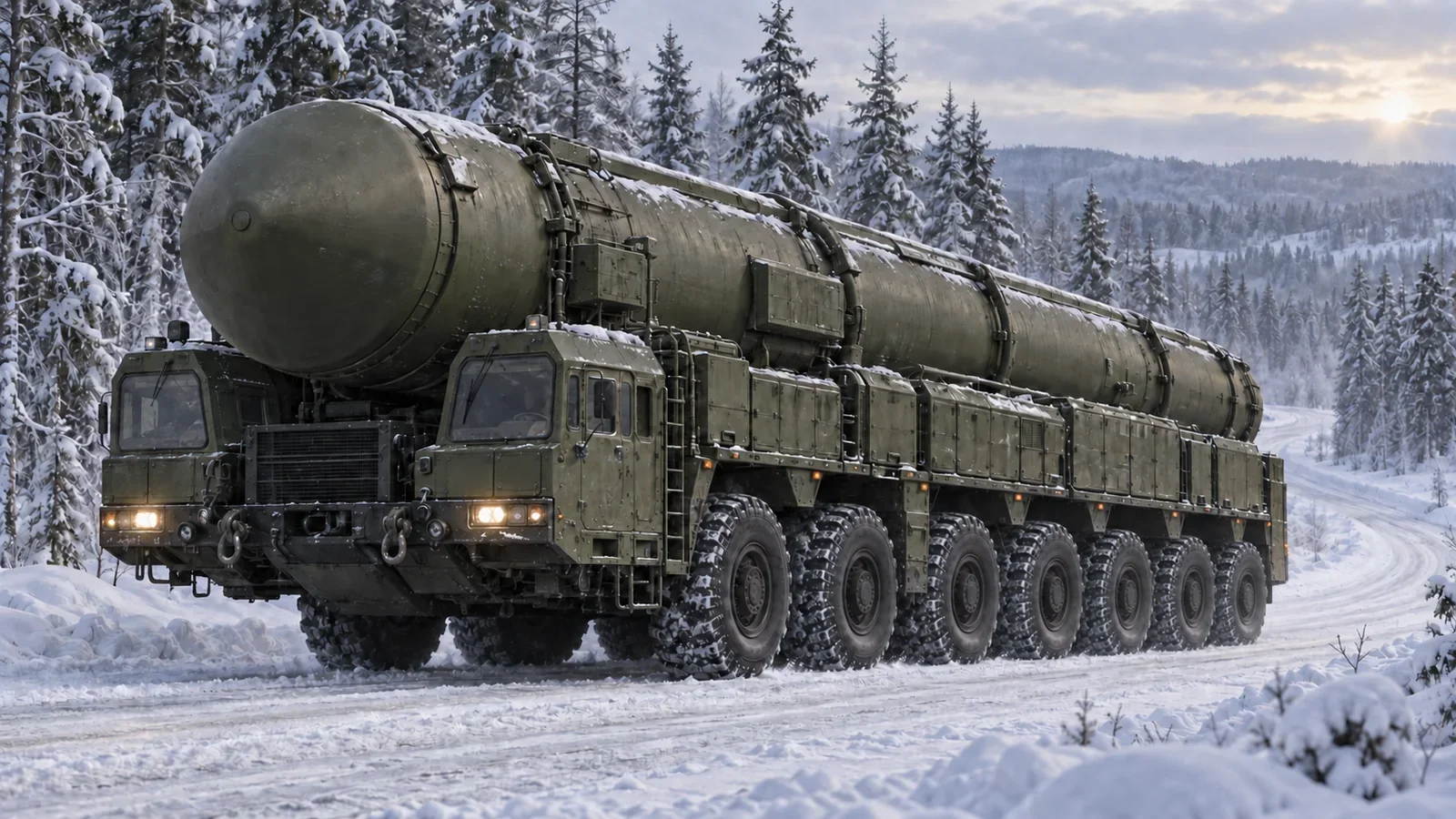
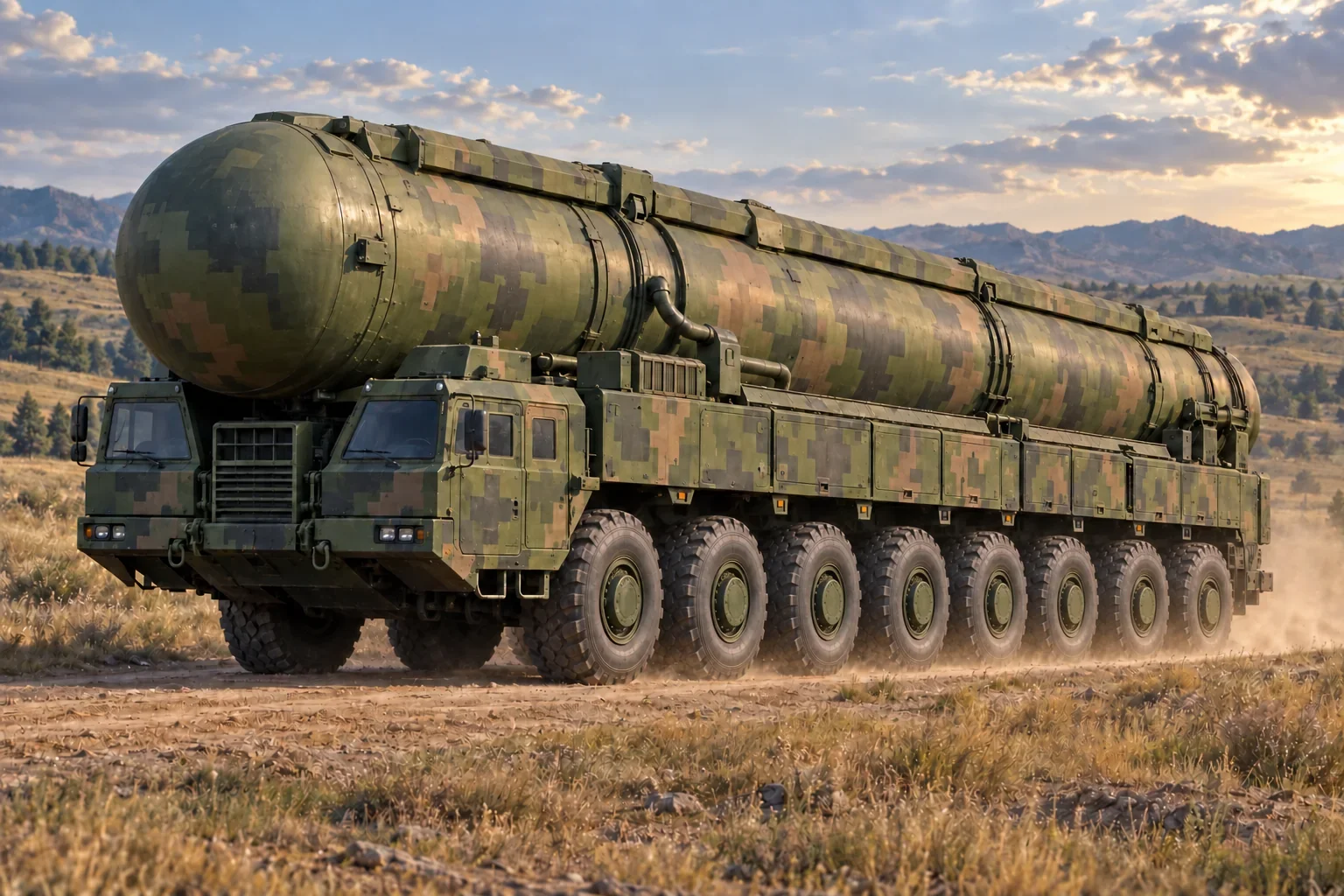
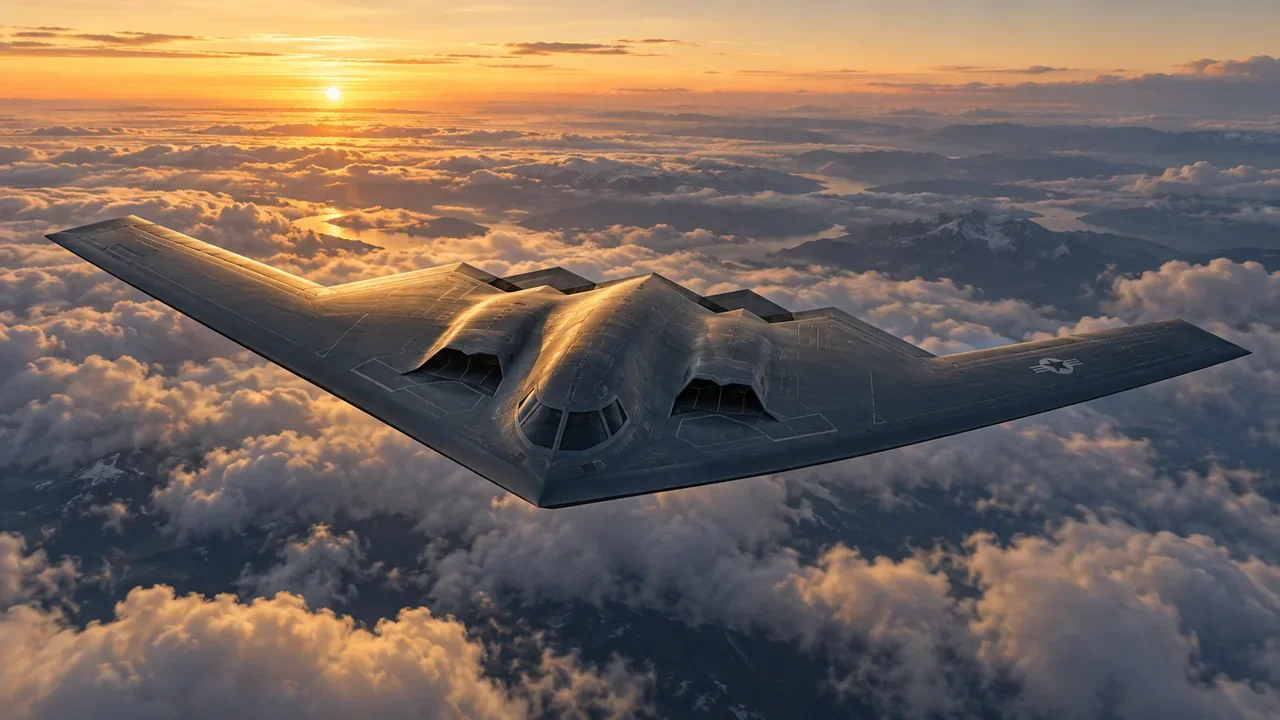
Why Nuclear Status Matters in MPR
Nuclear weapons can reshape deterrence, escalation risk, alliance behavior, crisis decision-making, and the perceived cost of attacking a state. They also influence how countries posture conventional forces, protect command networks, harden infrastructure, and signal resolve during confrontation.
At the same time, nuclear weapons are not a complete measure of military strength. MPR continues to evaluate the conventional and institutional foundations of power: personnel quality, mobilization, logistics, air and naval capability, ground force readiness, geography, economy, technology, command resilience, doctrine, and strategic depth.
Nuclear forces affect coercion, escalation control, and national survival calculations.
MPR still weighs aircraft, ships, ground forces, logistics, readiness, and industrial base.
Geography, command continuity, infrastructure, and alliance networks shape survivability.
Source Context and Classification
Public nuclear force estimates vary because several nuclear-armed states disclose little or no official inventory data. MPR treats this page as a strategic classification list and uses broader open-source research context alongside the internal MPR ranking model.
The five nuclear weapon states recognized under the Non-Proliferation Treaty are China, France, Russia, the United Kingdom, and the United States. India, Pakistan, North Korea, and Israel are included here because they are widely treated in open-source nuclear force research as nuclear-armed or de facto nuclear-armed states.