

Global Top 25 Militaries
The MPR Global Top 25 ranks the strongest military powers in 2026 using the Military Power Rankings combat-effectiveness model. This list highlights the upper tier of global military power by measuring total force capability, readiness, logistics, strategic depth, geography, industrial endurance, doctrine, air and naval power, missile forces, command structure, and multi-domain military strength.
The ranking is not a simple count of troops, tanks, aircraft, or defense spending. MPR compares how each military can generate, sustain, command, deploy, and adapt combat power under real strategic constraints.
Explore Military Power in Pictures
Eight military platforms from across the Top 25, presented in MPR rank order. Select an illustration to read that country’s complete ranking and assessment.
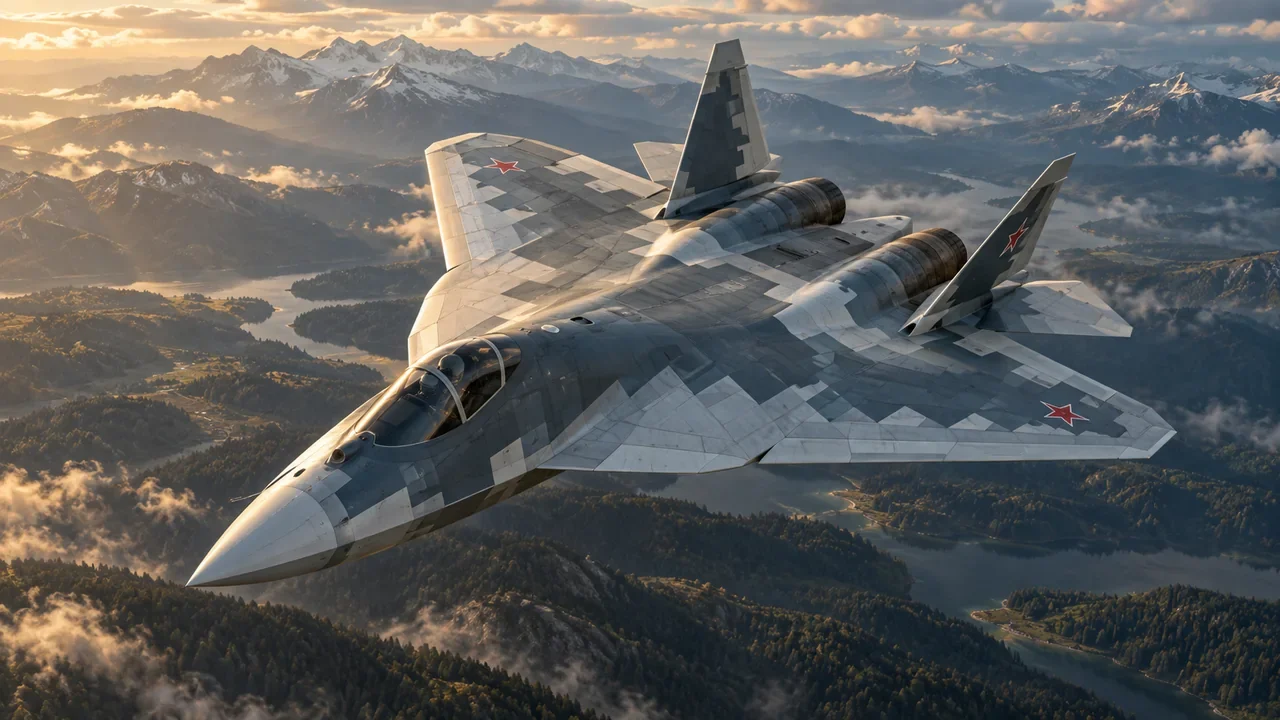
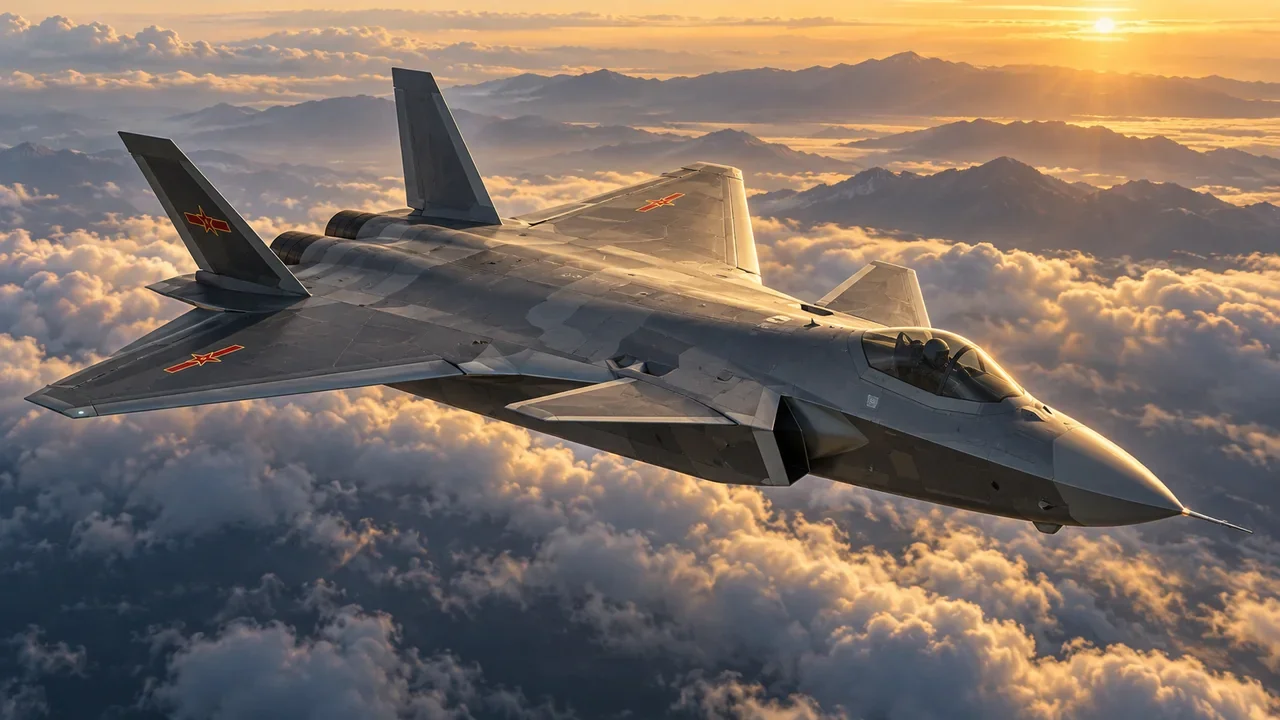
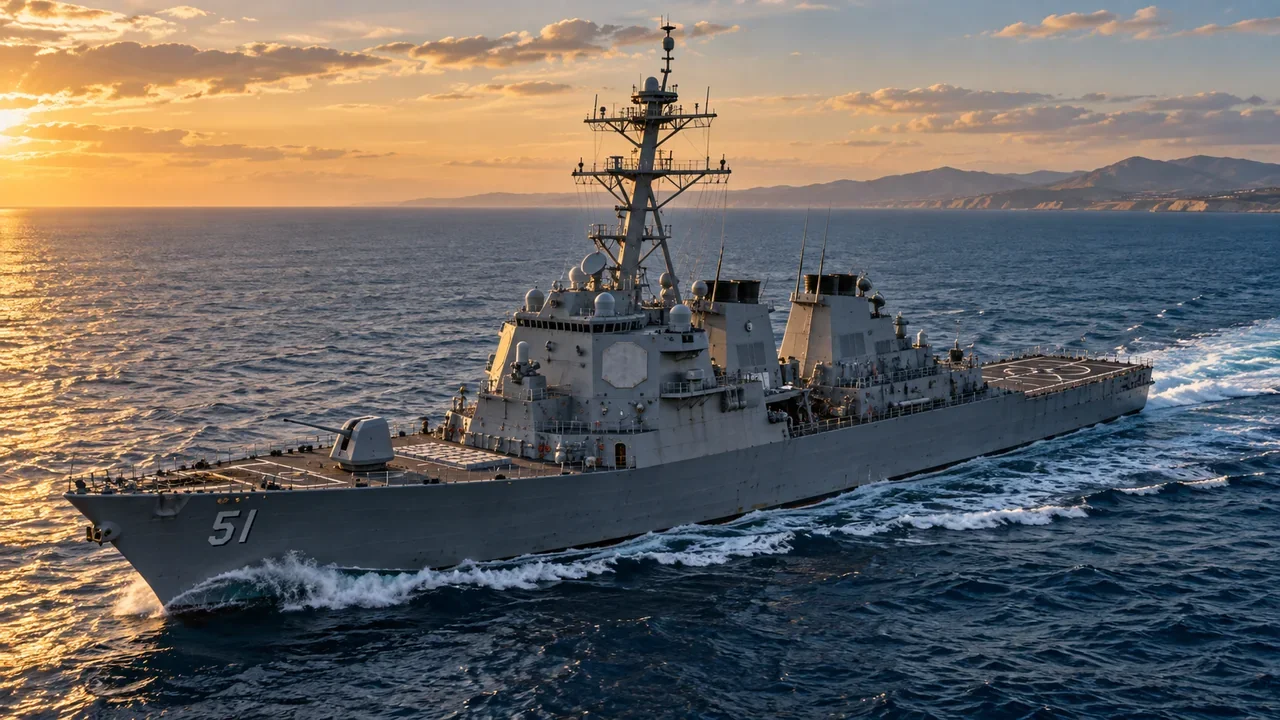
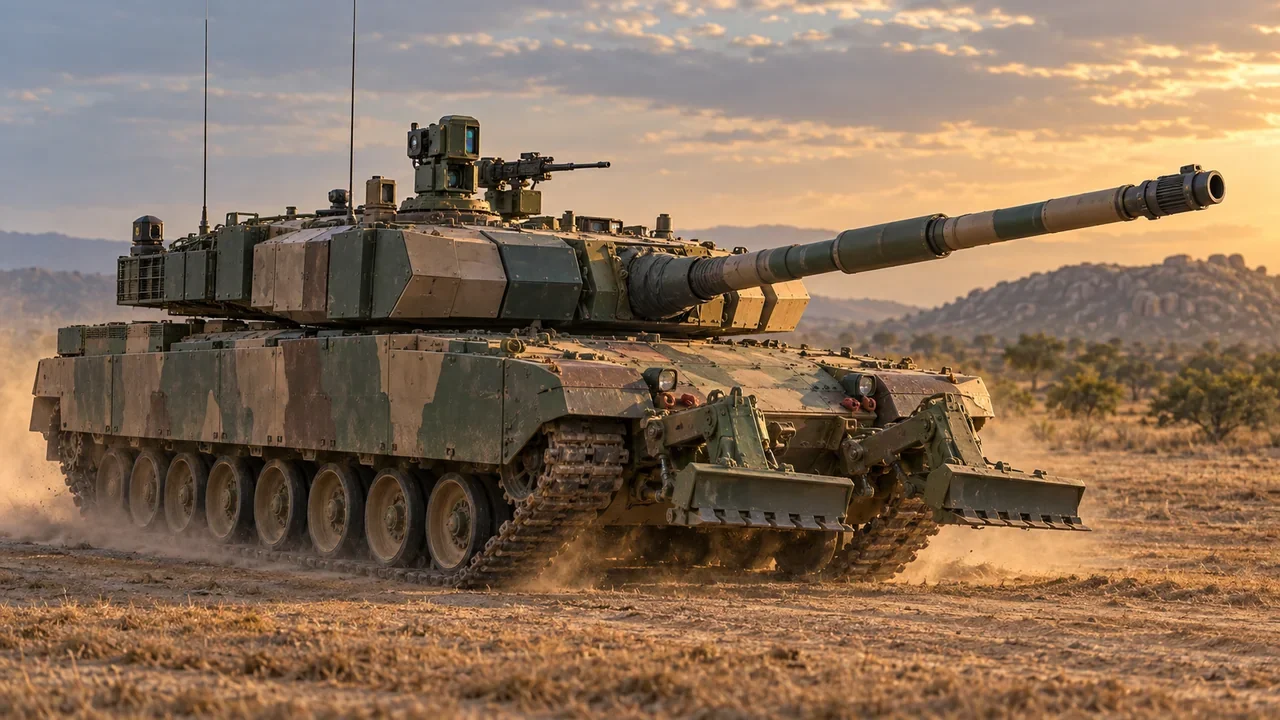
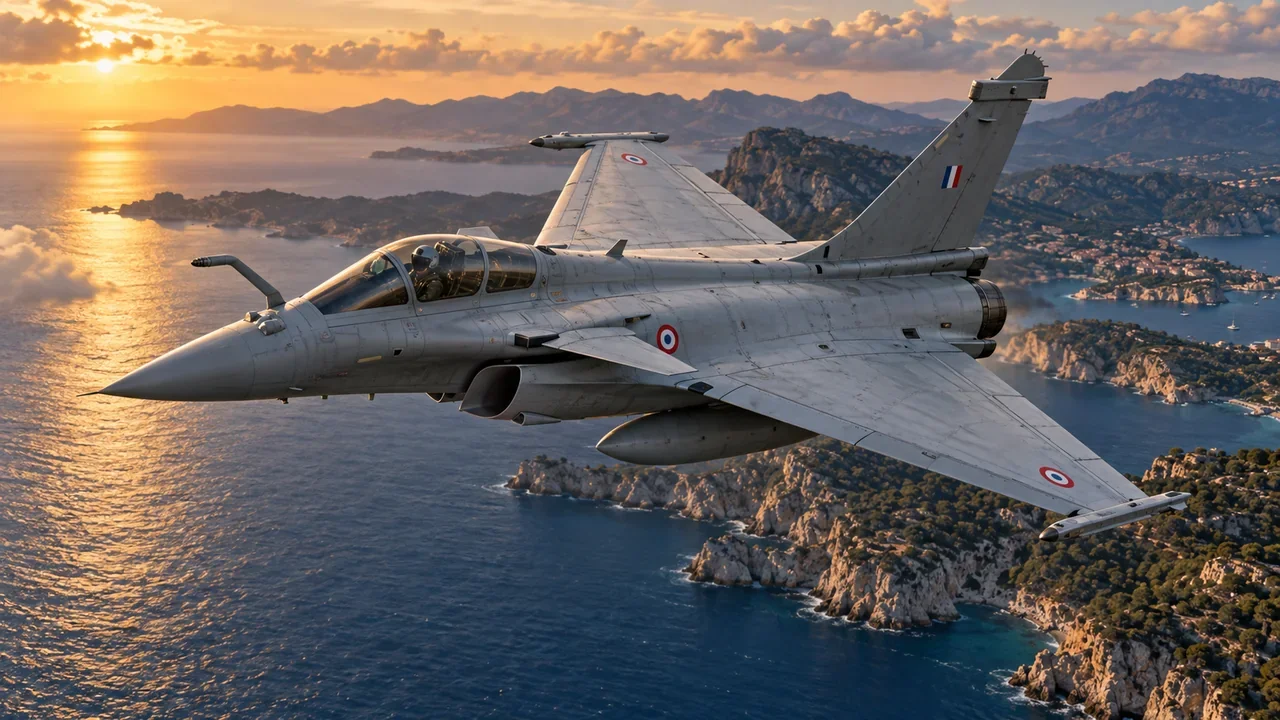
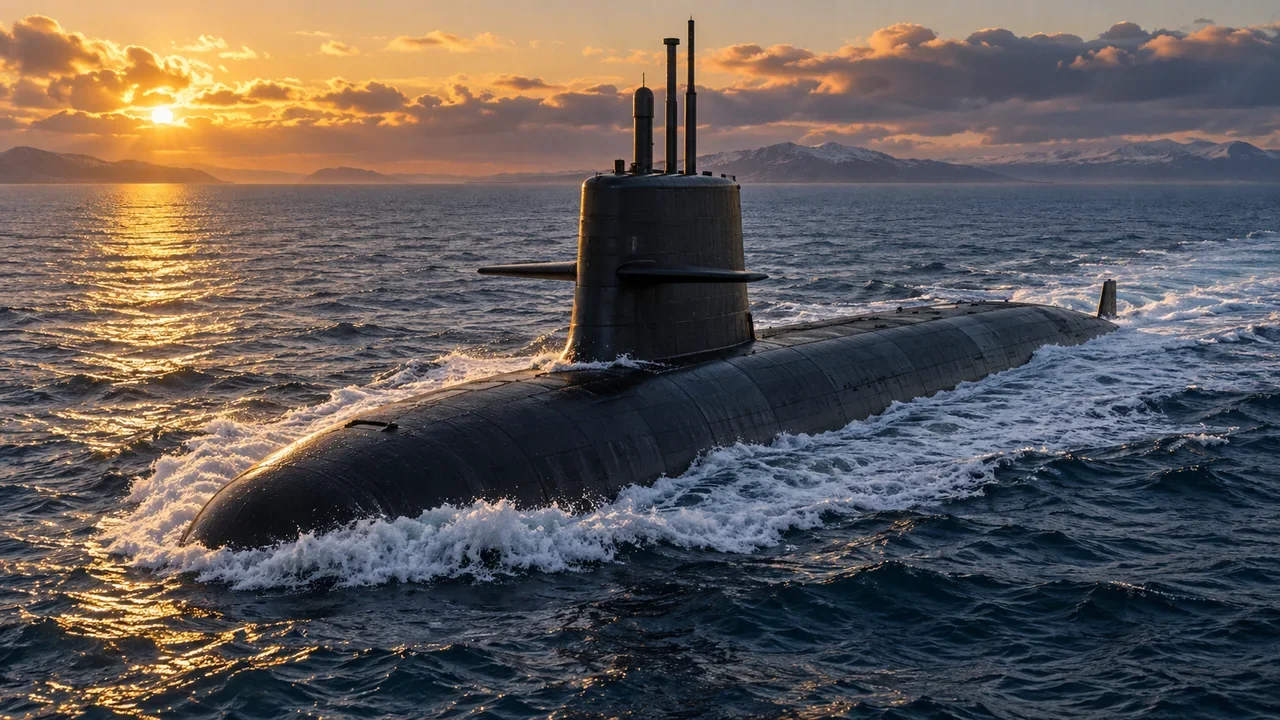
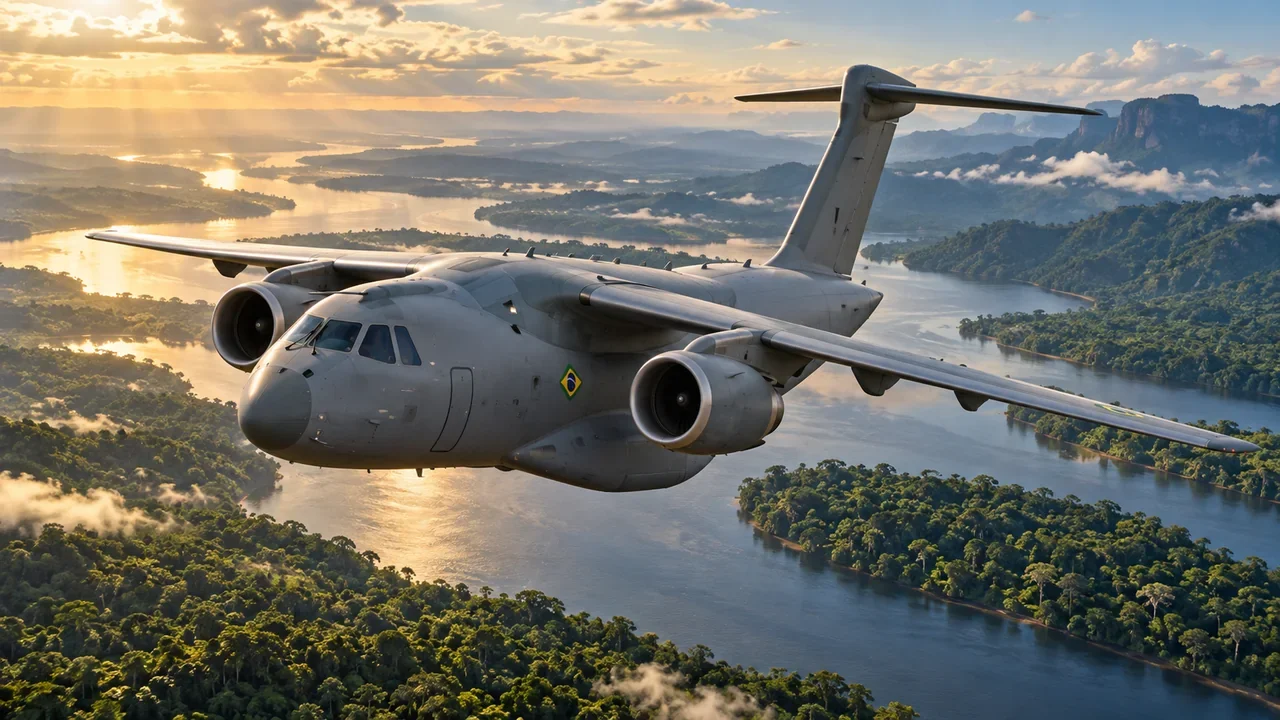
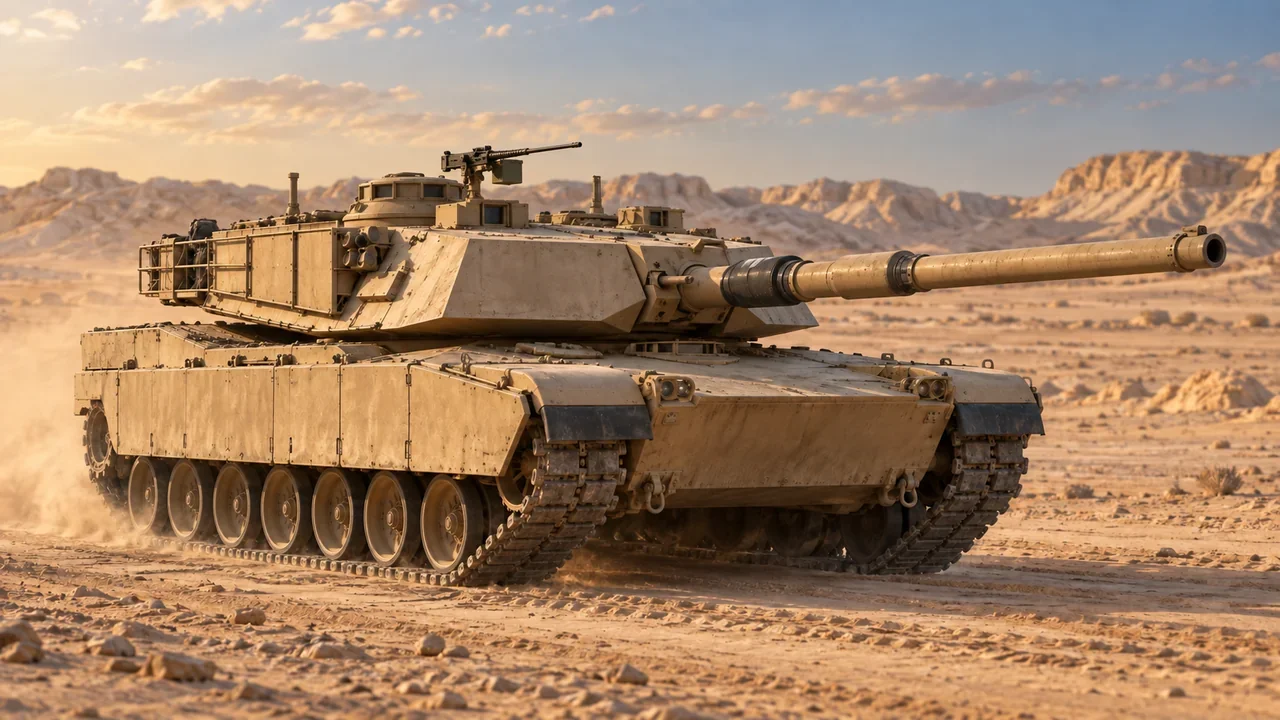
2026 Top 25 Military Powers
Each country below links to its MPR country profile for deeper analysis of military strength, force structure, doctrine, readiness, geography, strategic position, and MPR global rank.
Germany and Vietnam share rank 18 with an MPR score of 1106. View the full MPR rankings.
Search country names, scores or words in the assessments. Choose a rank range to narrow the results.
25 of 25 militaries shown.
No militaries match these filters. Try another search or select Clear filters.
- 1
 RussiaMPR score 2103Strategic depth, nuclear forces, missile capacity, air defense density, artillery mass, and mobilization potential keep Russia at the top of the MPR table.
 - 2
 ChinaMPR score 2014China ranks near the top through industrial scale, missile forces, naval expansion, air power, cyber capacity, and regional anti-access strength.
 - 3
 USAMPR score 1904The United States combines global reach, carrier aviation, fifth-generation aircraft, nuclear deterrence, strategic airlift, and unmatched alliance depth.
 - 4
 IndiaMPR score 1460India's score reflects manpower, geography, nuclear deterrence, missile forces, naval growth, and rising defense-industrial capacity.
 - 5
 PakistanMPR score 1405Pakistan combines nuclear deterrence, missile capability, army mass, air defense, and demanding regional readiness requirements.
 - 6
 North KoreaMPR score 1376North Korea rates highly for deterrence, artillery density, mobilization, missile forces, and hardened military posture despite major economic limits.
 - 7
 South KoreaMPR score 1374South Korea's position is built on readiness, technology, artillery, missile forces, industry, air power, and intense regional defense planning.
 - 8
 UKMPR score 1346The UK remains an upper-tier power through nuclear deterrence, naval reach, intelligence, advanced air power, and alliance integration.
 - 9
 FranceMPR score 1344France pairs independent nuclear deterrence with expeditionary forces, aerospace industry, naval capability, and European strategic reach.
 - 10
 TurkeyMPR score 1340Turkey's ranking reflects manpower, drone warfare, defense industry, geography, regional reach, and NATO-linked force structure.
 - 11
 IranMPR score 1333Iran scores strongly in missile forces, strategic geography, irregular networks, air defense, and regional denial capability.
 - 12
 JapanMPR score 1316Japan brings naval quality, air defense, technology, alliance depth, maritime geography, and advanced industrial capacity.
 - 13
 ItalyMPR score 1250Italy's score is supported by naval strength, aerospace capability, Mediterranean geography, NATO integration, and industrial capacity.
 - 14
 IsraelMPR score 1137Israel ranks highly through air power, intelligence, missile defense, mobilization speed, technology, and combat-tested doctrine.
 - 15
 BrazilMPR score 1131Brazil's position reflects population, geography, regional scale, defense industry, and broad conventional force structure.
 - 16
 EgyptMPR score 1124Egypt benefits from force size, strategic geography, air and ground strength, the Suez position, and regional military weight.
 - 17
 Saudi ArabiaMPR score 1119Saudi Arabia's ranking reflects defense spending, air power, missile defense, infrastructure, and Gulf strategic position.
 - 18
 GermanyMPR score 1106Germany scores through economic depth, technology, NATO position, industry, and Europe-centered military modernization potential.
 - 18
 VietnamMPR score 1106Vietnam's ranking reflects geography, manpower, territorial defense posture, naval modernization, and experience in asymmetric defense planning.
 - 20
 IndonesiaMPR score 1089Indonesia brings population, archipelagic geography, regional maritime importance, and expanding conventional capability.
 - 21
 UkraineMPR score 1058Ukraine's position reflects combat experience, mobilization, battlefield adaptation, drone warfare, artillery, air defense, and wartime sustainment.
 - 22
 PolandMPR score 1045Poland's score is driven by modernization, NATO geography, armored forces, air defense investment, and frontline European posture.
 - 23
 AlgeriaMPR score 1017Algeria ranks strongly through regional scale, ground forces, air defense, energy-backed resources, and North African strategic depth.
 - 24
 TaiwanMPR score 1002Taiwan's ranking reflects dense defensive planning, technology, air and missile defense, maritime geography, and high strategic pressure.
 - 25
 SpainMPR score 979Spain rounds out the Top 25 with NATO integration, naval reach, European geography, air capability, and a balanced conventional force.
How to Read the Top 25
The countries in this tier combine high-end capability with at least one form of strategic weight: nuclear deterrence, major conventional mass, advanced air power, blue-water naval reach, alliance depth, industrial capacity, battle-tested doctrine, geographic leverage, or strong regional denial capability.
The gaps between countries are not always explained by budget alone. A smaller military can place highly when it has strong readiness, modern systems, elite command culture, favorable geography, dense air defense, or a clear regional mission. A larger military can be limited by logistics, sustainment, dispersed commitments, economic pressure, or outdated force structure.
Ranks 1-3
Global-scale powers with nuclear deterrence, strategic reach, major industry, and the ability to shape multiple theaters.
Ranks 4-10
Major military powers with strong regional dominance, large force structures, or elite high-end capabilities.
Ranks 11-25
Upper-tier militaries with significant combat power, alliances, industrial depth, or decisive regional advantages.
What Separates a Top 25 Military
Top 25 status usually requires more than one advantage. MPR weighs whether a military can defend national territory, project force, sustain losses, replace equipment, coordinate air-ground-naval operations, protect command systems, and operate under political, geographic, and economic pressure.
This is why the Top 25 includes both global powers and highly capable regional militaries. Some countries rank through worldwide expeditionary reach, while others rank through concentrated regional strength, defensive density, or the ability to impose high costs on stronger opponents.