

Global Top 50 Militaries
The MPR Global Top 50 ranks the strongest military powers in 2026 using the Military Power Rankings combat-effectiveness model. This list highlights the top countries by overall military strength, combat capability, readiness, force posture, logistics, strategic depth, industrial endurance, geography, air power, naval power, missile forces, and multi-domain military power.
The top 50 is broader than the elite top 10 and top 25 lists. It captures the full upper tier of global military power: nuclear powers, major alliance states, regional heavyweights, high-readiness frontier forces, defense-industrial leaders, large manpower states, and countries whose geography gives them unusual strategic weight.
Explore Military Power in Pictures
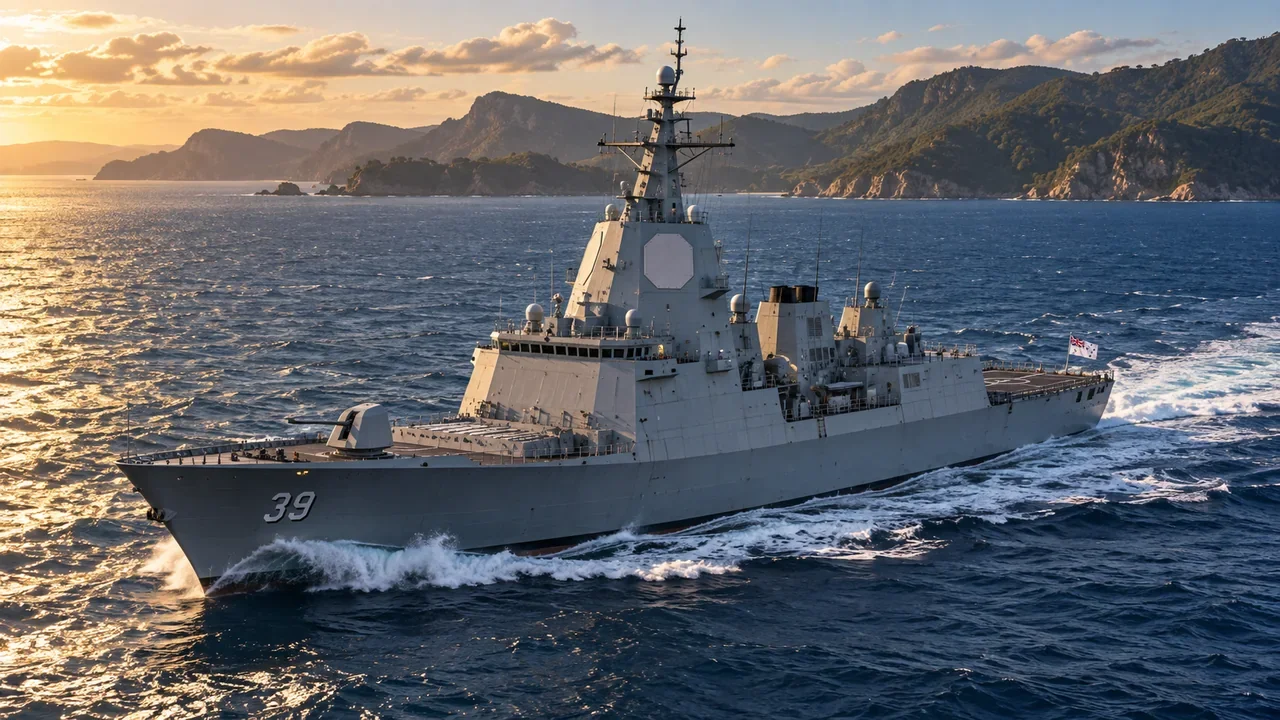
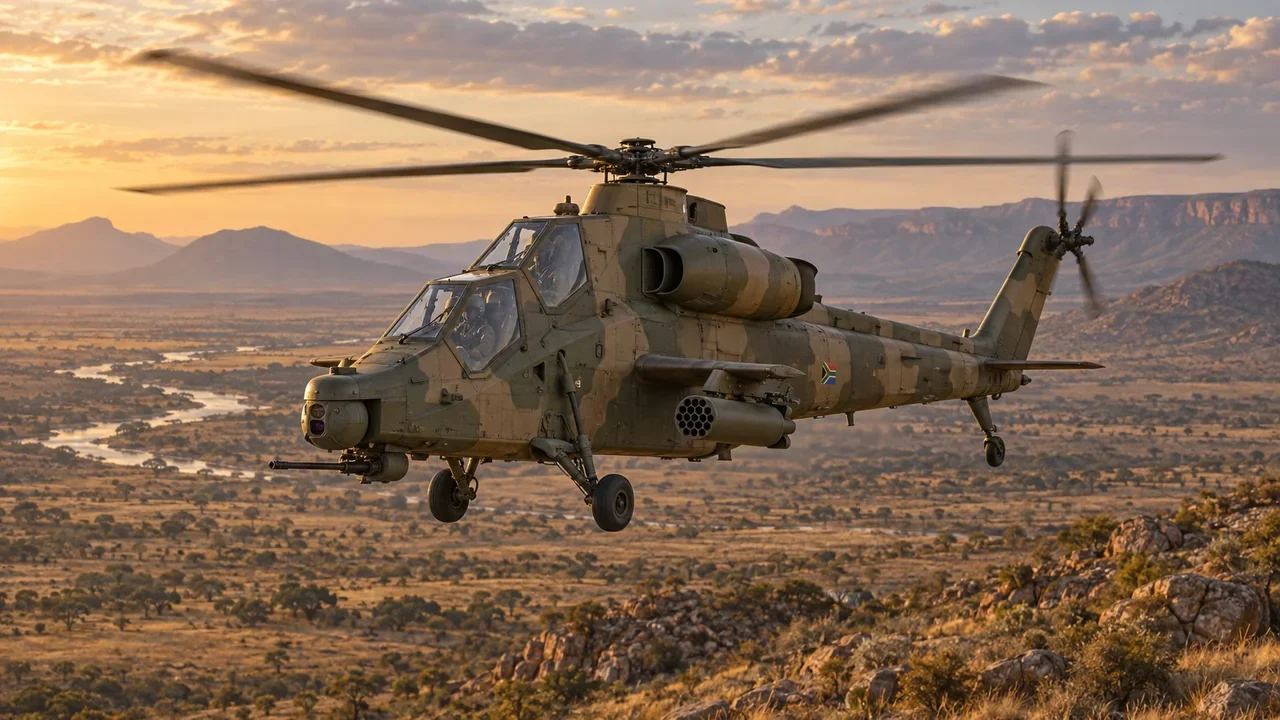
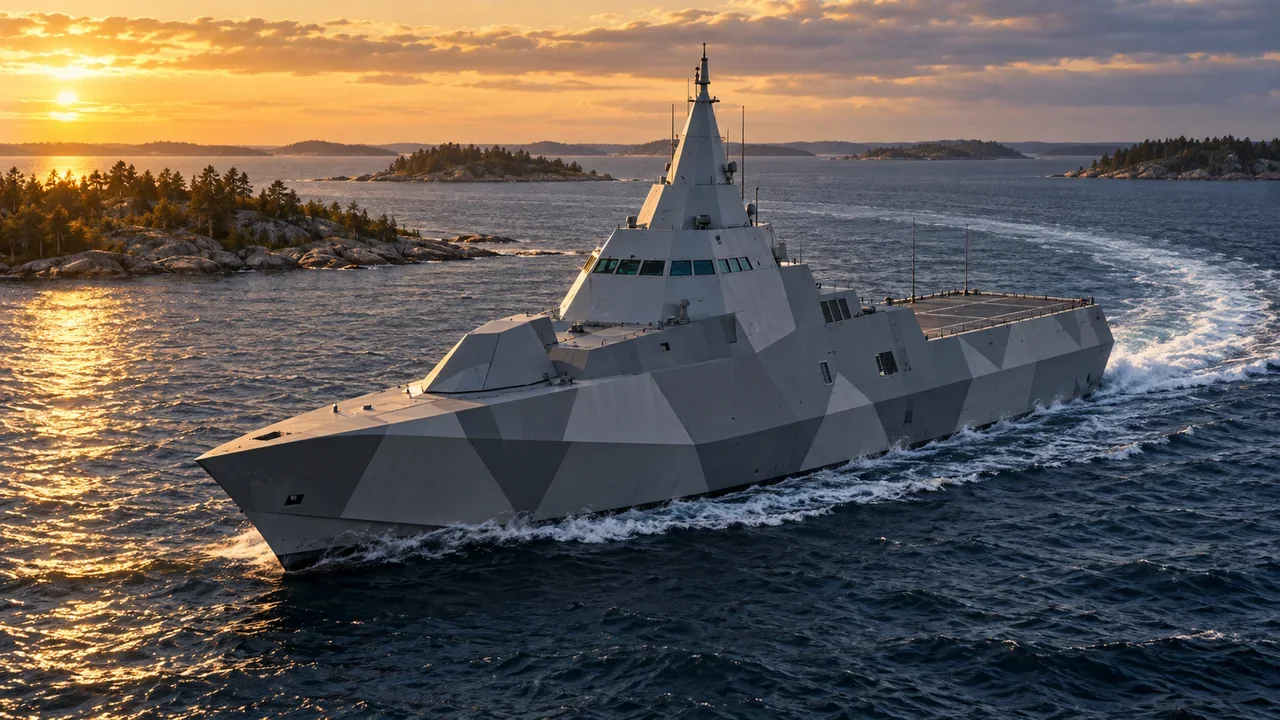
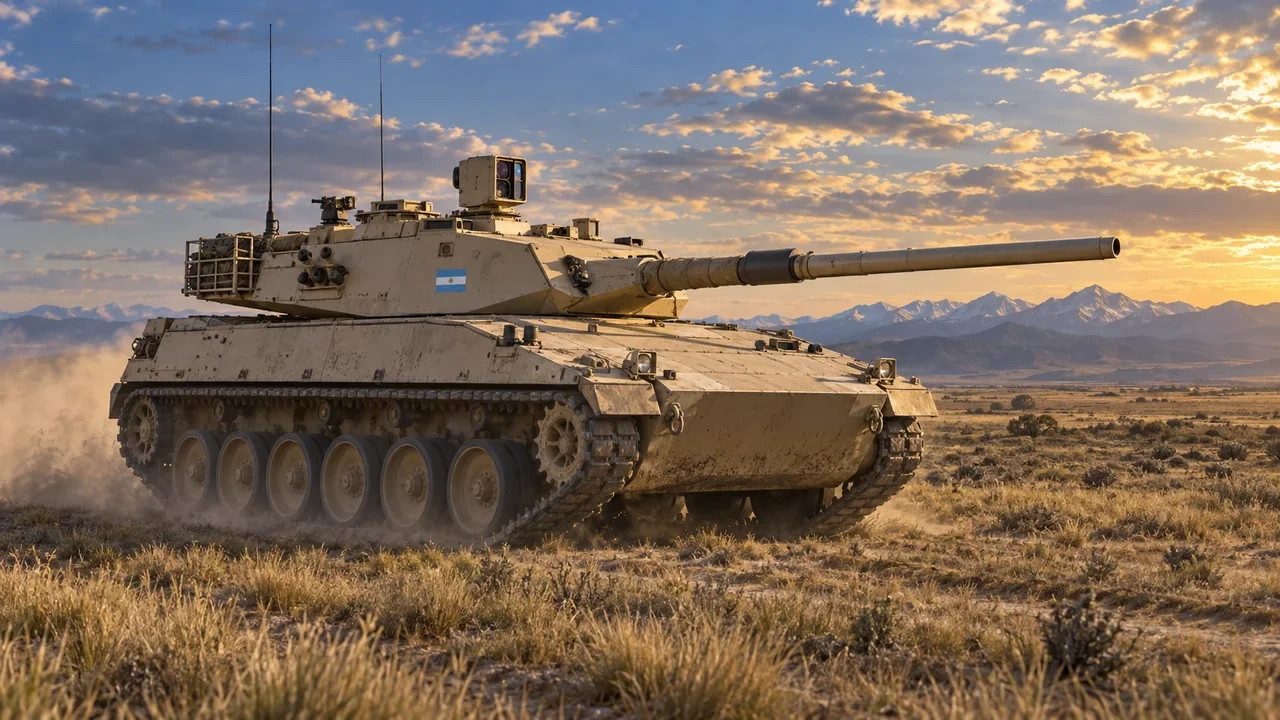
Eight military platforms from across the Top 50, presented in MPR rank order. Select an illustration to read that country’s rank, score and profile link.
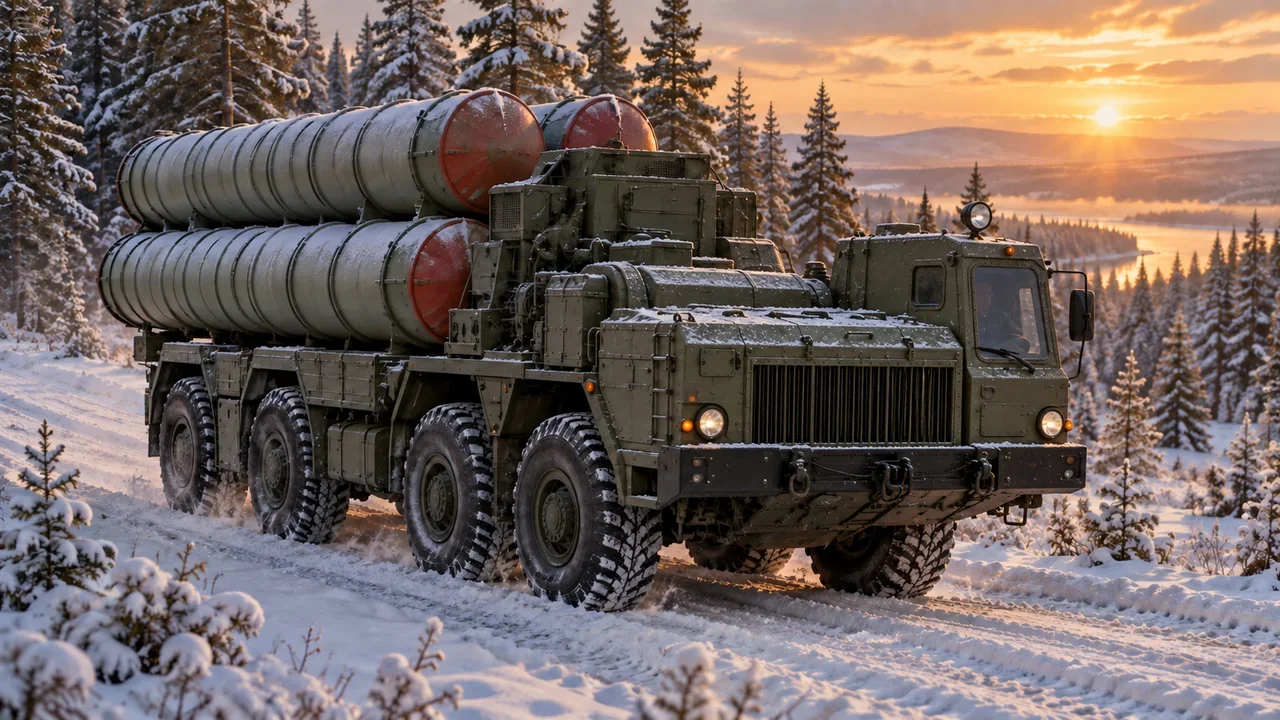
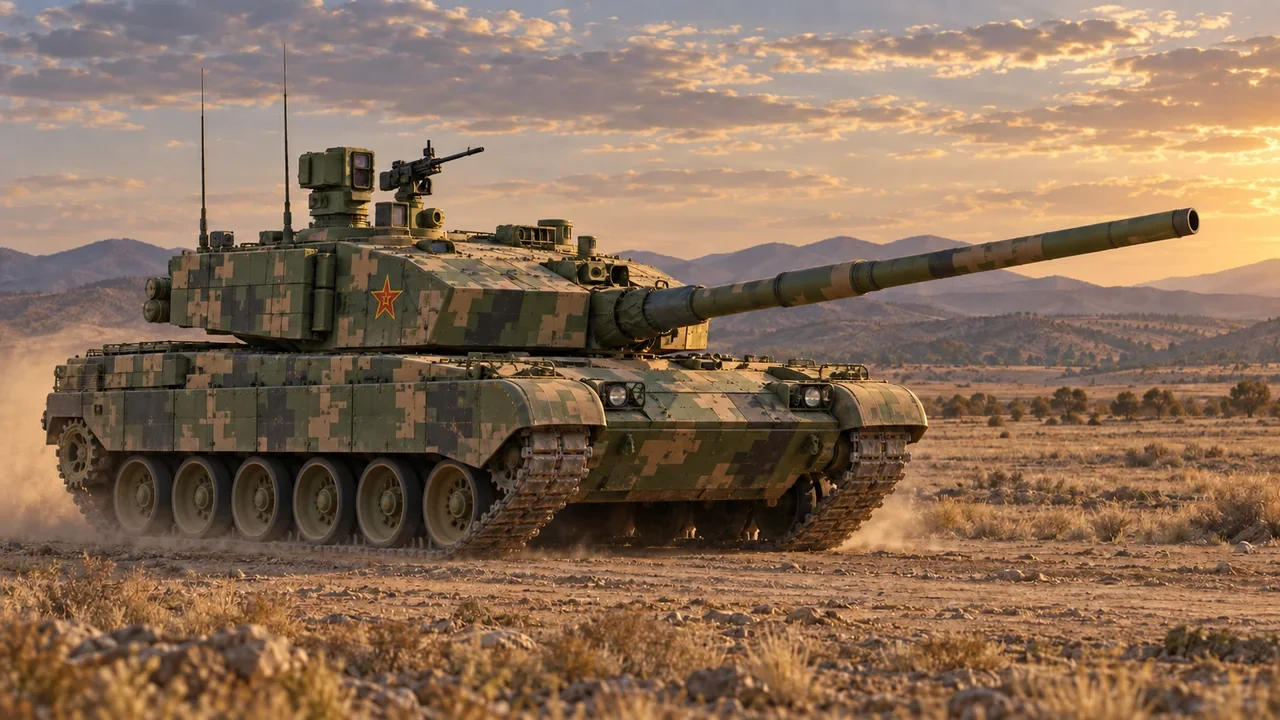
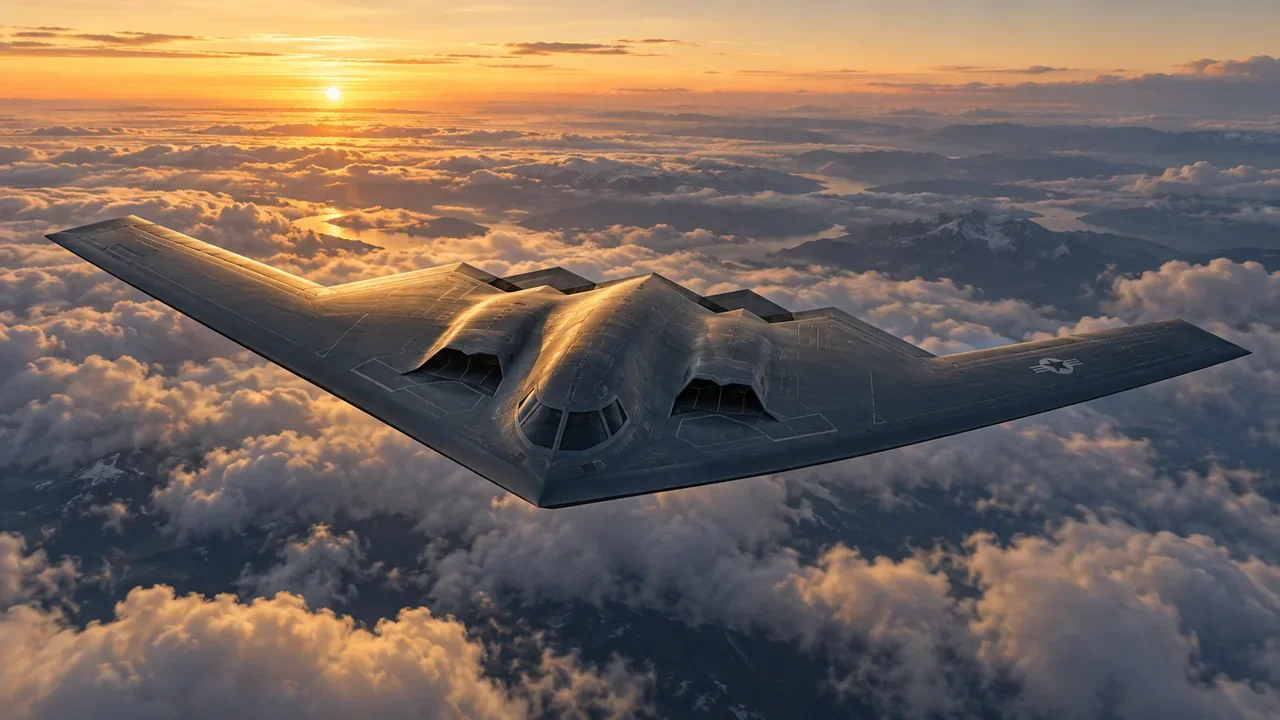
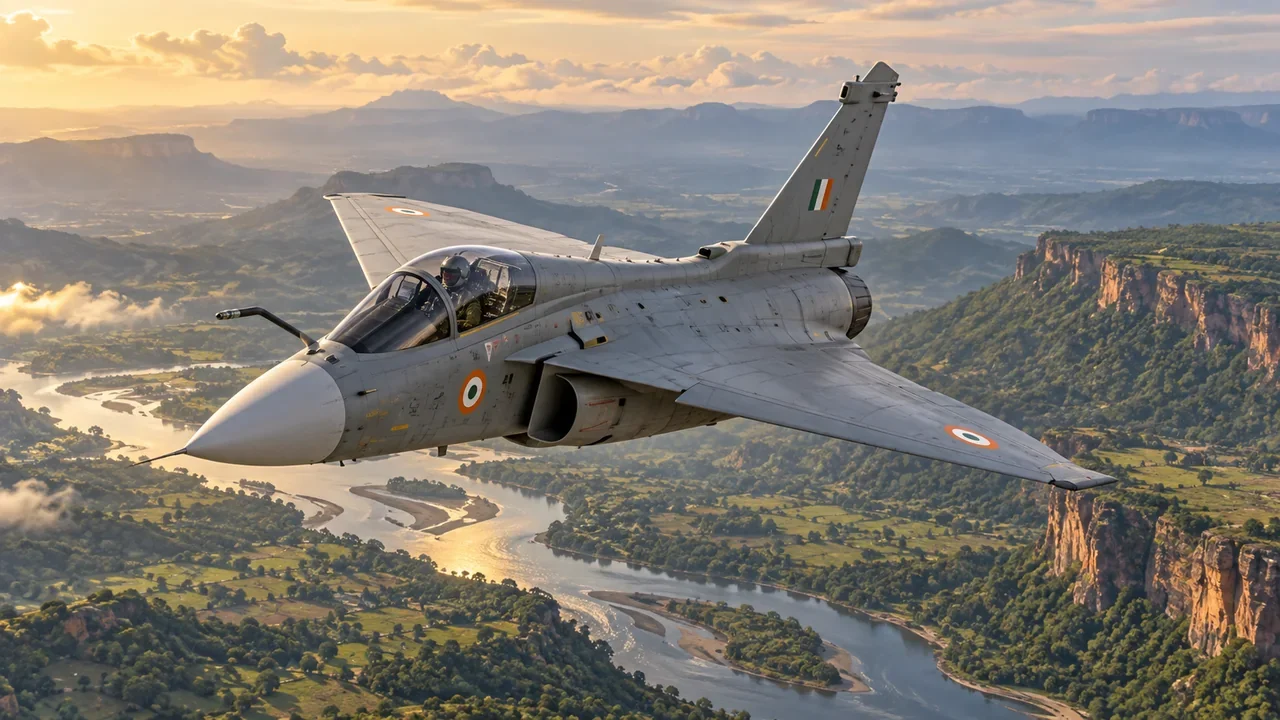
2026 Top 50 Military Powers
Each country below links to its MPR country profile for deeper analysis of military strength, force structure, doctrine, readiness, geography, strategic position, and global rank. Scores are shown to make the spacing between countries visible, especially where several militaries cluster closely together.
Germany and Vietnam share rank 18 with an MPR score of 1106. Greece and South Africa share rank 30 with an MPR score of 838. View the full MPR rankings.
Search country names or MPR scores. Choose a rank range to narrow the results.
50 of 50 militaries shown.
No militaries match these filters. Try another search or select Clear filters.
- 1
 RussiaMPR score 2103
 - 2
 ChinaMPR score 2014
 - 3
 USAMPR score 1904
 - 4
 IndiaMPR score 1460
 - 5
 PakistanMPR score 1405
 - 6
 North KoreaMPR score 1376
 - 7
 South KoreaMPR score 1374
 - 8
 UKMPR score 1346
 - 9
 FranceMPR score 1344
 - 10
 TurkeyMPR score 1340
 - 11
 IranMPR score 1333
 - 12
 JapanMPR score 1316
 - 13
 ItalyMPR score 1250
 - 14
 IsraelMPR score 1137
 - 15
 BrazilMPR score 1131
 - 16
 EgyptMPR score 1124
 - 17
 Saudi ArabiaMPR score 1119
 - 18
 GermanyMPR score 1106
 - 18
 VietnamMPR score 1106
 - 20
 IndonesiaMPR score 1089
 - 21
 UkraineMPR score 1058
 - 22
 PolandMPR score 1045
 - 23
 AlgeriaMPR score 1017
 - 24
 TaiwanMPR score 1002
 - 25
 SpainMPR score 979
 - 26
 ThailandMPR score 970
 - 27
 AustraliaMPR score 938
 - 28
 CanadaMPR score 890
 - 29
 MalaysiaMPR score 851
 - 30
 GreeceMPR score 838
 - 30
 South AfricaMPR score 838
 - 32
 SwedenMPR score 799
 - 33
 ColombiaMPR score 794
 - 34
 MexicoMPR score 791
 - 35
 IraqMPR score 778
 - 36
 MyanmarMPR score 772
 - 37
 PhilippinesMPR score 758
 - 38
 NigeriaMPR score 756
 - 39
 ChileMPR score 742
 - 40
 MoroccoMPR score 739
 - 41
 SingaporeMPR score 731
 - 42
 BelarusMPR score 678
 - 43
 KazakhstanMPR score 674
 - 44
 SerbiaMPR score 668
 - 45
 FinlandMPR score 662
 - 46
 AzerbaijanMPR score 656
 - 47
 JordanMPR score 654
 - 48
 RomaniaMPR score 646
 - 49
 BangladeshMPR score 631
 - 50
 ArgentinaMPR score 626
How to Read the Global Top 50
MPR treats military power as a system, not as a single headline number. The Global Top 50 includes countries that can shape regional security, sustain demanding operations, field meaningful air or naval power, mobilize reserves, defend strategic terrain, contribute to alliances, or impose high costs on a larger opponent.
The ranking is intentionally comparative. A country near the top may dominate through global reach and advanced systems, while a country in the lower half of the top 50 may rank highly because it combines readiness, geography, manpower, air defense, missile forces, or combat experience in a way that matters in its own theater.
Ranks 1-10: Top-Tier Military Powers
These militaries combine strategic scale, strong deterrence, high readiness, major industrial depth, or the ability to shape conflicts beyond their immediate borders.
Ranks 11-25: Major Regional Powers
This band includes advanced alliance states, nuclear and missile powers, large regional forces, and militaries with strong air, naval, or industrial advantages.
Ranks 26-50: Upper-Tier Forces
These countries may not have full global reach, but they retain enough capability, readiness, geography, manpower, or specialization to matter in regional war planning.
What Pushes a Military Into the Top 50
The Global Top 50 is a useful threshold because it identifies militaries with meaningful strategic effect. Some are major powers with global commitments. Others are regionally decisive forces whose geography, readiness, mobilization base, air defense, naval access, or alliance position gives them more military weight than a simple equipment count would show.
- Combat CapabilityActive force quality, equipment, firepower, air and naval strength, missile forces, command systems, and the ability to fight across domains.
- Readiness And SustainmentTraining, mobilization capacity, reserves, munitions, fuel, maintenance, logistics networks, and realistic ability to keep operations going.
- Strategic PositionGeography, alliance access, choke points, border pressure, defense depth, home-field advantages, and exposure to regional threats.
- Industrial And Technological BaseDefense production, repair capacity, modernization paths, drones, cyber, sensors, space support, and the ability to replace losses.
Source Context and Ranking Basis
This page summarizes the upper tier of the MPR global military power ranking. Country order and score spacing come from the broader MPR model, which weighs force structure, readiness, geography, logistics, defense industry, technology, doctrine, strategic depth, and country-specific source context.