

Non-Nuclear Powers
This MPR list identifies the strongest non-nuclear military powers in the Military Power Rankings system. Countries are ordered by overall MPR global rank, not by manpower, defense budget, or equipment totals alone.
In this context, non-nuclear means countries treated by MPR as outside the nuclear-armed category used on the Nuclear States list. It does not mean strategically weak. Several non-nuclear powers have major conventional forces, advanced missiles, air defense networks, naval access, alliance backing, defense industries, or geographic positions that make them decisive in regional security.
Why Non-Nuclear Military Power Matters
Nuclear weapons are a major strategic factor, but they are not the only measure of military power. Many states shape deterrence, regional war planning, alliance posture, maritime control, and escalation dynamics through conventional strength. MPR gives those forces weight when they can mobilize, sustain operations, defend critical terrain, project power, and impose real costs without an independent nuclear arsenal.
The strongest non-nuclear powers tend to combine several advantages at once: professional active forces, large reserve pools, modern air forces, strong missile or drone programs, naval access, robust logistics, domestic defense production, combat experience, or difficult geography. That combination can make a non-nuclear state far more influential than raw defense spending alone would suggest.
Regional Military Leaders
Turkey, Iran, Japan, and Italy sit high because they combine major conventional force structure with strategic geography, military industry, or alliance influence.
Large Theater Powers
Brazil, Egypt, Saudi Arabia, Vietnam, and Indonesia show how scale, geography, readiness, procurement, or regional threat environments can raise non-nuclear power.
Advanced Industrial Forces
Germany shows how defense industry, alliance integration, technology, logistics, and modernization potential can matter even when active force size is constrained.
Top Non-Nuclear Military Powers by MPR Rank
The list below shows the highest-ranked non-nuclear states in the MPR global military power ranking. Each country links to its profile for deeper context on force structure, doctrine, readiness, geography, strategic position, and global rank.
The numbers below are positions within this non-nuclear list. Each country profile shows its global MPR rank; equal scores are retained.
-
1
 South Korea
MPR score 1374
South Korea
MPR score 1374
South Korea combines high readiness, advanced airpower, missile defense, reserve depth, U.S. alliance integration and a major domestic defense industry.
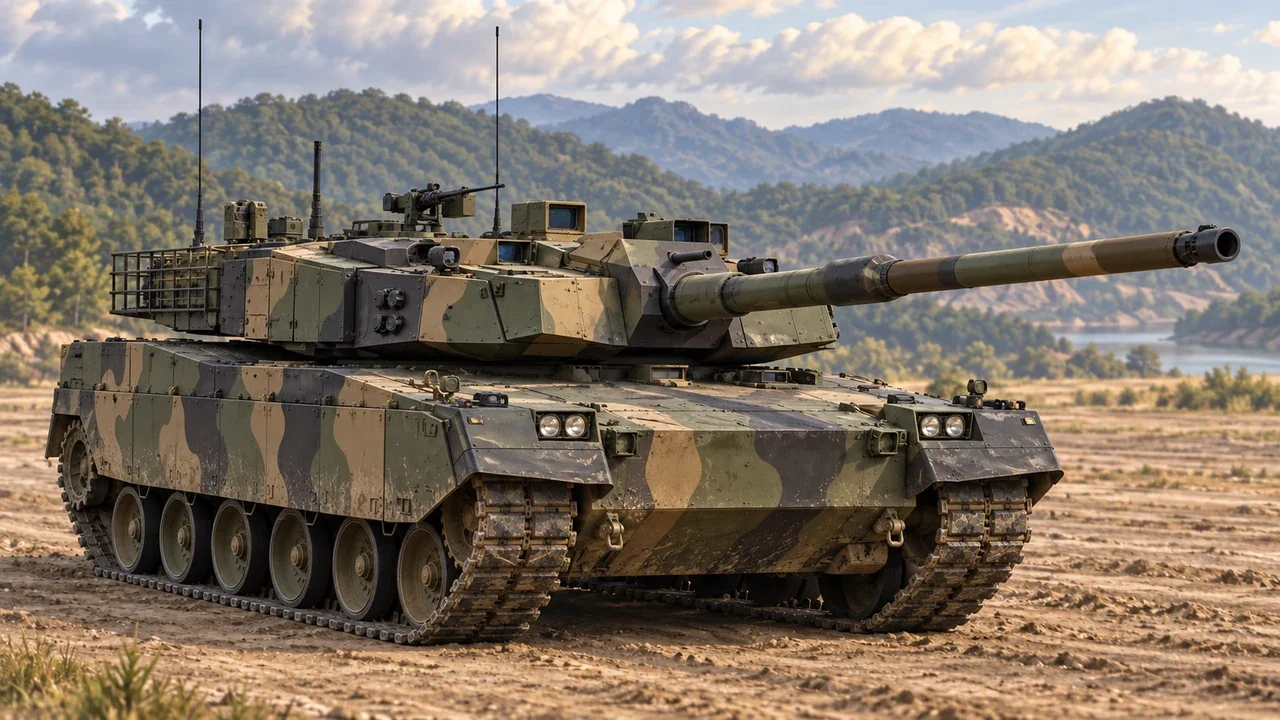
K2 Black Panther main battle tank — Illustration created by MPR -
2
 Turkey
MPR score 1340
Turkey
MPR score 1340
Turkey ranks near the top of this list through a large active force, NATO integration, strategic geography, drone and missile development, regional operational experience, and a growing domestic defense sector.
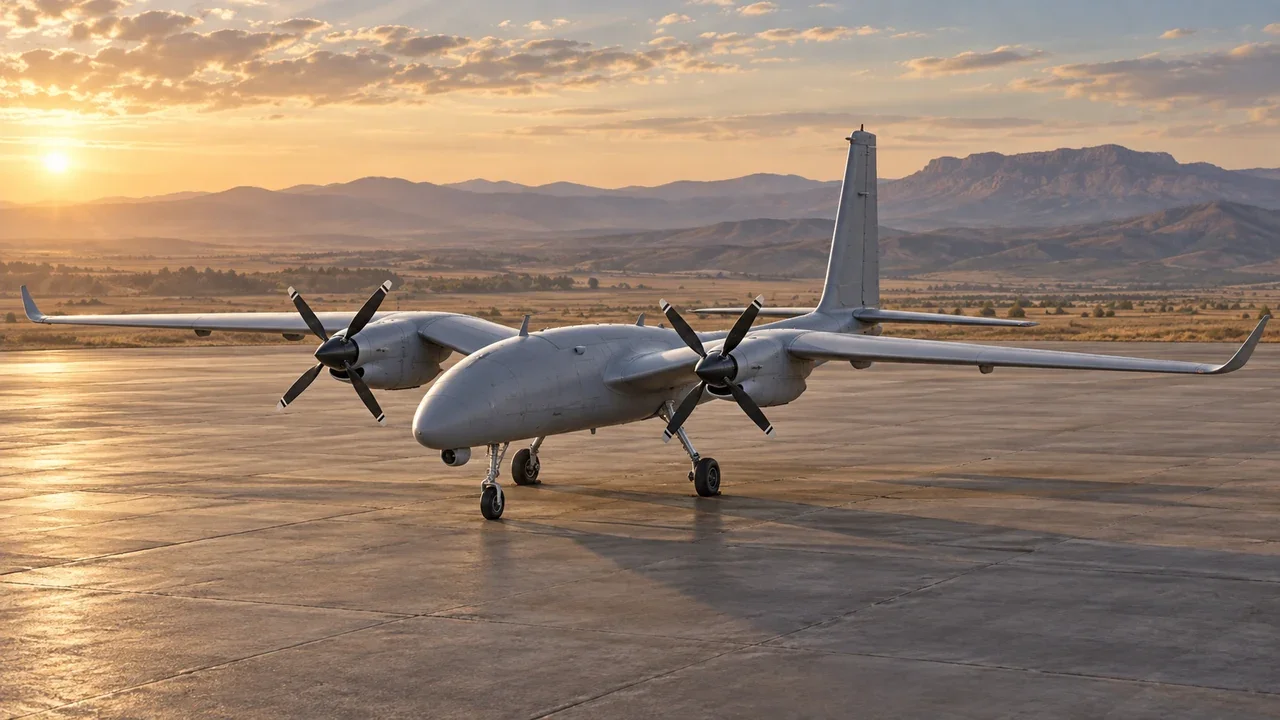
Bayraktar AKINCI uncrewed aircraft — Illustration created by MPR -
3
 Iran
MPR score 1333
Iran
MPR score 1333
Iran ranks near the top through missile forces, drone capability, manpower depth, hardened geography, regional networks, air defense investment, and asymmetric naval pressure in the Gulf.
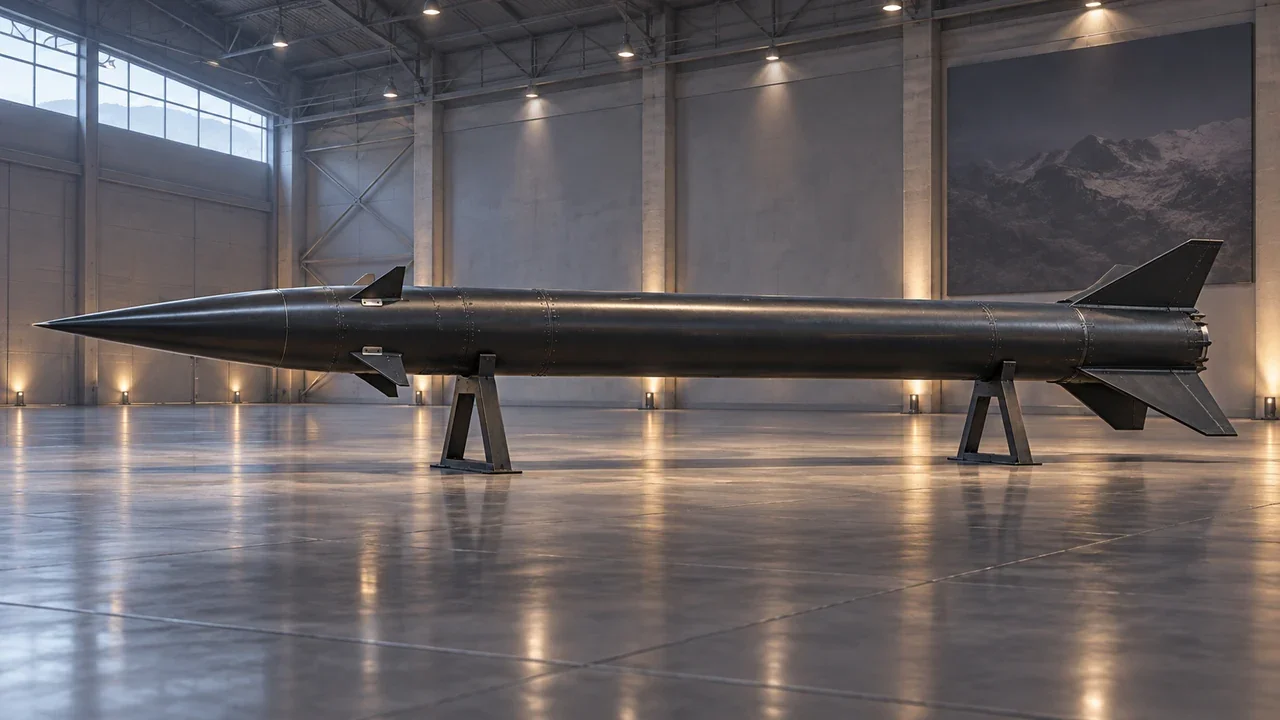
Fattah-1 missile — Illustration created by MPR -
4
 Japan
MPR score 1316
Japan
MPR score 1316
Japan combines advanced maritime forces, high-end air power, missile defense, strong technology, industrial capacity, and alliance integration in a demanding Indo-Pacific security environment.
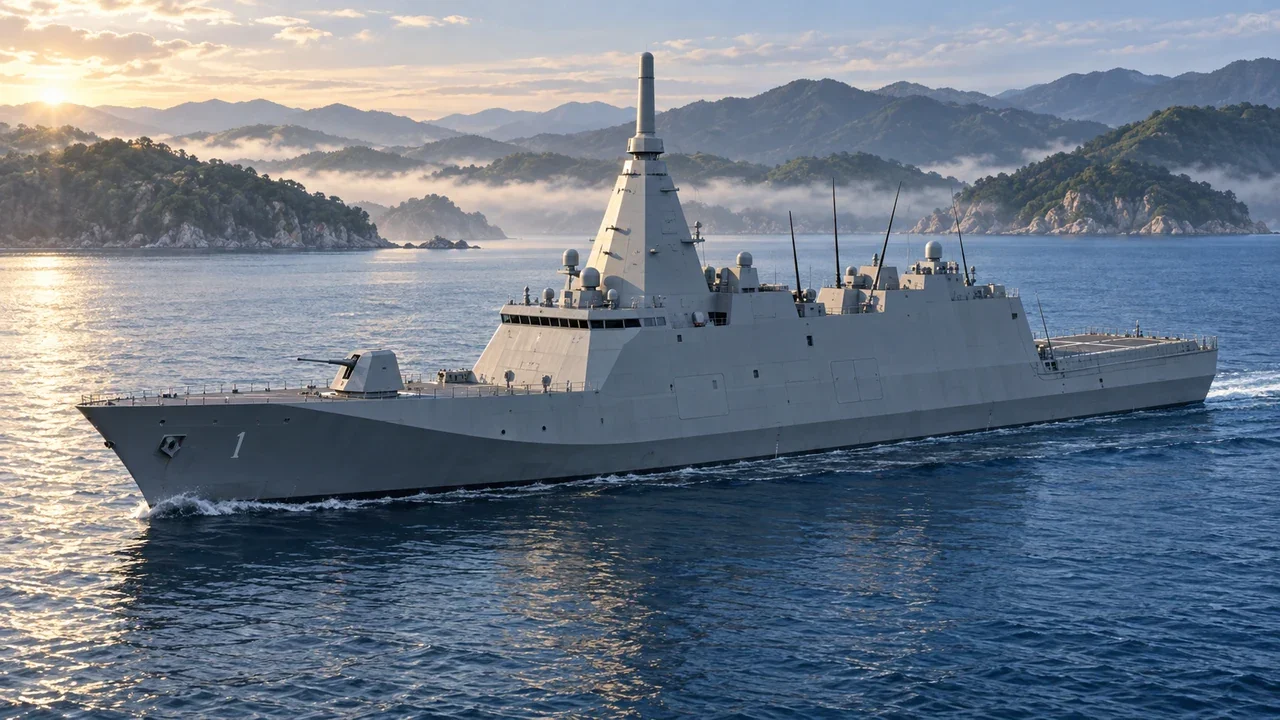
JS Mogami frigate — Illustration created by MPR -
5
 Italy
MPR score 1250
Italy
MPR score 1250
Italy ranks highly through NATO integration, Mediterranean naval access, advanced aviation, shipbuilding, defense industry depth, and the ability to support coalition operations.
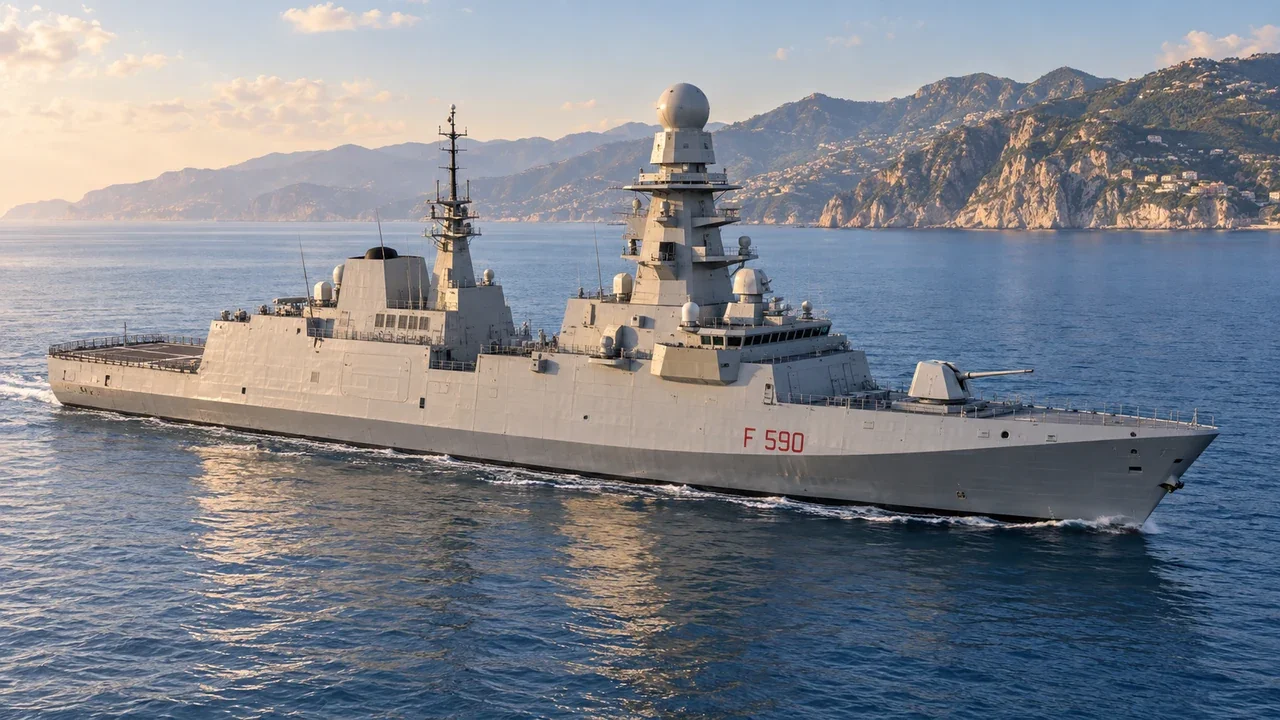
Carlo Bergamini frigate — Illustration created by MPR -
6
 Brazil
MPR score 1131
Brazil
MPR score 1131
Brazil's score reflects continental scale, manpower, regional reach, defense-industrial capacity, large territory, naval responsibilities, and strategic depth within South America.
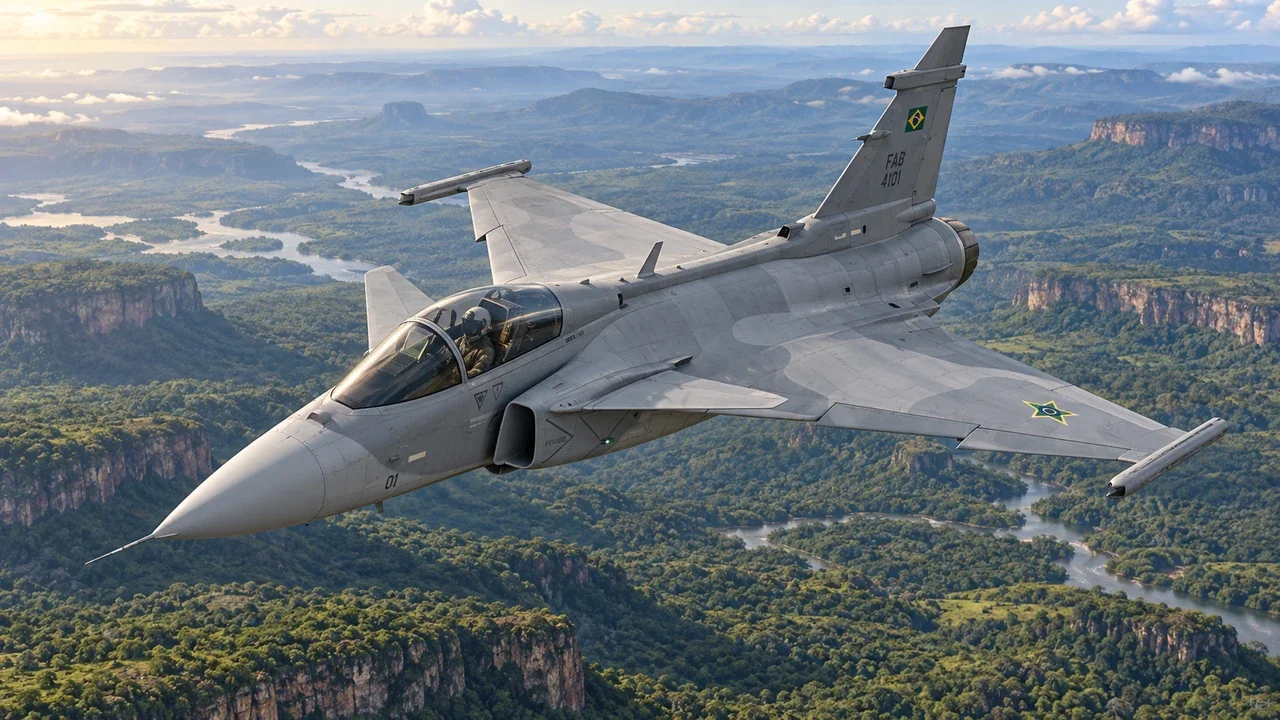
F-39E Gripen fighter — Illustration created by MPR -
7
 Egypt
MPR score 1124
Egypt
MPR score 1124
Egypt combines a large force, strategic position around the Suez Canal, major armored and air assets, naval modernization, and influence across North Africa and the Middle East.

Rafale DM fighter — Illustration created by MPR -
8
 Saudi Arabia
MPR score 1119
Saudi Arabia
MPR score 1119
Saudi Arabia's ranking is driven by advanced procurement, air power, air defense, missile concerns, energy-security geography, Gulf influence, and sustained investment in modernization.
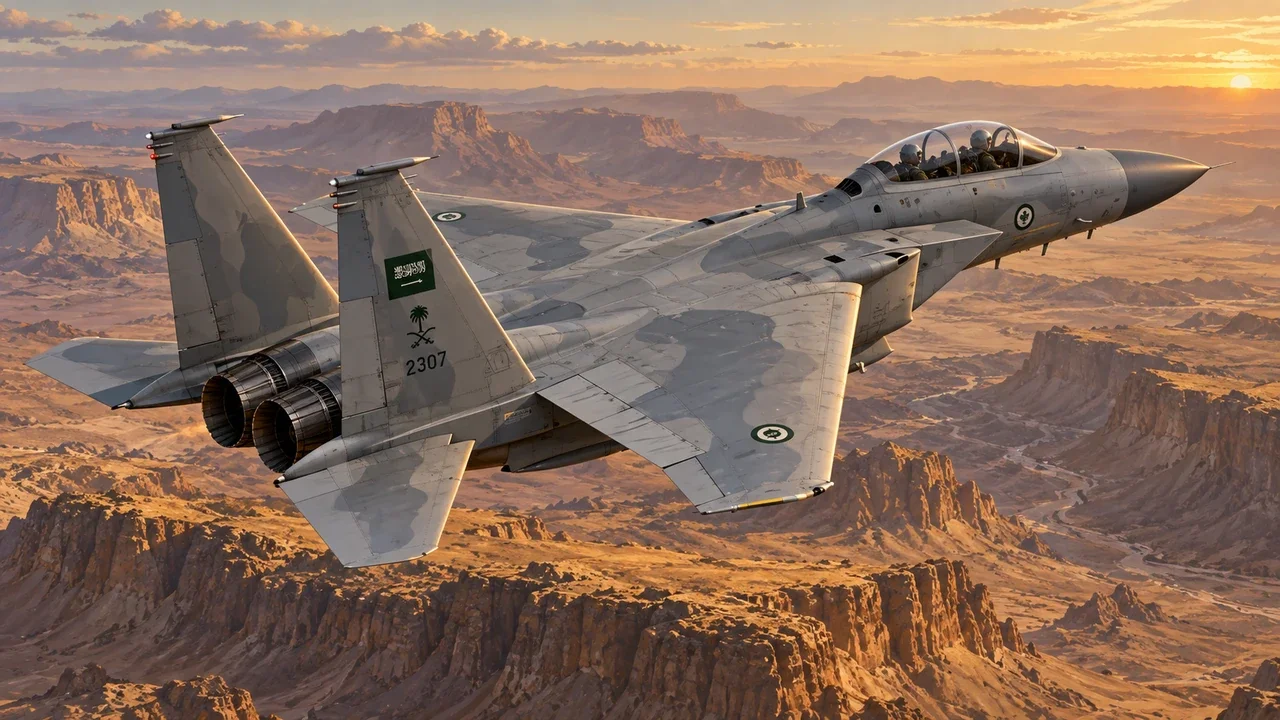
F-15SA fighter — Illustration created by MPR -
9
 Germany
MPR score 1106
Germany
MPR score 1106
Germany remains a major non-nuclear military power through industrial capacity, NATO logistics, advanced technology, European strategic position, and significant modernization potential.
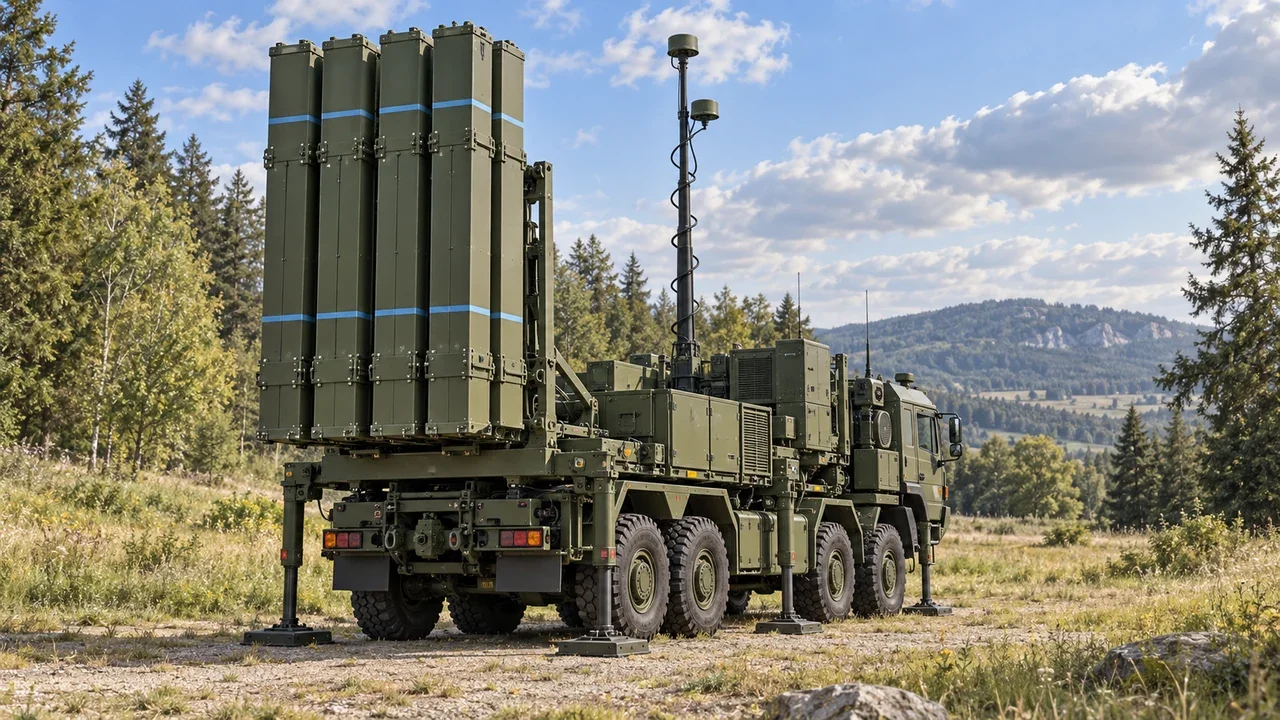
IRIS-T SLM air-defense system — Illustration created by MPR -
10
 Vietnam
MPR score 1106
Vietnam
MPR score 1106
Vietnam scores strongly through manpower, hardened defense geography, maritime pressure in the South China Sea, mobilization depth, and a security culture shaped by major-power conflict.
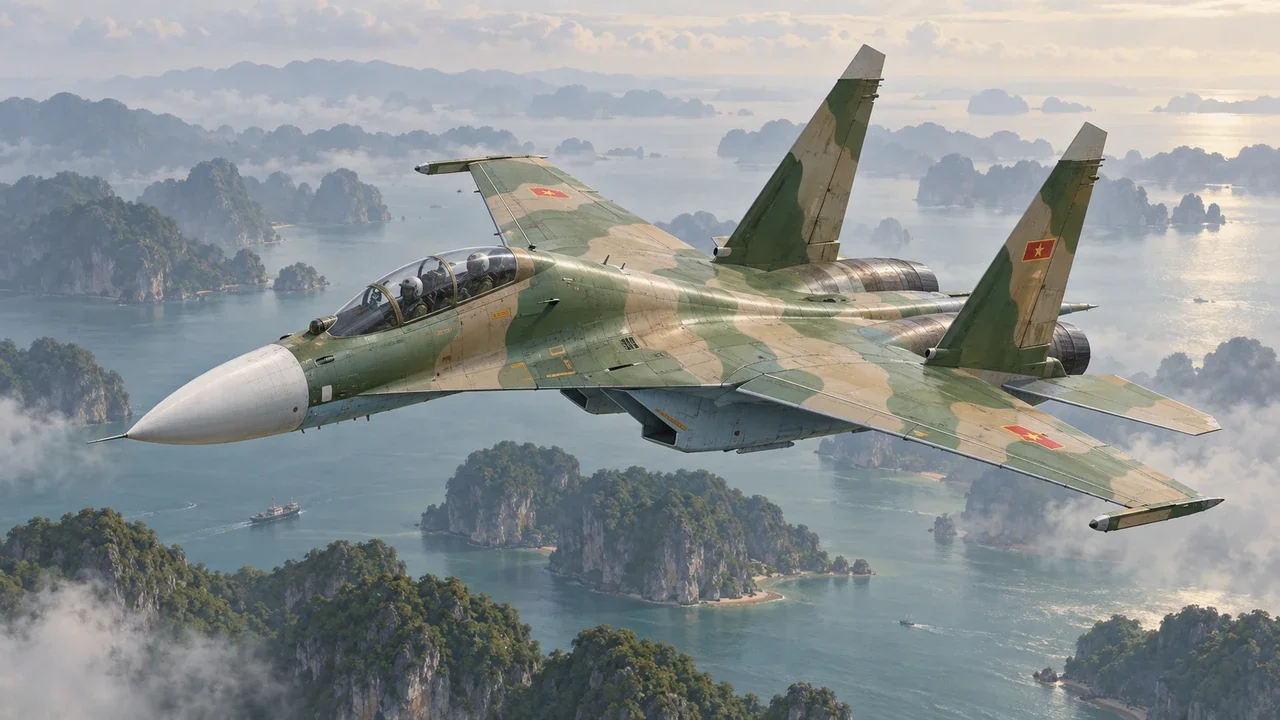
Su-30MK2 fighter — Illustration created by MPR -
11
 Indonesia
MPR score 1089
Indonesia
MPR score 1089
Indonesia rounds out the list through population scale, archipelagic geography, maritime requirements, regional position, modernization needs, and the challenge of defending a vast island chain.
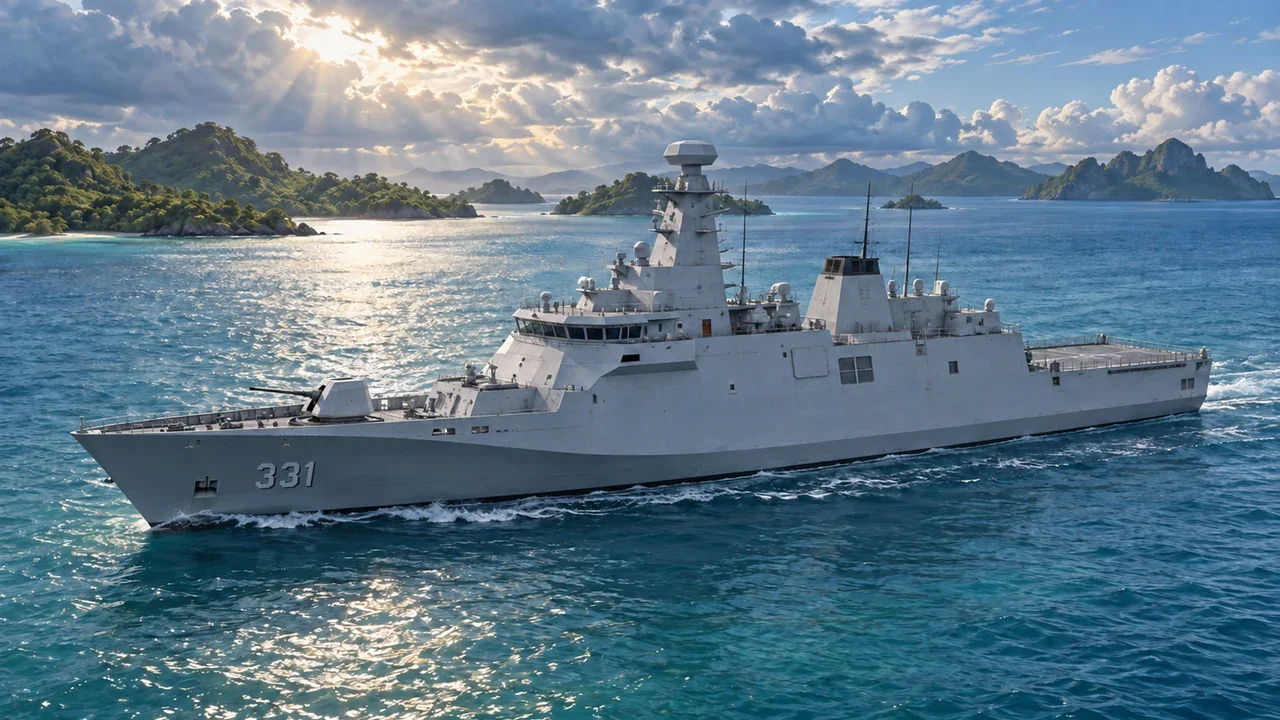
KRI Raden Eddy Martadinata frigate — Illustration created by MPR
How MPR Weighs Non-Nuclear Strength
MPR evaluates non-nuclear powers by asking how much military effect they can generate without strategic nuclear weapons. The strongest cases are usually balanced: enough manpower to mobilize, enough technology to fight modern wars, enough logistics to sustain operations, and enough geography or alliance depth to complicate an opponent's plans.
- Conventional FirepowerAir forces, naval assets, armor, artillery, drones, missiles, air defense, sensors, command systems, and trained active units.
- Readiness And MobilizationTraining tempo, reserve depth, munitions, maintenance, logistics, transport, command resilience, and national capacity to surge forces.
- Strategic GeographySea lanes, mountains, choke points, border pressure, island chains, defense depth, and proximity to major regional flashpoints.
- Industrial And Alliance SupportDomestic defense production, repair capacity, technology access, partners, basing, interoperability, and long-term modernization paths.
Source Context and Classification
This page separates non-nuclear military powers from the MPR Nuclear States list, then orders them by their overall MPR global military power rank. The same broader ranking model remains in use: conventional forces, readiness, geography, logistics, defense industry, technology, alliances, and strategic depth.